Apple Quietly Announced the HomePod Mini 2: Why This $149 Smart Speaker is Missing Spatial Audio
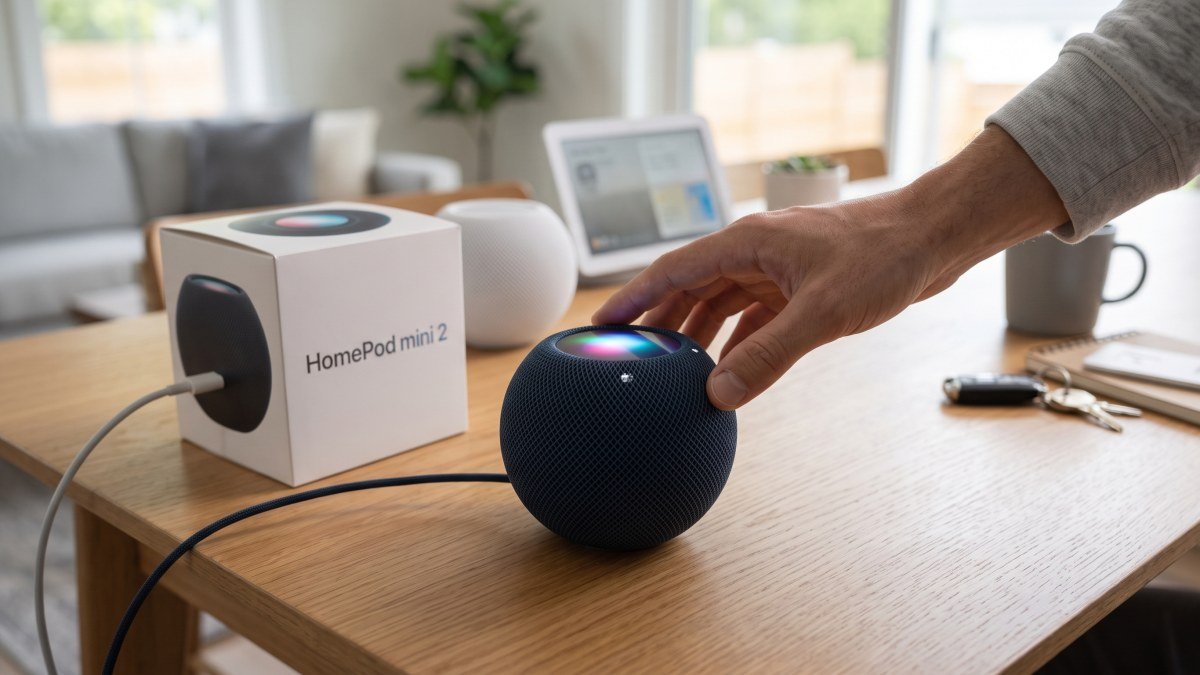
Amidst a massive fall hardware season packed with foldable iPhones and smart home displays, Apple quietly updated one of its most popular audio products. On October 13, Apple officially announced the HomePod mini 2. With pre-orders live now and an official release date of October 30, the new generation brings fresh colors, a glowing top panel, and the highly anticipated integration of Siri AI.
But the announcement has left many audiophiles and Apple loyalists scratching their heads. Apple has bumped the price tag of the HomePod mini 2 to $149—a significant jump from the original $99 launch price of its predecessor. Yet, despite the premium cost and the powerful new S10 chip, Apple explicitly states on its tech specs page that the HomePod mini 2 lacks two major features: Spatial Audio and Room Sensing.
Why would Apple release a $149 smart speaker in 2026 without its flagship audio technologies? Here is a deep dive into the hardware limitations, the Siri AI trade-off, and whether the HomePod mini 2 is actually worth the upgrade.
The $149 Price Bump: What Are You Actually Paying For?
Before addressing what is missing, it is important to understand what the extra money buys you. The HomePod mini 2 retains the familiar, spherical mesh design of the original, but the internals have received a major overhaul.
The speaker is now powered by the Apple S10 chip, which provides the necessary computational horsepower for Siri AI. When it arrives in a future software update, Siri AI will offer a profoundly more conversational assistant that understands personal context, can access information across your Apple apps, and recognizes up to six different voices in your household.
Apple also introduced "Sound Glow," a new hardware feature where the top touch panel lights up and pulses in time with your music's bass and treble. Additionally, the smart home capabilities have been expanded, allowing the device to detect smoke alarms and monitor temperature and humidity.
The Missing Link: Why No Spatial Audio?
Apple Music heavily promotes its Spatial Audio catalog, mixing tracks in Dolby Atmos to create an immersive, 3D soundstage. The full-sized Apple HomePod natively supports this, utilizing a complex array of five beamforming tweeters and a high-excursion woofer to bounce sound off your walls. It also uses Room Sensing technology to understand where it is placed in a room and adjust the acoustics accordingly.
The HomePod mini 2 completely lacks both Spatial Audio and Room Sensing.
The reason comes down to basic physics and acoustic engineering. Despite the $149 price tag, the HomePod mini 2 relies on a single full-range driver and dual force-canceling passive radiators. This compact hardware setup is fantastic for delivering 360-degree sound in a small bedroom or kitchen, but it physically cannot separate audio channels to bounce sound waves across a room.
To fake Spatial Audio using software on a single, small driver would result in a muddy, distorted mess. Apple made the correct acoustic decision to omit the feature rather than deliver a subpar Dolby Atmos experience, but for $149, the hardware limitation stings.
The Apple TV 4K Loophole
If you want immersive sound from the HomePod mini 2, there is a very expensive workaround.
While a single HomePod mini 2 cannot output Spatial Audio on its own, Apple has introduced a massive new feature for home theater enthusiasts. When paired with the newly announced Apple TV 4K (powered by the A19 chip), you can wirelessly connect up to four HomePod mini 2 speakers to create a dedicated surround sound setup.
By placing two speakers in the front of your living room and two in the back, the Apple TV 4K handles the heavy computational lifting to distribute the audio channels across the room. However, at $149 per speaker, outfitting your living room with four HomePod mini 2s will cost you nearly $600—before factoring in the $299 price of the new Apple TV.
Is the HomePod Mini 2 Worth It?
The HomePod mini 2 is a classic example of paying the "Apple Ecosystem Tax." At $149, there are significantly better-sounding standalone speakers on the market. However, none of those competitors offer seamless integration with Siri AI, Intercom features, or act as a secure Matter hub for your Apple Home setup.
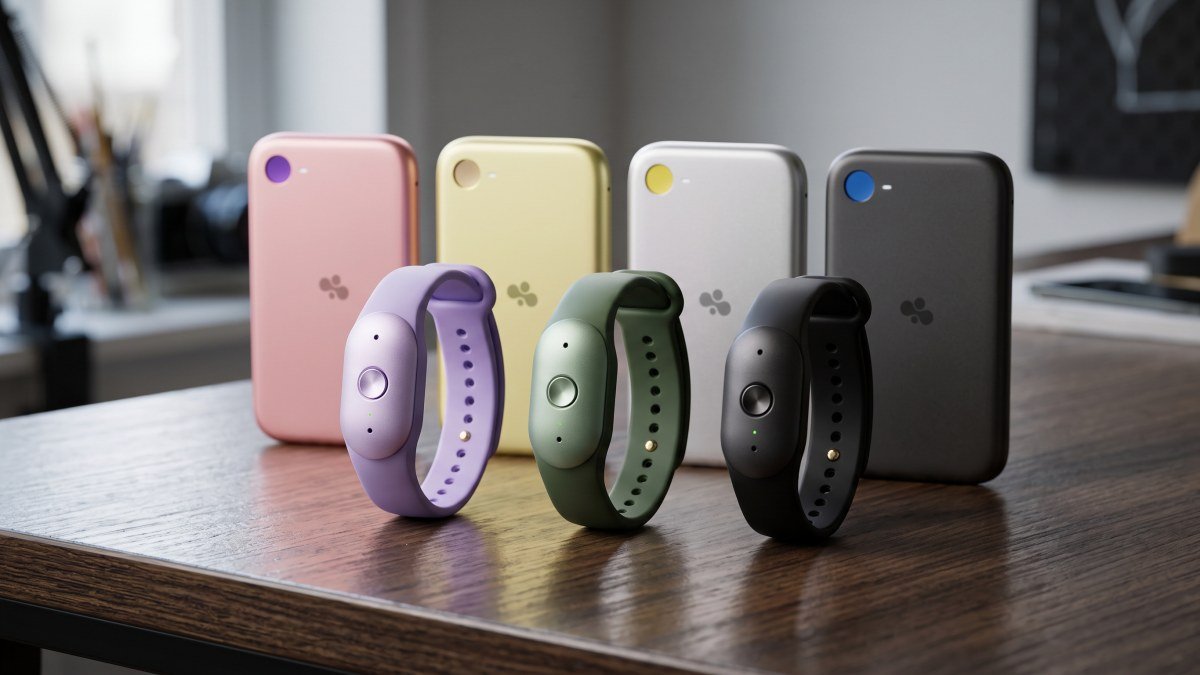
If you care deeply about pristine Spatial Audio and Room Sensing, you need to save up for the full-sized HomePod. But if you want a colorful, capable, AI-driven smart speaker for your nightstand or kitchen, the HomePod mini 2 remains the best—albeit expensive—entry point into Apple's audio world. The new device is available in pink, green, blue, white, and midnight, and hits shelves on October 30.
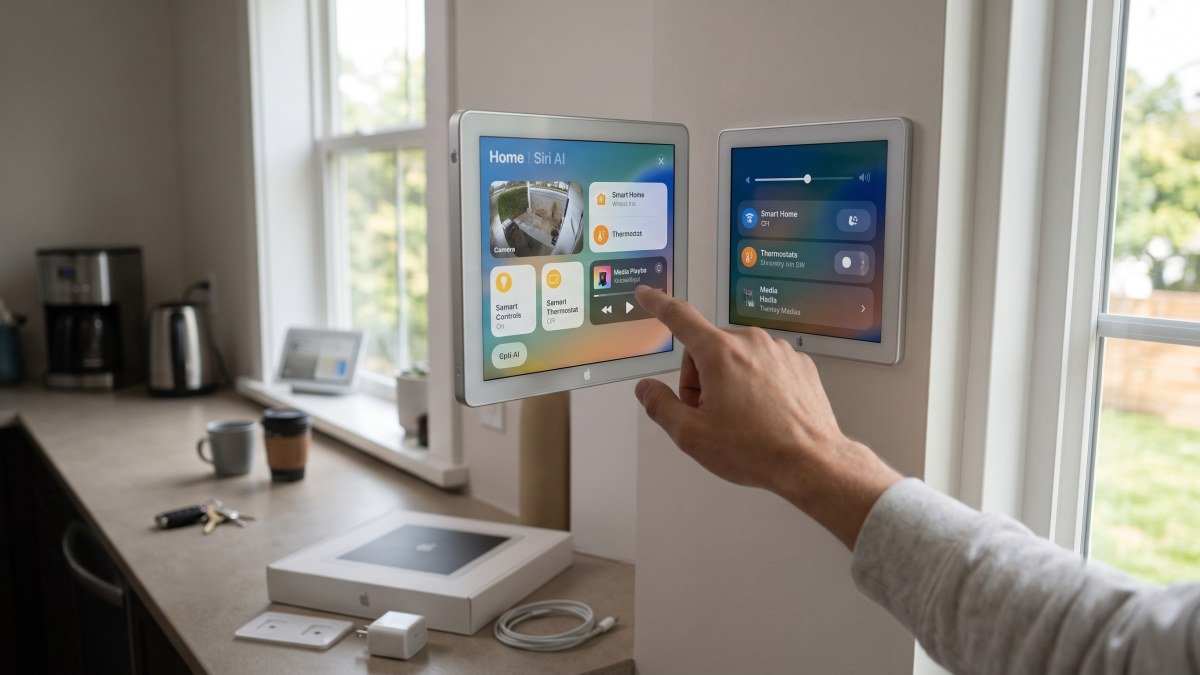
For more deep dives into Apple's latest smart home strategy, including their new $299 HomeView smart display, bookmark the DevDuniya tech blogs!