iPhone 19 Pro Display Leaks: The Pros and Cons of Apple’s Rumored Quad-Curved Screen
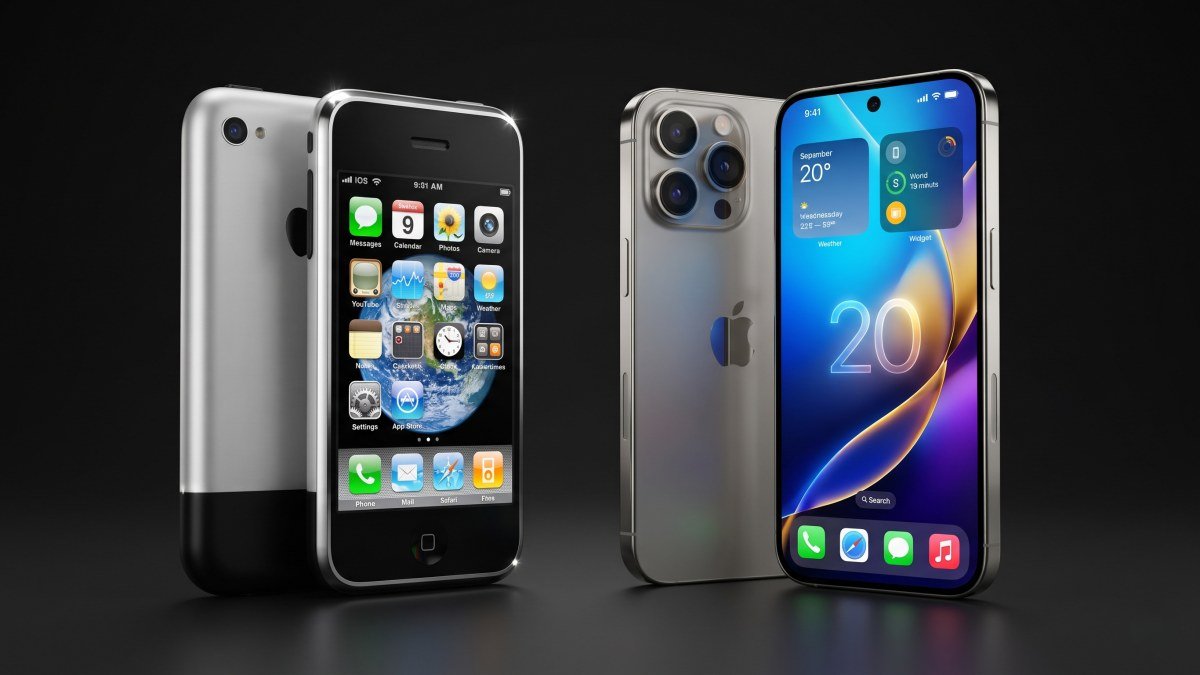
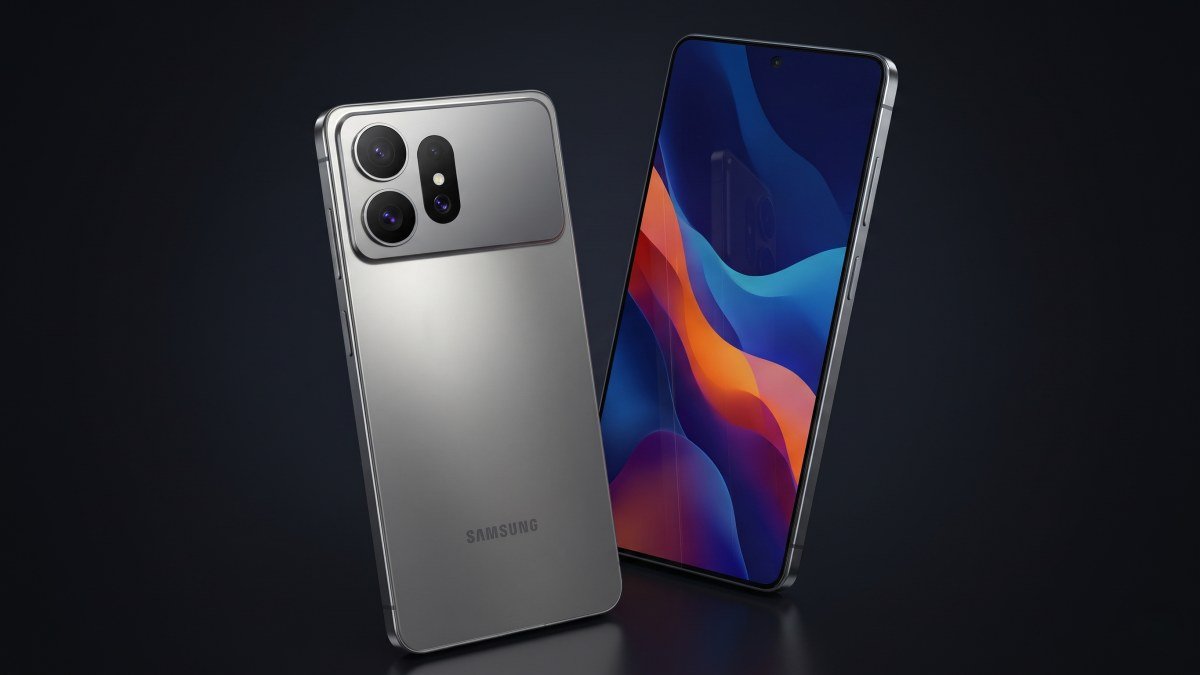
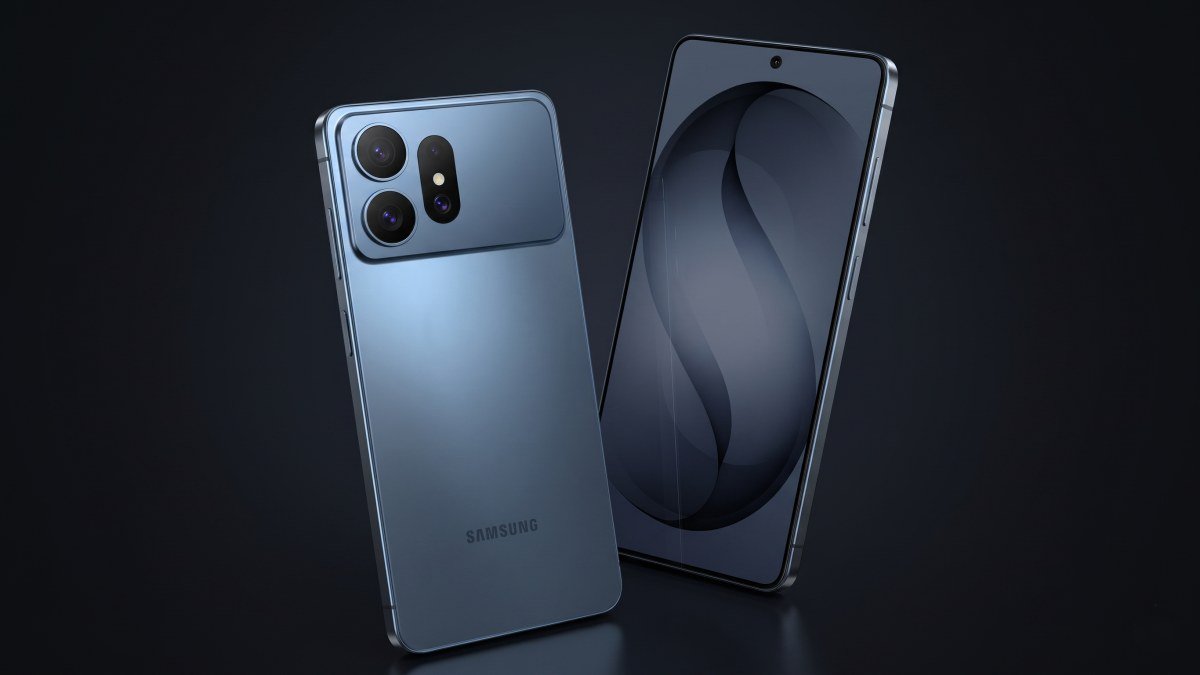
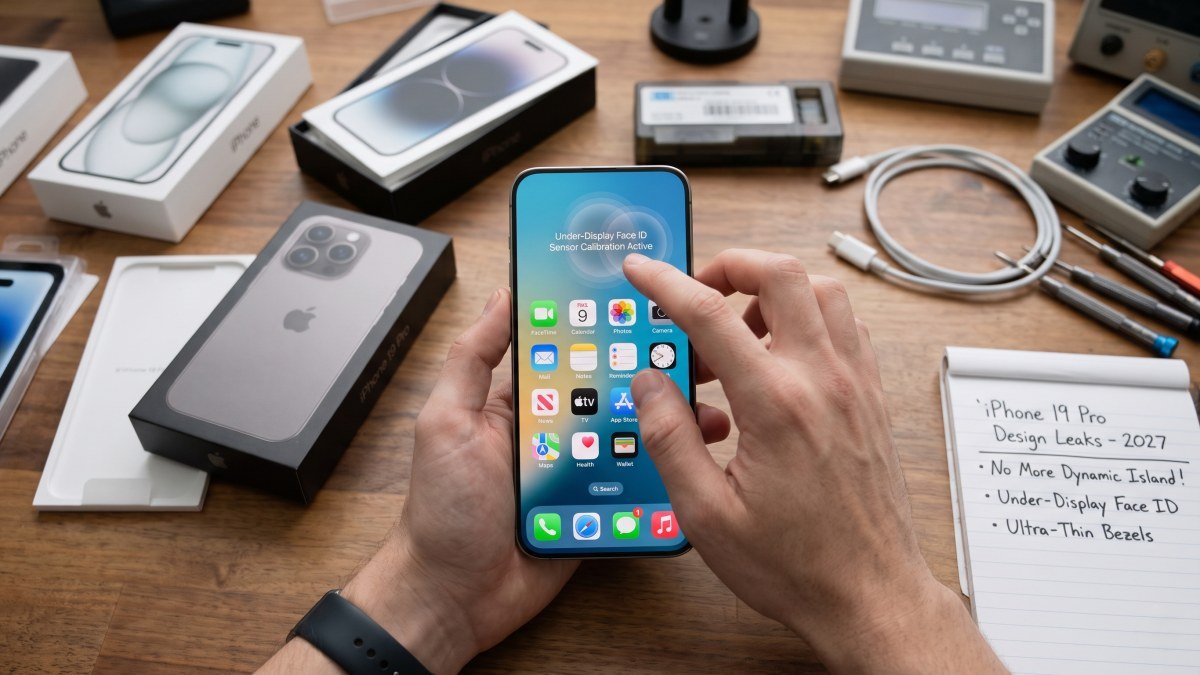
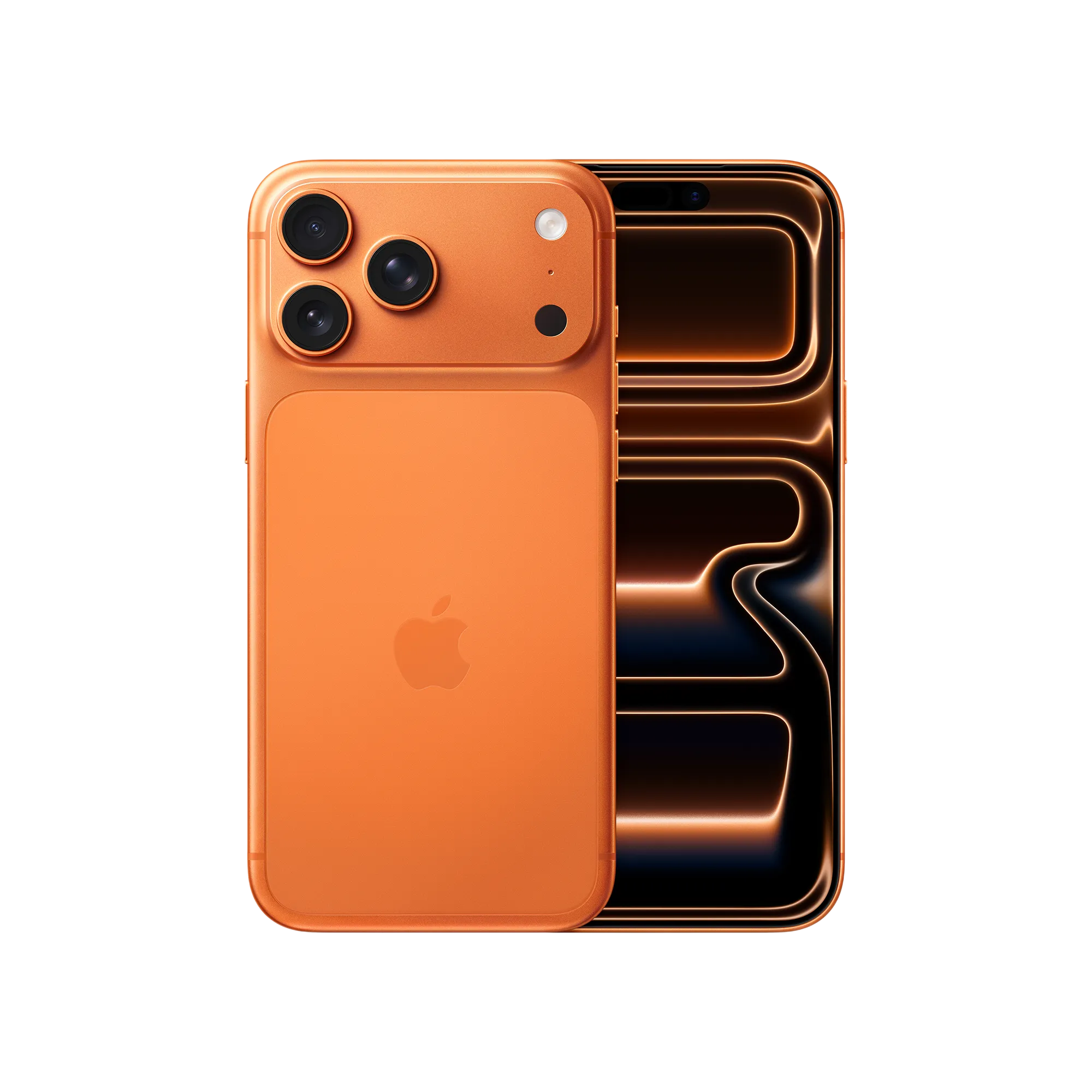
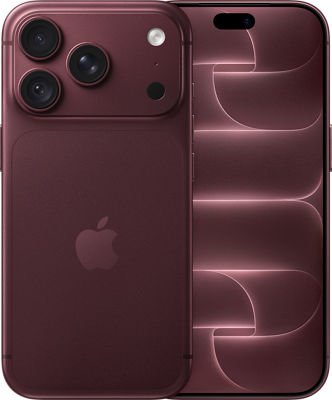
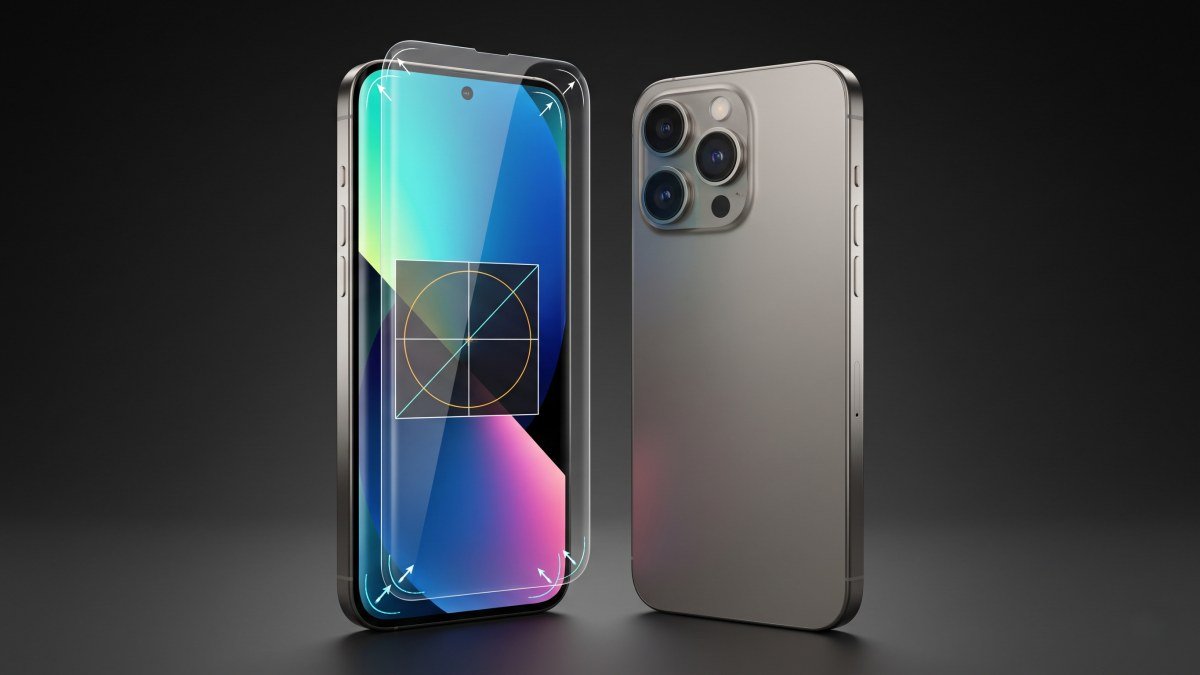
Apple users have grown used to flat, sharp-edged displays that feel precise and predictable. That makes the latest iPhone 19 Pro display leaks especially polarizing. Multiple reports from supply-chain sources and leakers describe prototypes of the 2027 Pro models testing a “quad-curved” OLED panel—a screen that gently curves on all four sides so the glass blends almost seamlessly into the frame [cite: 1.1.1]. The goal is a nearly bezel-less look that feels more like a continuous sheet of glass than a traditional phone [cite: 1.1.4].
The idea sounds futuristic, especially when paired with rumored under-display Face ID, leaving only a small hole-punch for the front camera [cite: 1.1.3]. But it also raises immediate practical questions that matter in daily use: Will the curves make the phone more fragile? Will accidental touches become annoying? And what happens to screen protectors? Here is a clear look at the trade-offs based on the current leaks, addressing those exact concerns.
The Practical Concerns That Worry People Most
Before getting lost in the aesthetics, we have to look at how an iPhone 19 quad-curved screen affects the day-to-day usability and longevity of the device.
1. Durability and Drop Resistance
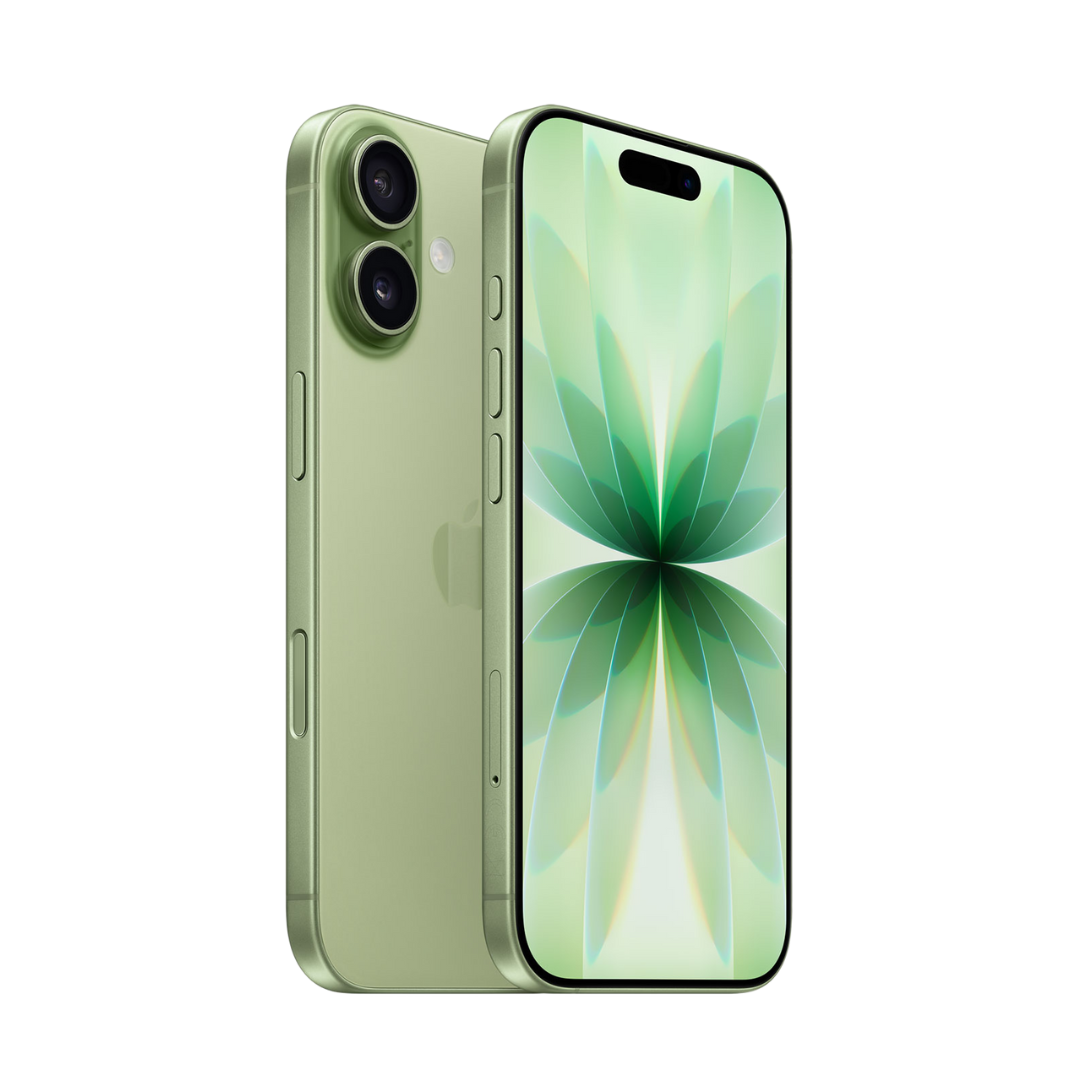
Curved glass has historically been more vulnerable at the edges. Flat screens with raised lips or protective frames often survive better because the flat surface takes the hit more evenly. A quad-curved panel puts more of the glass closer to the impact zone on side or corner drops. Apple’s Ceramic Shield technology has improved toughness over the years, but any curve introduces new physical stress points. Users who drop phones frequently or work in rough environments may prefer the proven reliability of the current flat design found on devices like the iPhone 18 Pro.
2. Accidental Touches
This is one of the biggest real-world complaints with curved displays [cite: 1.1.5]. Palm edges and fingers resting near the sides can trigger unintended inputs, especially during typing, gaming, or one-handed use. Software solutions like palm rejection algorithms help, but they are never perfect. Apple users who value precise, predictable touch interactions may find the learning curve frustrating at first. The more subtle the curve, the less severe this should be—but it remains a common criticism of the form factor.
3. Screen Protector Headaches
This is where many buyers get stuck, leading to widespread searches about iPhone 19 Pro screen protector issues. Standard flat tempered-glass protectors do not sit properly on multi-curved screens [cite: 1.1.5]. Full-coverage options either leave air gaps, peel at the edges, or require liquid/UV-cured films that are messier to apply and harder to replace. Privacy or matte protectors become far more limited. Many people who currently rely on a simple glass protector for peace of mind will face higher costs, more frequent replacements, or the choice of going without one. Case compatibility also gets trickier because the case has to accommodate the continuous curve without lifting the screen protector or creating pressure points.
What “Quad-Curved” Actually Means
Unlike the aggressive side-only curves popular on some older Android phones, the rumored iPhone approach is described as subtle and equal-depth [cite: 1.1.5]. The glass bends gently on the left, right, top, and bottom edges [cite: 1.1.8]. From most viewing angles, the bezels nearly disappear, creating a more immersive front. Leakers suggest this is part of Apple’s longer push toward an all-screen design timed around the iPhone’s 20th anniversary in 2027 [cite: 1.1.9].
Prototypes reportedly keep a small camera cutout while moving Face ID under the panel [cite: 1.1.4]. The curvature is meant to feel premium without the extreme “waterfall” edges that distort content or feel overly slippery. By utilizing Color Filter on Encapsulation (COE) technology, the display can reportedly run thinner and brighter while sidestepping the color-shift artifacts that plagued early Android curved screens [cite: 1.1.5].
Flat vs. Quad-Curved: The Real-World Trade-Offs
To summarize how the rumored display will change the user experience, here is a breakdown of the pros and cons:
| Feature Focus | Current Flat Displays | Rumored Quad-Curved Display |
|---|---|---|
| Visual Immersion | Visible black bezels | Nearly bezel-less edge-to-edge look |
| Screen Protectors | Cheap, easy to apply flat glass | Requires expensive UV/liquid or film options |
| Accidental Touches | Rare, physical frame blocks palm | Higher risk, relies on software rejection |
| Drop Durability | Frame absorbs side impacts | Glass edges exposed to side impacts |
| In-Hand Feel | Sharp, predictable grip | Smooth, continuous, potentially slippery |
Swipe sideways to see all table columns →
- Current Flat Displays
- Visible black bezels
- Rumored Quad-Curved Display
- Nearly bezel-less edge-to-edge look
- Current Flat Displays
- Cheap, easy to apply flat glass
- Rumored Quad-Curved Display
- Requires expensive UV/liquid or film options
- Current Flat Displays
- Rare, physical frame blocks palm
- Rumored Quad-Curved Display
- Higher risk, relies on software rejection
- Current Flat Displays
- Frame absorbs side impacts
- Rumored Quad-Curved Display
- Glass edges exposed to side impacts
- Current Flat Displays
- Sharp, predictable grip
- Rumored Quad-Curved Display
- Smooth, continuous, potentially slippery
Balancing the Aesthetic Upsides
Despite the functional concerns, a well-executed quad-curved screen could deliver a cleaner visual experience. Content appears to flow closer to the edges, which many people find more modern and immersive for video, photos, and full-screen apps. The continuous glass surface can also feel more refined in the hand once you get used to it.
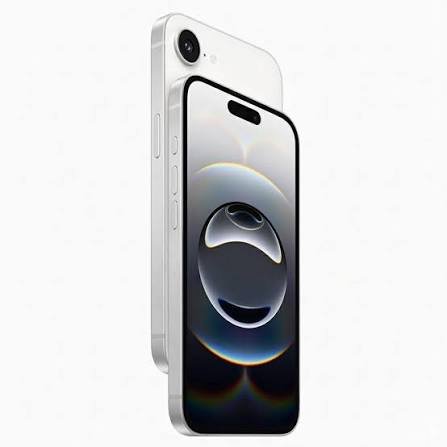
Some engineering arguments suggest curved edges can help with impact distribution in certain specific drops, though real-world results always depend on the glass formula and frame design. Combined with titanium framing (expected to continue), the overall package aims for a high-end, almost jewel-like appearance that differentiates the Pro models from thinner devices like the upcoming iPhone Air 2.
If the leaks prove accurate, the 2027 Pro models would mark the most significant front-of-phone redesign since the iPhone X [cite: 1.1.5]. The visual payoff could be striking. The practical compromises around durability, accidental inputs, and screen protection are the reasons many longtime iPhone owners are watching the rumors with cautious interest rather than pure excitement.
Nothing is official yet. Prototypes change, and Apple has delayed ambitious display features before when quality did not meet its strict standards. Still, the consistent reporting around a subtle four-sided curve makes it one of the more credible big design shifts on the horizon. For now, the conversation is less about whether the screen will look impressive and more about whether the everyday experience will feel as reliable as the flat panels Apple users currently trust.