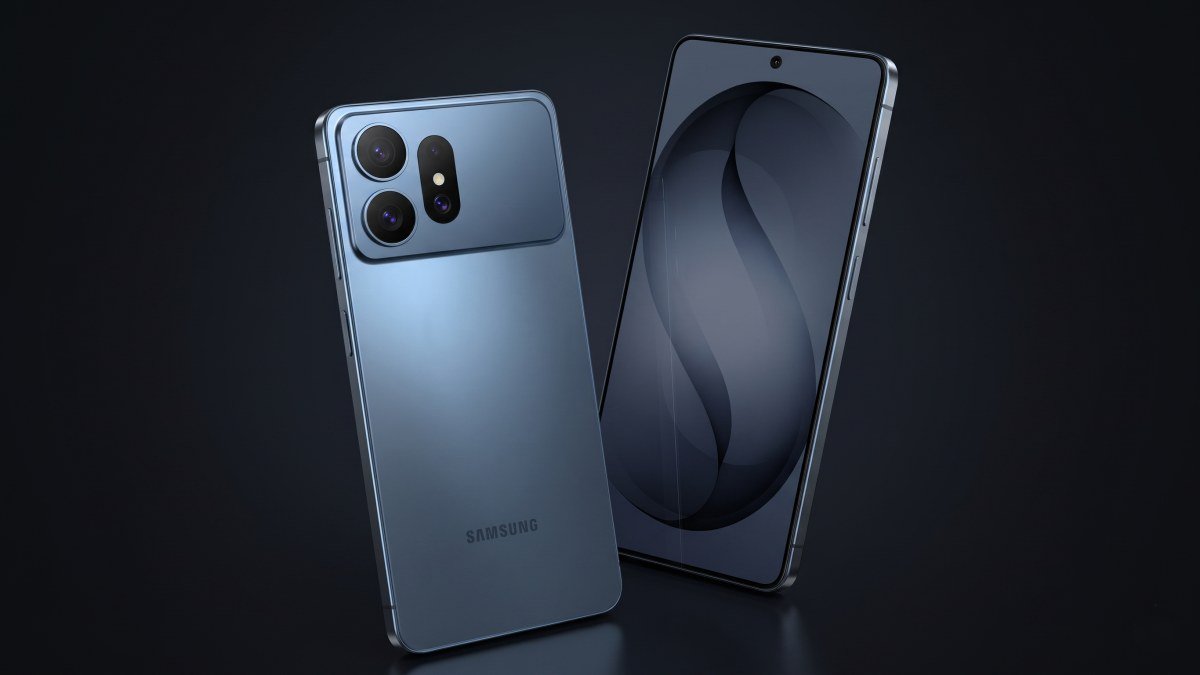
Galaxy S27 Ultra Display Upgrades: The M16 OLED Panel and Secret 'Privacy Mode'
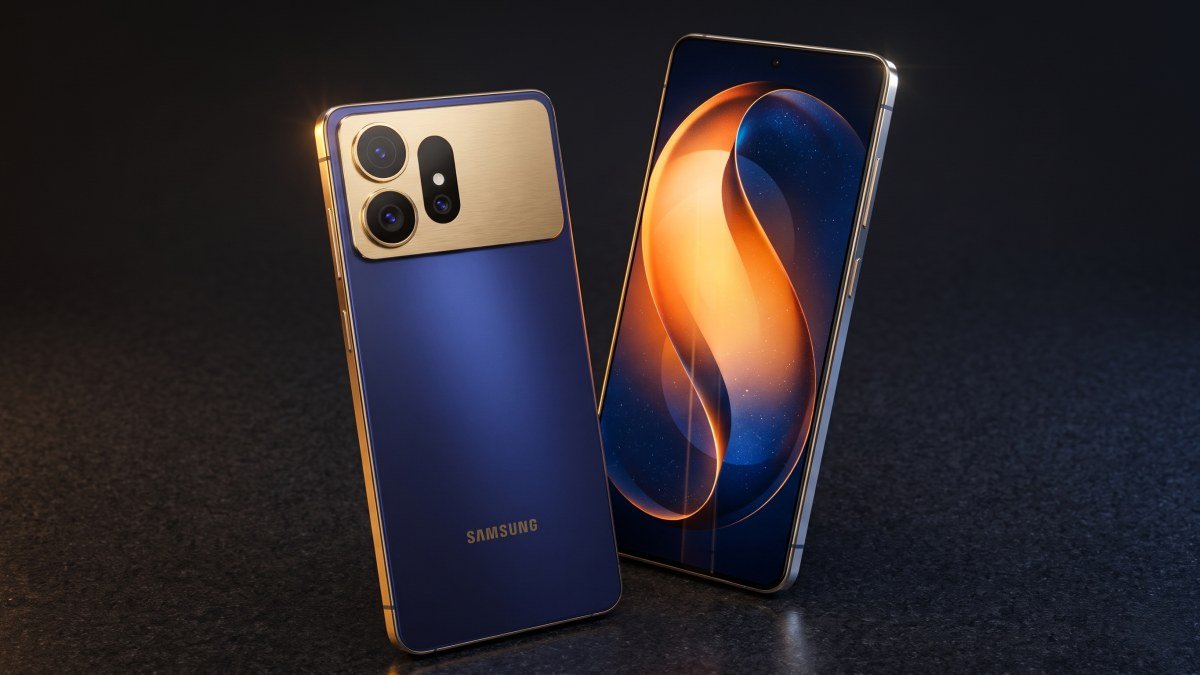
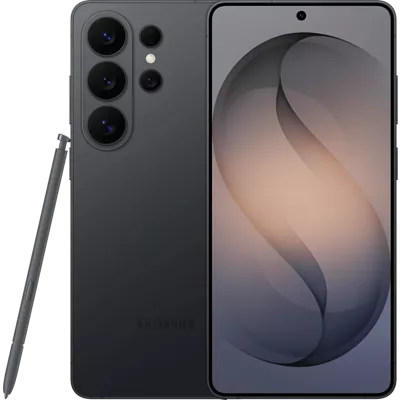
While processor architectures and telephoto camera lenses often dominate the early smartphone rumor cycle, the display remains the single most important component of any mobile device. It is the literal lens through which you interact with your digital life all day. For the upcoming 2027 flagship war, Samsung is preparing a visual revolution that prioritizes real-world usability over spec-sheet gimmicks. According to the newest supply chain leaks, the Samsung Galaxy S27 Ultra will debut with a groundbreaking M16 OLED panel, featuring an unannounced, hardware-level "Privacy Display Mode" designed to eliminate shoulder-surfing.
If you regularly view sensitive banking information on a crowded morning commute, or if you simply value your digital privacy, this display upgrade is a monumental selling point. Here is a comprehensive deep dive into the Galaxy S27 Ultra M16 OLED display leaks, how the new Privacy Mode technology functions at a microscopic level, and why Samsung is making controversial trade-offs regarding peak brightness.
The M16 OLED Generational Leap
To understand the significance of the M16 designation, you have to look at how Samsung Display categorizes its organic light-emitting diode materials. The chemical mix used to create the glowing pixels is updated every few years. The standard Galaxy S27 and S27+ are expected to use the older M14 material set, but Samsung is reserving the cutting-edge M16 OLED panels exclusively for the Galaxy S27 Ultra and the newly rumored Galaxy S27 Pro.
The primary advantage of the M16 generation is power efficiency. The new organic chemical mix is engineered to produce more light while drawing significantly less voltage from the motherboard. According to industry reports, the M16 panel will consume up to 30 percent less power than the older M14 displays. When you pair this ultra-efficient screen with the massive 5,700mAh battery confirmed in recent 3C certification filings, the Galaxy S27 Ultra is on track to deliver unprecedented, multi-day battery life, even when navigating with GPS on maximum brightness.
Furthermore, Samsung is utilizing "Color Filter on Encapsulation" (COE) technology. By removing the traditional polarizer layer within the display stack, more light can travel directly to your eyes without being absorbed by internal glass elements, resulting in purer color reproduction and better viewing clarity in direct sunlight.
Privacy Display v2: Shielding Your Data
The most intriguing feature of the M16 panel is the evolution of Samsung's hardware-based privacy filter. Built on Samsung Display's proprietary Flex Magic Pixel technology, this system physically restricts off-axis viewing angles, making the screen appear entirely black to anyone sitting beside you.
While the previous generation Galaxy S26 Ultra introduced the first iteration of this Privacy Display, it came with a severe flaw: activating the feature softened the screen, significantly reducing sharpness and image fidelity even for the person looking straight at the device. It was a functional security tool, but it compromised the premium viewing experience.
According to prominent supply chain tipster Sawyergalox, the Galaxy S27 Ultra will feature "Privacy Display v2". This second-generation technology is engineered to completely resolve the previous drawbacks. It promises higher resolution while active, vastly clearer overall image quality, and optimized viewing angles for the primary user. The improvements are reportedly so significant that users will be able to leave the privacy filter permanently engaged without suffering any degradation in everyday visual performance.
Additionally, advanced software leaks suggest dynamic split-screen integration. This means you could theoretically run a protected banking app on the top half of your screen (invisible to onlookers) while playing a YouTube video on the bottom half that remains fully visible from all angles. The privacy region would dynamically follow the app boundary as you adjust the split-screen divider, providing seamless multitasking security.
The Brightness Trade-Off: Why It Won't Hit 10,000 Nits
In the highly competitive smartphone market, manufacturers love to boast about peak brightness. The M16 OLED material is technically capable of reaching a staggering 10,000 nits of peak brightness and a 165Hz refresh rate, as demonstrated by the upcoming iQOO 16 smartphone. However, S27 Ultra screen specs rumors indicate that Samsung's flagship will fall well short of those numbers.
The limitation is not a defect; it is a calculated engineering trade-off. The microscopic pixel walls required to physically block off-axis light for the Privacy Display naturally reduce the maximum amount of light that can escape the panel. Internal lab tests on older models showed that activating the privacy feature could cut overall brightness by nearly half.
Instead of chasing a meaningless 10,000-nit spec that drains the battery in minutes, Samsung is choosing to prioritize practical security and sustained color accuracy. While it will still be incredibly bright and perfectly legible outdoors, buyers expecting the absolute brightest screen on the market must understand that Samsung is actively sacrificing peak nits to deliver the ultimate private viewing experience.
Spec Showdown: The Display Evolution
To help you visualize exactly how much the Samsung S27 Ultra privacy mode and display hardware are evolving, here is a direct comparison between the leaked specifications of the upcoming device and its predecessor:
| Display Feature | Galaxy S26 Ultra (Previous Gen) | Galaxy S27 Ultra (Leaked M16) |
|---|---|---|
| OLED Material Set | M13 / M14 Generation | Next-Gen M16 OLED |
| Privacy Technology | Privacy Display v1 (Softens image) | Privacy Display v2 (No quality loss) |
| Power Efficiency | Standard LTPO Baseline | Up to 30% less power consumption |
| Refresh Rate | 1Hz to 120Hz Variable | 1Hz to 120Hz Variable (Skips 165Hz) |
| Display Stack | Standard Polarizer | Color Filter on Encapsulation (COE) |
Swipe sideways to see all table columns →
- Galaxy S26 Ultra (Previous Gen)
- M13 / M14 Generation
- Galaxy S27 Ultra (Leaked M16)
- Next-Gen M16 OLED
- Galaxy S26 Ultra (Previous Gen)
- Privacy Display v1 (Softens image)
- Galaxy S27 Ultra (Leaked M16)
- Privacy Display v2 (No quality loss)
- Galaxy S26 Ultra (Previous Gen)
- Standard LTPO Baseline
- Galaxy S27 Ultra (Leaked M16)
- Up to 30% less power consumption
- Galaxy S26 Ultra (Previous Gen)
- 1Hz to 120Hz Variable
- Galaxy S27 Ultra (Leaked M16)
- 1Hz to 120Hz Variable (Skips 165Hz)
- Galaxy S26 Ultra (Previous Gen)
- Standard Polarizer
- Galaxy S27 Ultra (Leaked M16)
- Color Filter on Encapsulation (COE)
Expected Price and Final Verdict
The Galaxy S27 Ultra is shaping up to be an absolute powerhouse designed for serious professionals. By rejecting the spec-sheet race for 10,000 nits and instead investing in the ultra-efficient M16 panel and hardware-level privacy, Samsung is catering directly to business users, frequent travelers, and privacy advocates.
However, this bleeding-edge display technology will not come cheap. The Galaxy S27 Ultra, alongside the new Galaxy S27 Pro, is expected to launch in February 2027 running the new Android 17-based One UI 9.5. Retail estimates currently position the starting price between $1,400 and $1,500 in the US market.
To keep the price from ballooning even higher, Samsung has reportedly made compromises in other areas of the motherboard. Be sure to read our extensive report on the Galaxy S27 Ultra memory cost-cutting leaks to understand the full hardware picture. If you are deeply invested in the Android ecosystem and value your data privacy above all else, the S27 Ultra's display will undoubtedly be the gold standard when it hits shelves early next year.