The 20th Anniversary iPhone: Why the iPhone 19 Pro Will Be Apple's Biggest Redesign Since the iPhone X
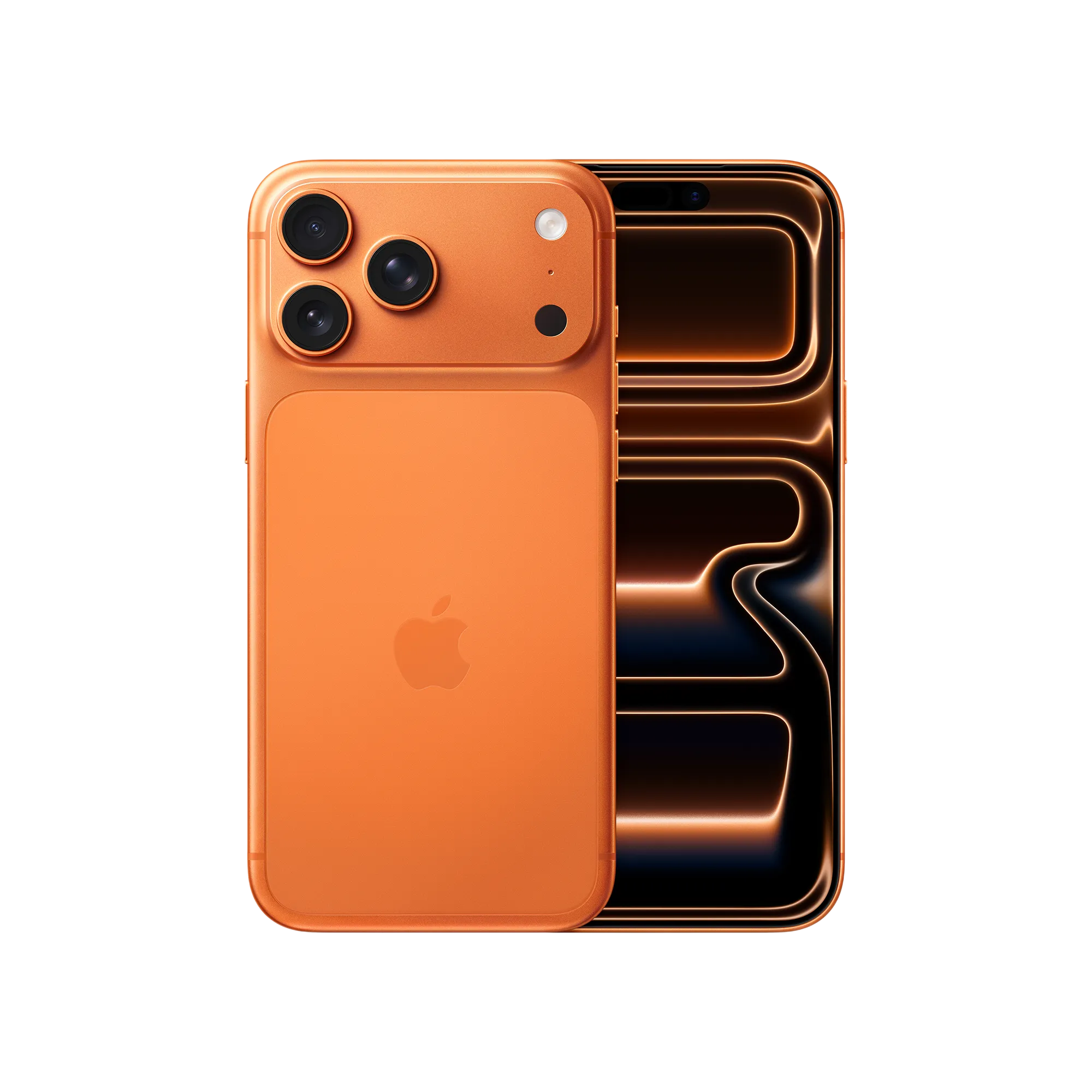
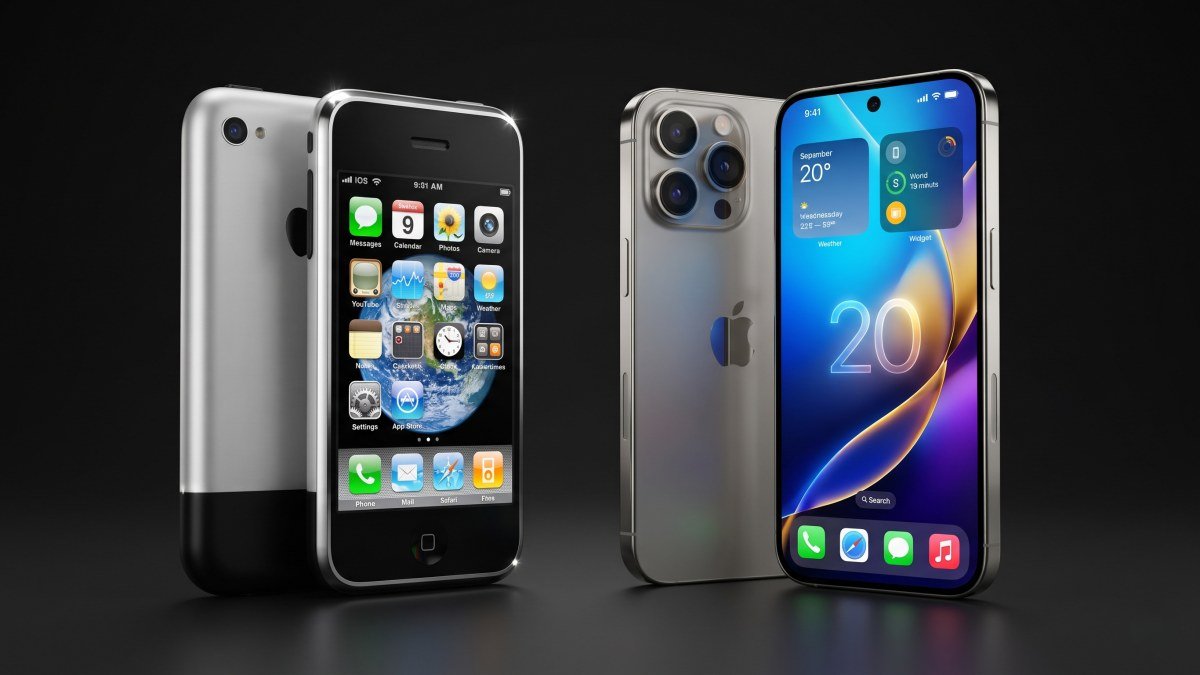
In 2017, Apple marked the iPhone’s 10th anniversary with the iPhone X—a groundbreaking device that retired the Home button, introduced Face ID, and shifted the entire smartphone industry toward edge-to-edge displays. Ten years later, 2027 brings the 20th anniversary of the original 2007 iPhone. Supply chain leaks strongly suggest Apple is preparing a similarly landmark iPhone 19 Pro redesign for the Pro models that year, frequently referred to in insider circles as the iPhone 19 Pro 20th anniversary edition.
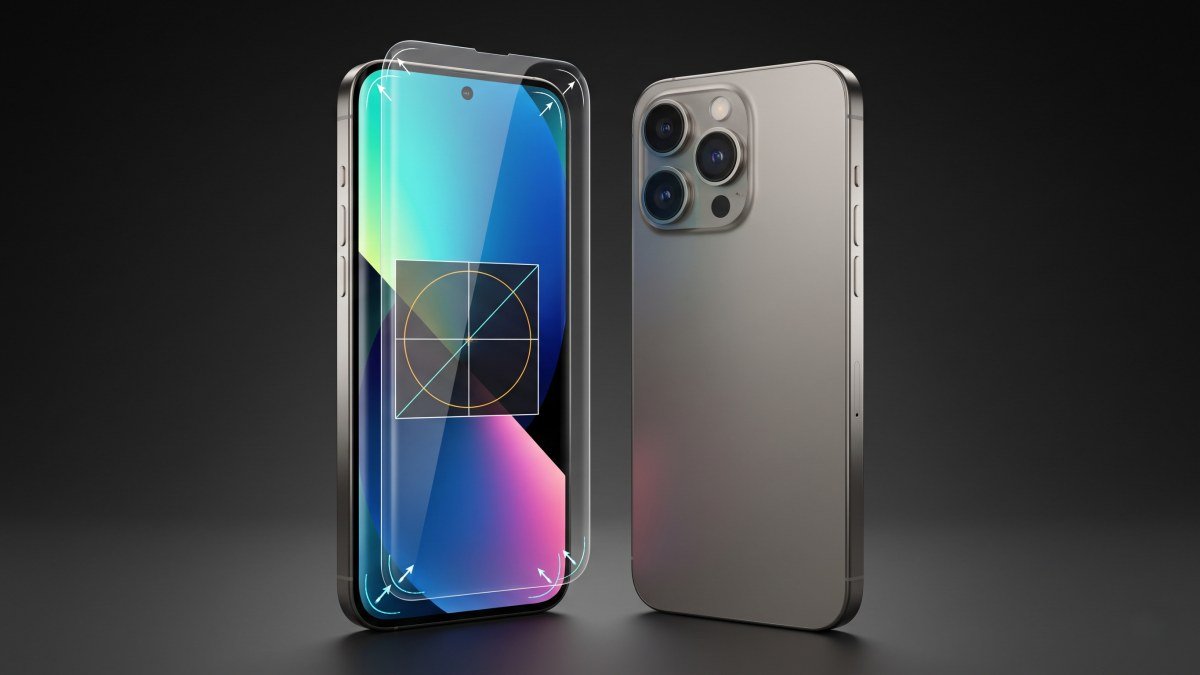
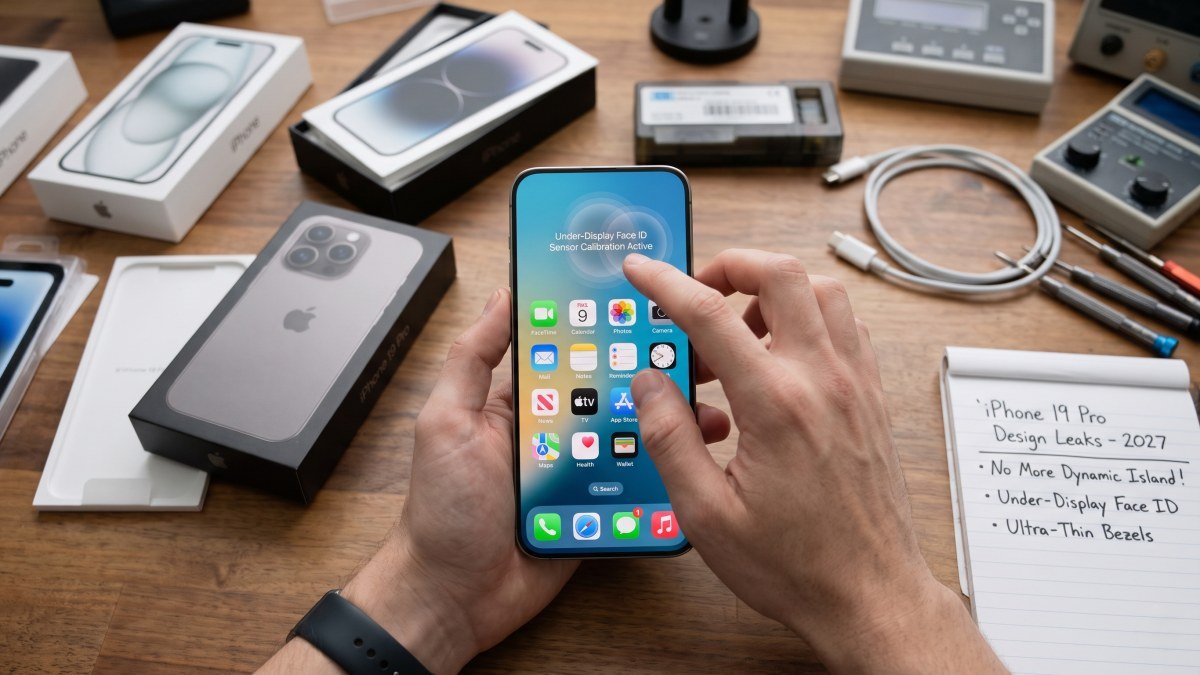
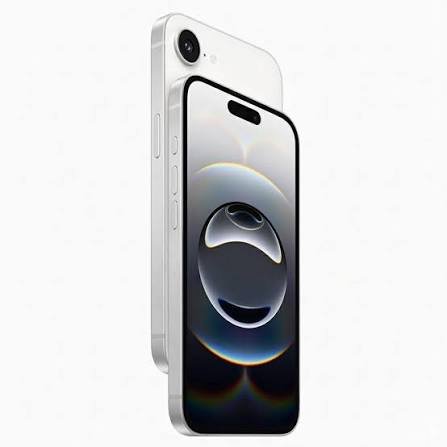
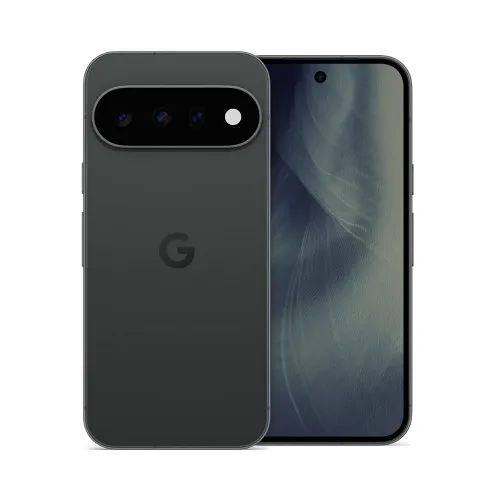
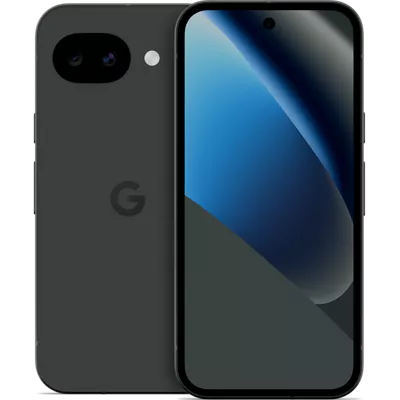
The core of the rumored change is a drastically cleaner front face: the permanent departure from the Dynamic Island in favor of a single hole-punch camera cutout, combined with under-display Face ID technology. If accurate, this would represent the most significant visual and functional update to the iPhone’s front design in an entire decade.
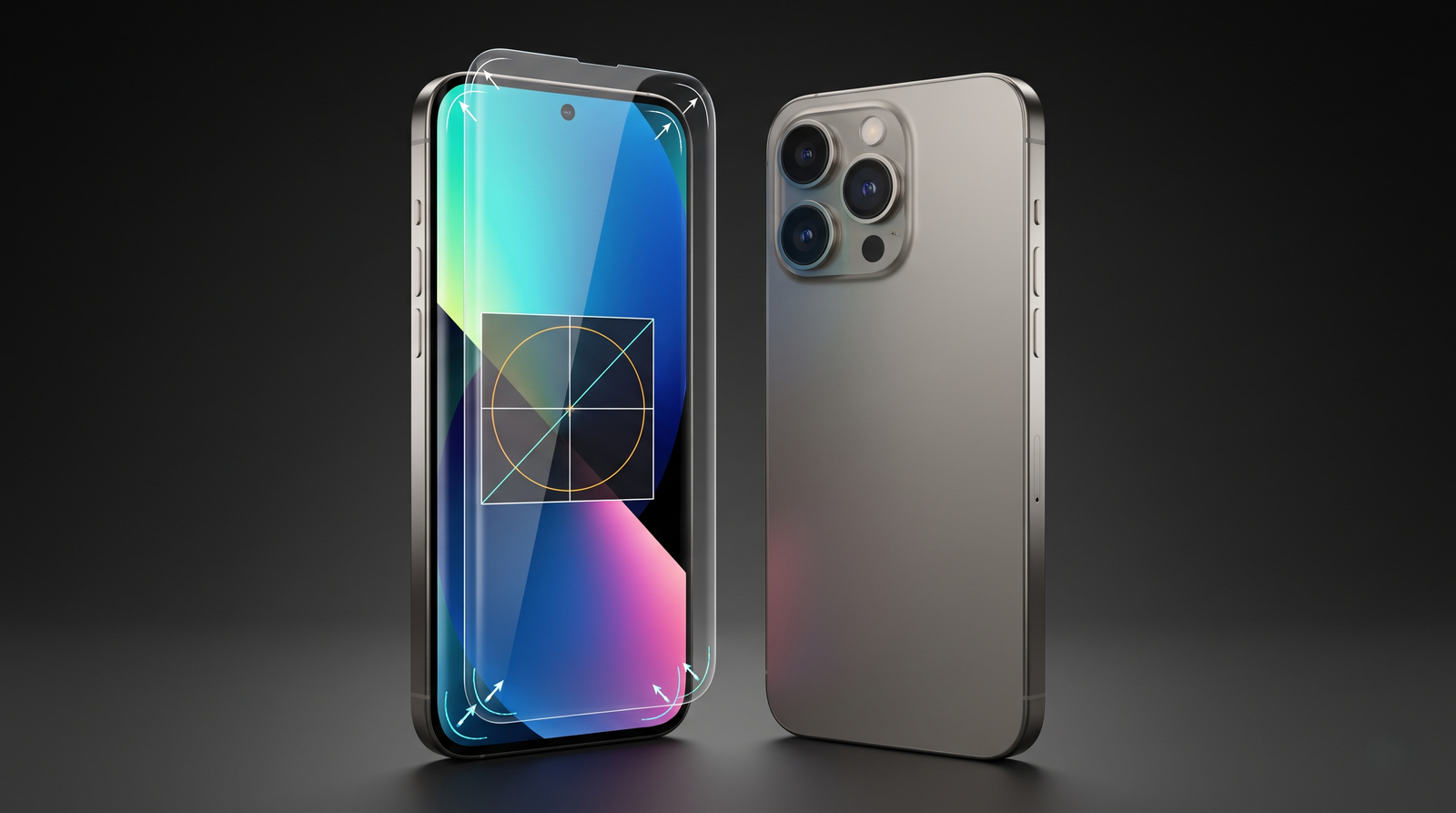
From Dynamic Island to Hole-Punch: Closing the Circle
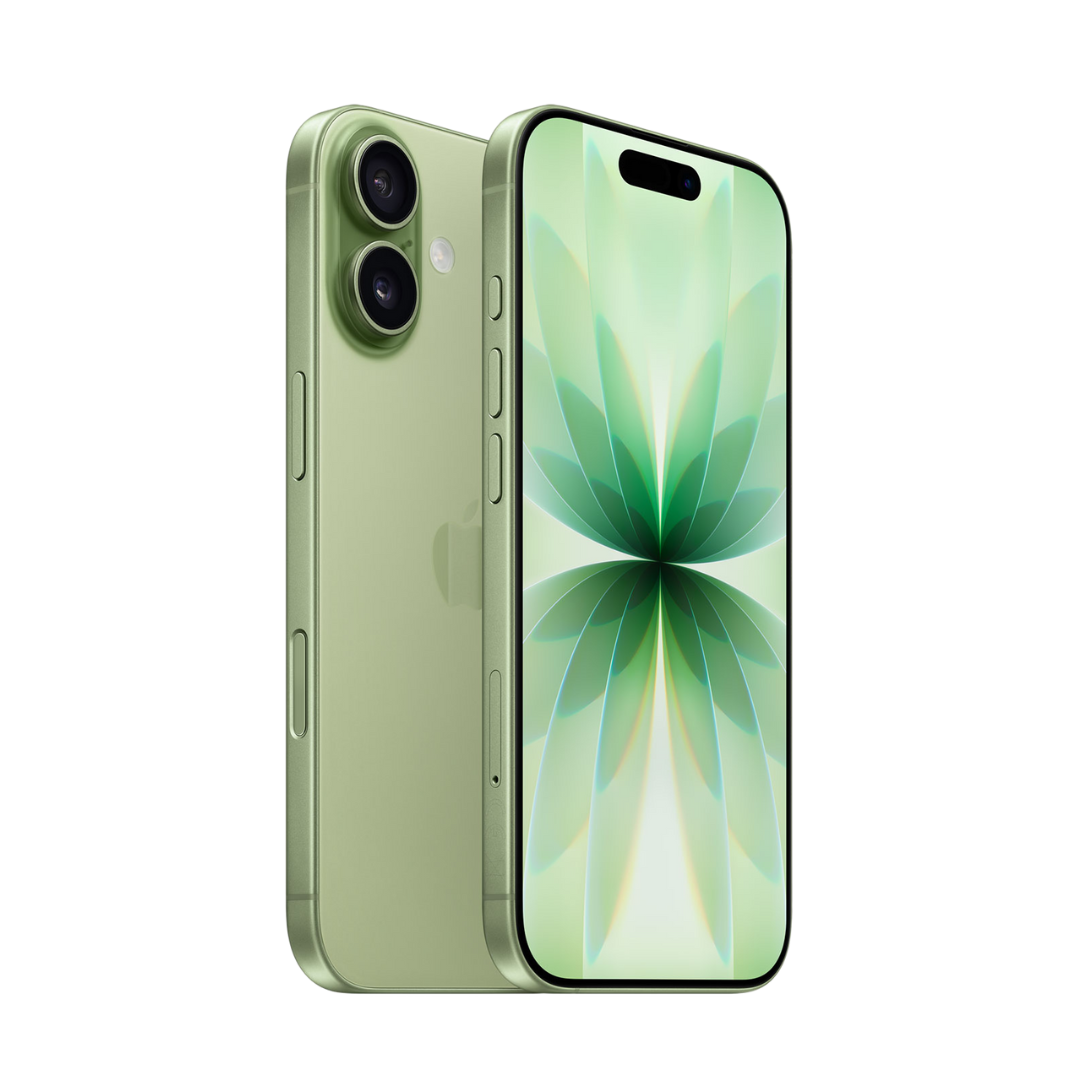
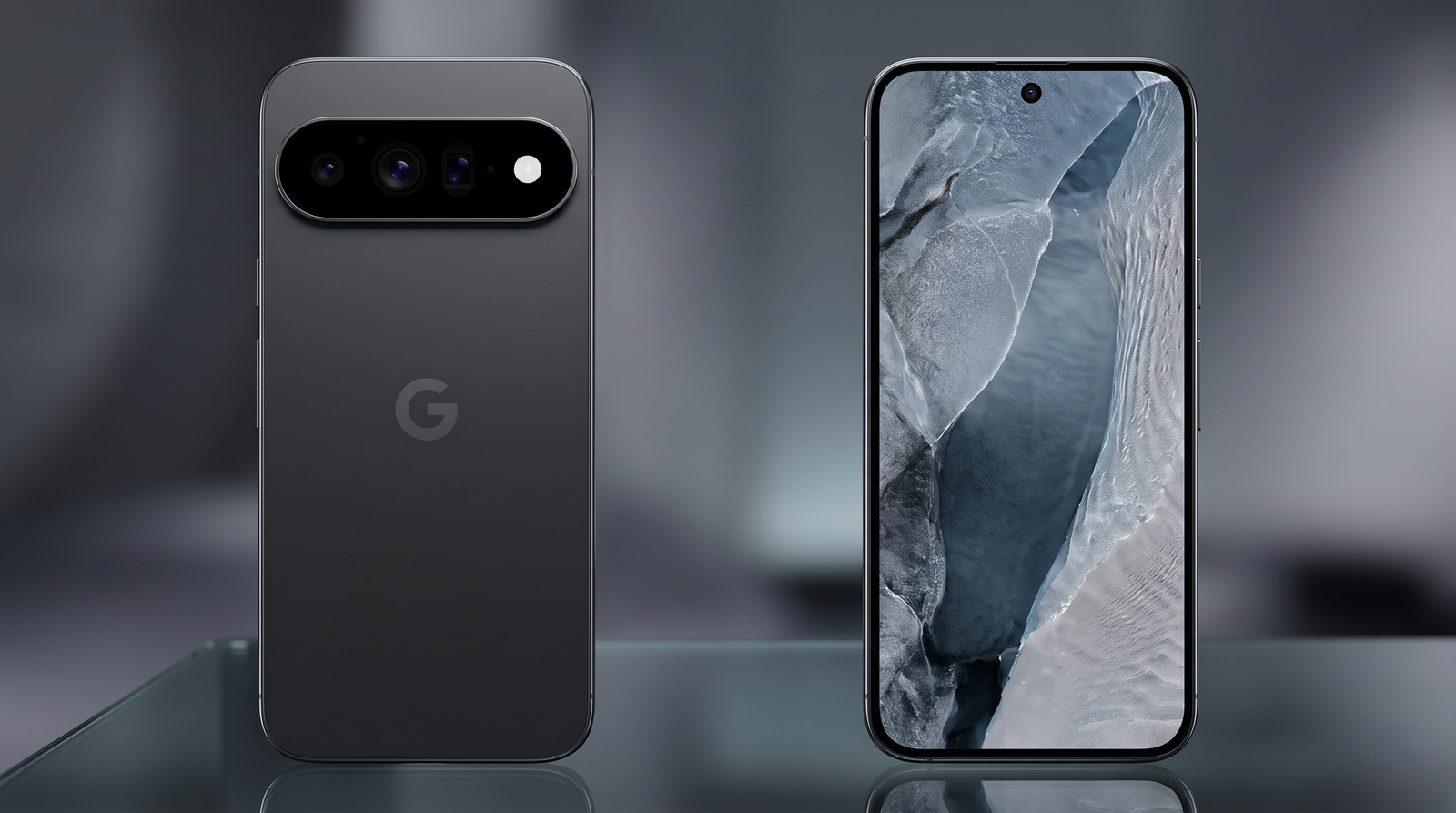
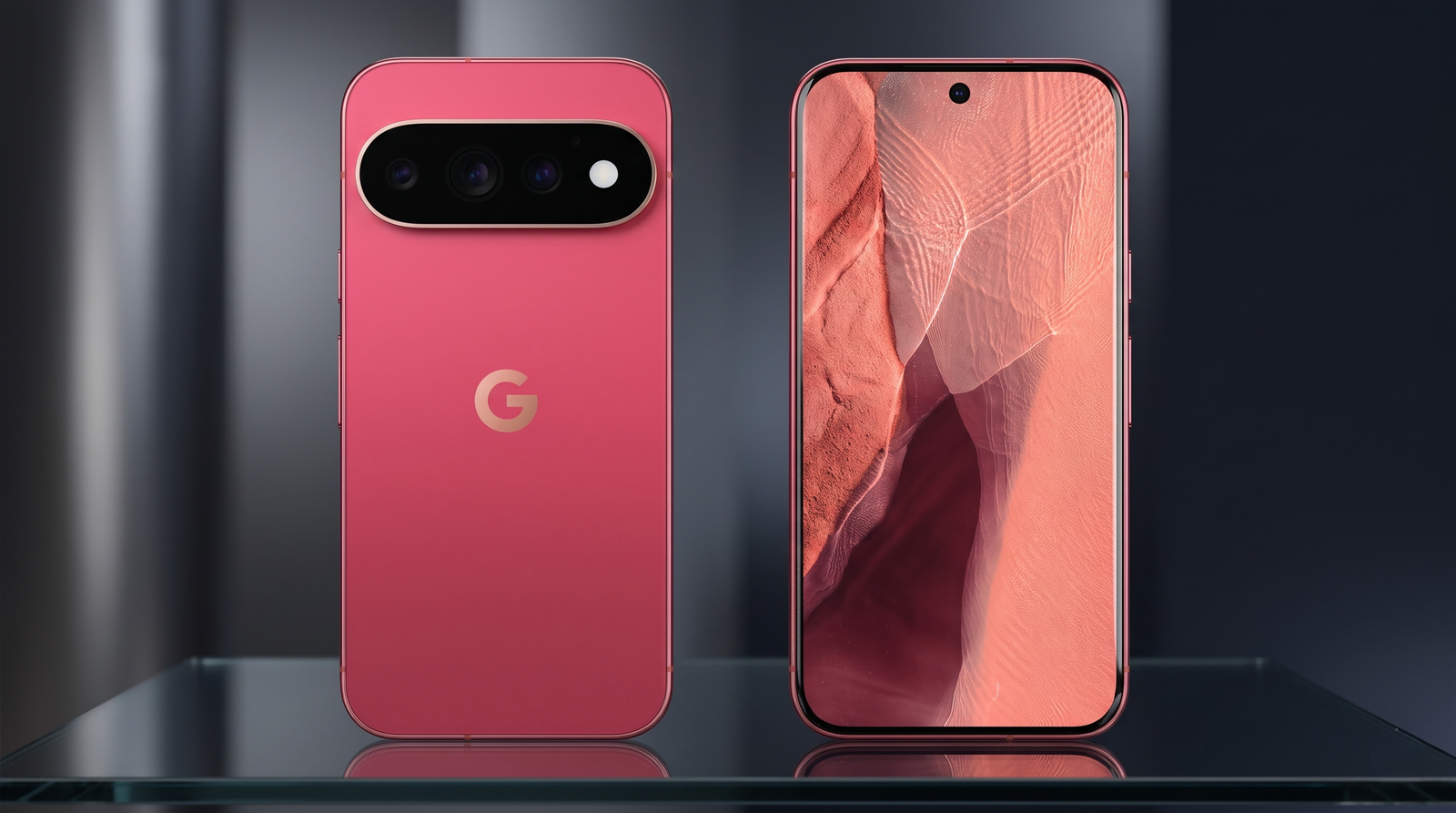
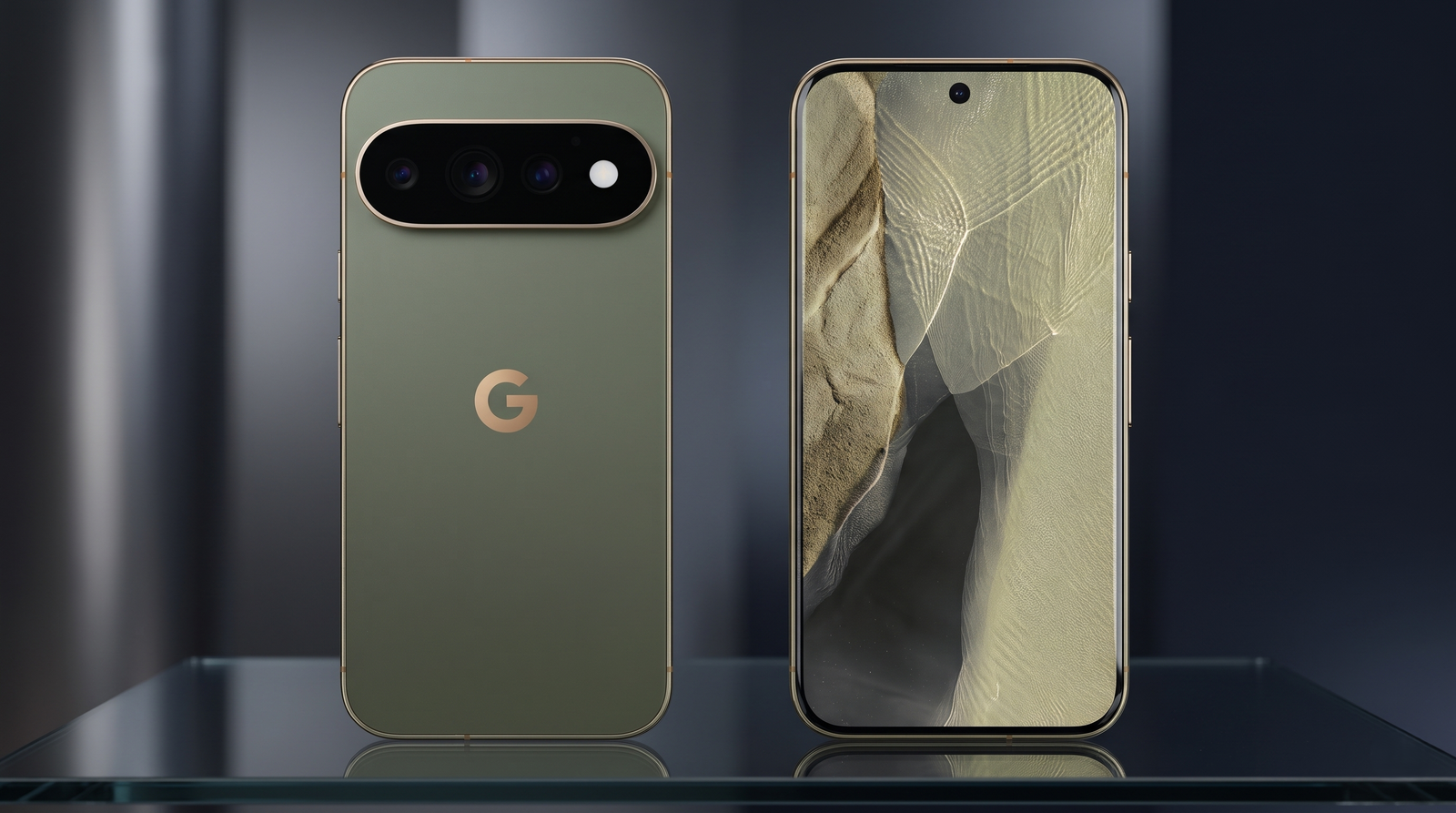
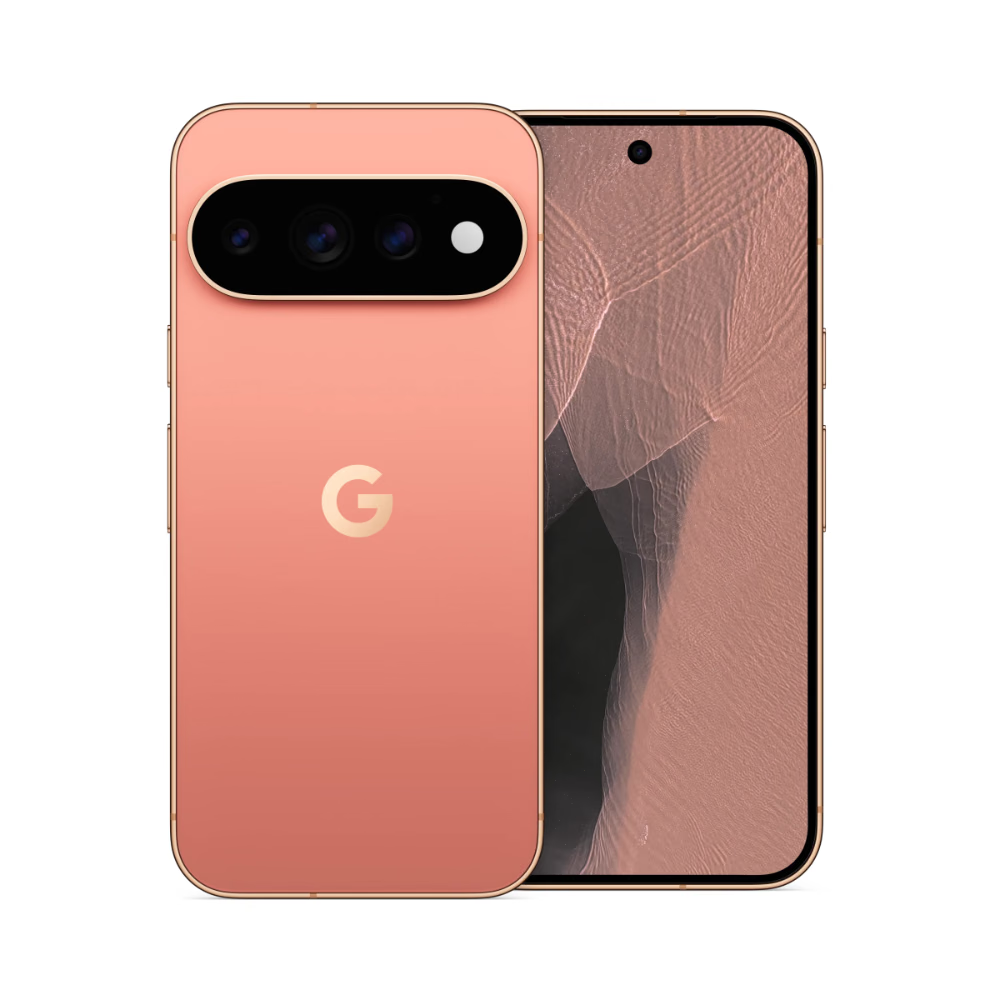
The Dynamic Island has defined recent iPhones. It cleverly turned the necessary hardware cutout for the front camera and Face ID sensors into an interactive, shape-shifting software feature. Yet, despite its utility, many users still prefer a more minimal interruption for watching videos and playing games. Current iPhone 19 hole punch camera leaks describe prototypes of the 2027 Pro models testing a much smaller, singular circular cutout solely for the front-facing camera, while the Face ID infrared system moves entirely beneath the active OLED panel.
This approach mirrors the transition many Android flagships made years ago, but Apple’s version carries vastly higher expectations for security reliability, unlocking speed, and photographic image quality. We have already explored the engineering hurdles behind iPhone 19 Pro under-display Face ID, but if Apple perfects it, the pill-shaped island will disappear completely.
The result? A dramatically cleaner front glass. Wallpapers, movies, and full-screen applications would feel closer to uninterrupted, while the remaining hole-punch is small enough that many users will barely notice it during standard daily use.
The Anniversary Parallel to the iPhone X
Apple has a proven track record of using milestone years to completely reset consumer expectations. The iPhone X did not simply add a few software features; it redefined the product’s identity for a decade. The 2027 anniversary models appear perfectly positioned for a similar historical role.
Beyond just shrinking the camera cutout, related leaks describe a shift in the glass architecture. As we detailed in our guide on the iPhone 19 Pro quad-curved screen issues, the display is expected to gently wrap around all four edges. This creates a seamless “slab of pure glass” appearance that completely hides the side bezels when viewed head-on.
| Milestone Device | Release Year | Key Hardware Redesign | Biometric Shift |
|---|---|---|---|
| Original iPhone | 2007 | Multi-touch glass slab | Slide to Unlock (None) |
| iPhone X (10th) | 2017 | Edge-to-edge OLED notch | Removed Touch ID for Face ID |
| iPhone 19 Pro (20th) | 2027 (Leaked) | Hole-punch & Quad-curved glass | Under-Display Face ID |
Swipe sideways to see all table columns →
- Release Year
- 2007
- Key Hardware Redesign
- Multi-touch glass slab
- Biometric Shift
- Slide to Unlock (None)
- Release Year
- 2017
- Key Hardware Redesign
- Edge-to-edge OLED notch
- Biometric Shift
- Removed Touch ID for Face ID
- Release Year
- 2027 (Leaked)
- Key Hardware Redesign
- Hole-punch & Quad-curved glass
- Biometric Shift
- Under-Display Face ID
Naming remains fluid in the rumor cycle. While supply chains refer to it as the iPhone 19 Pro, Apple could easily pivot to "iPhone 20" or "iPhone XX" branding to emphasize the 20-year milestone. Regardless of the retail name, the intent is clear: deliver a design that feels like an entirely new product generation rather than a spec-bump over the older iPhone 17 Pro Max.
Software Implications: Room for a New Interface Approach
A cleaner display opens the door for sweeping software changes. Currently, the Dynamic Island serves as a live activity hub and persistent status indicator in iOS. Removing or shrinking it forces Apple to completely redistribute those user interface functions.
Leaks and analyst commentary have long suggested that a major hardware redesign naturally coincides with a massive interface evolution. Possible directions for iOS 21 (expected in 2027) include:
- Fluid Edge Gestures: Expanded use of the quad-curved edges for contextual volume controls or swiping actions.
- Redistributed Live Activities: Moving active timers and Uber tracking back to the lock screen or integrating them seamlessly into a new top status bar.
- Uninterrupted AI Canvas: Deeper integration of Apple Intelligence overlays that take advantage of the near-borderless screen without a massive black pill blocking text.
History shows Apple pairs hardware milestones with software that makes the new form factor feel intentional. The original iPhone X launch brought a gesture-based iOS that embraced the notch; the 2027 redesign will likely do the same for the hole-punch era.
Why This Matters for Buyers
For most consumers, the front of the phone is the only part they truly interact with. A move to a single hole-punch would modernize the iPhone’s face after years of the same general structural architecture. It brings the Pro models closer to Apple's long-standing design vision of a singular, uninterrupted pane of glass.
Of course, engineering challenges remain. Under-display technology must meet Apple’s strict standards for security and reliability in direct sunlight and pitch darkness. Screen protectors, cases, and everyday durability will need careful engineering around the new quad-curved edges.
Still, the consistency of the reporting from multiple reliable supply-chain sources makes this one of the most credible, massive redesign rumors we have tracked in years. The original iPhone arrived in 2007 as a radical rethinking of the mobile phone. Twenty years later, the iPhone 19 Pro 20th anniversary edition looks poised to deliver another genuine leap. It will be the device that finally moves Apple past the Dynamic Island era and sets the smartphone template for the next ten years.