Intel Panther Lake Leaks: The Core Ultra 300 Chip Built to Destroy the Apple M5
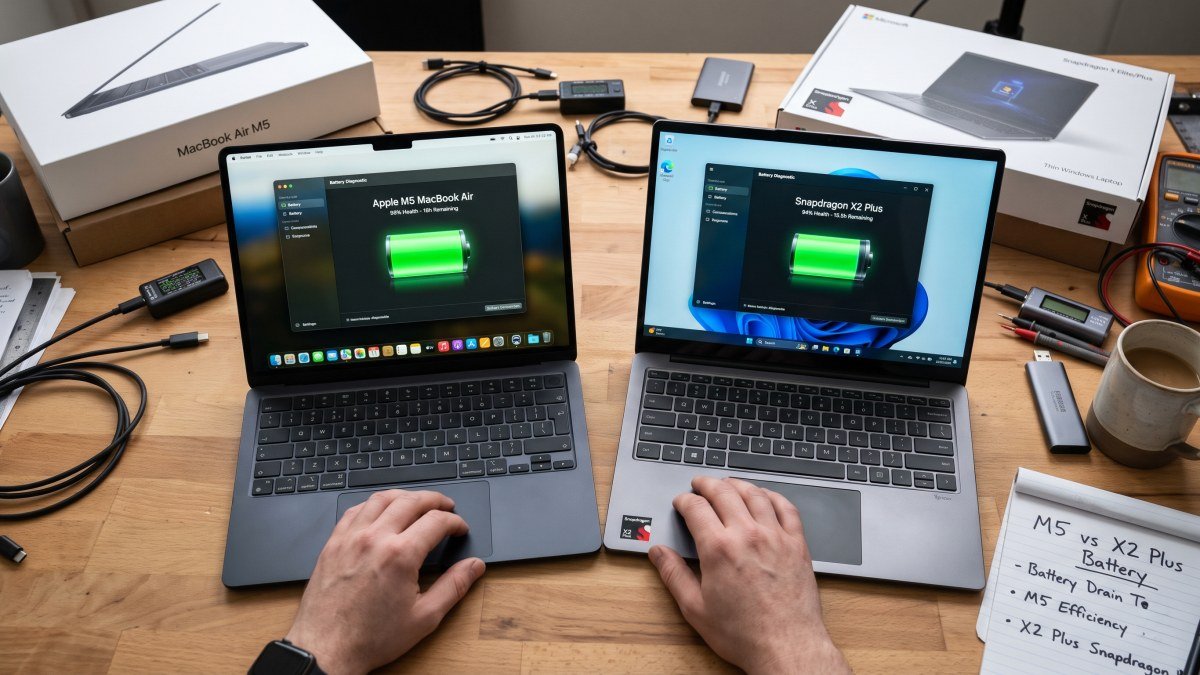
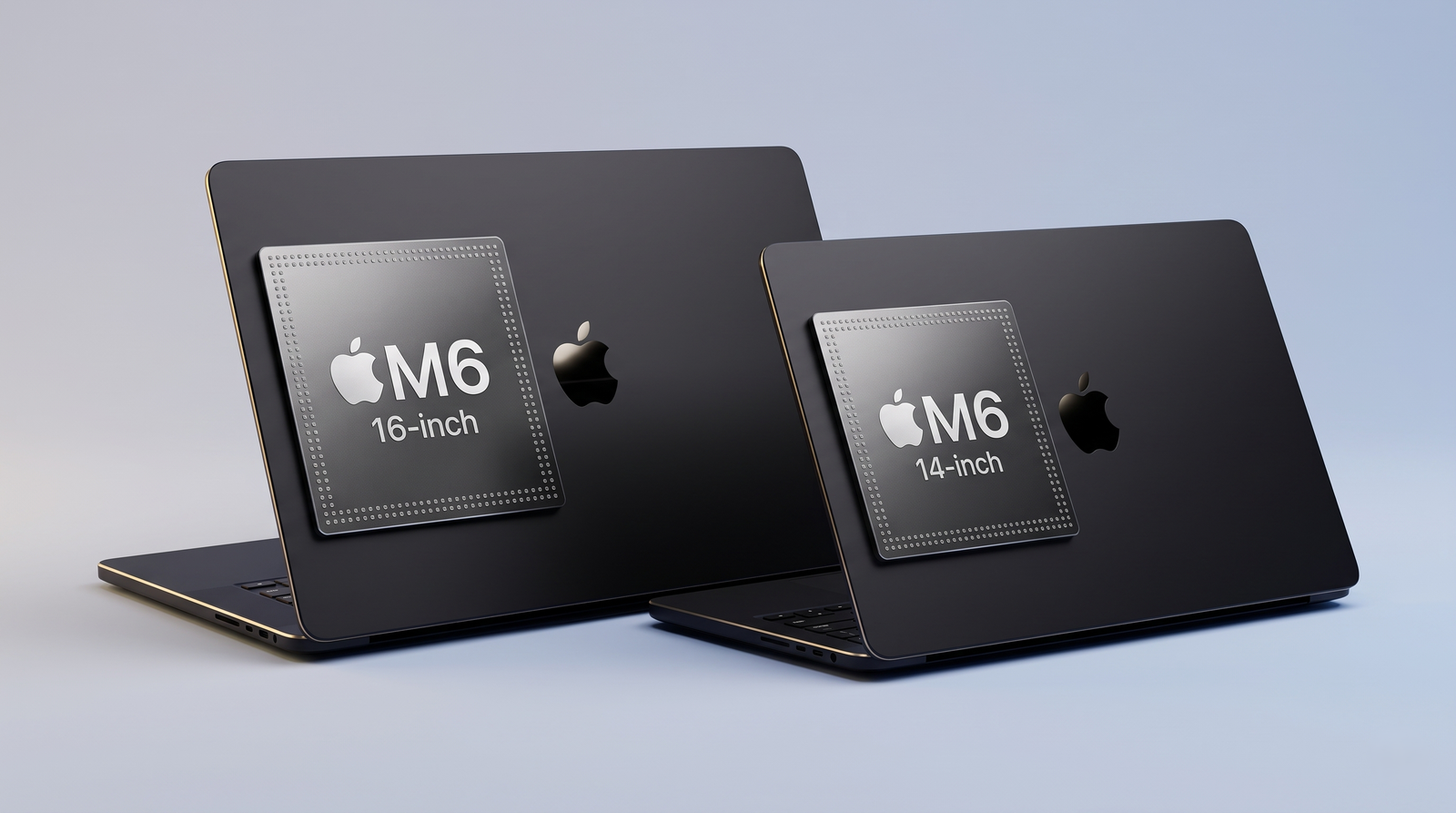
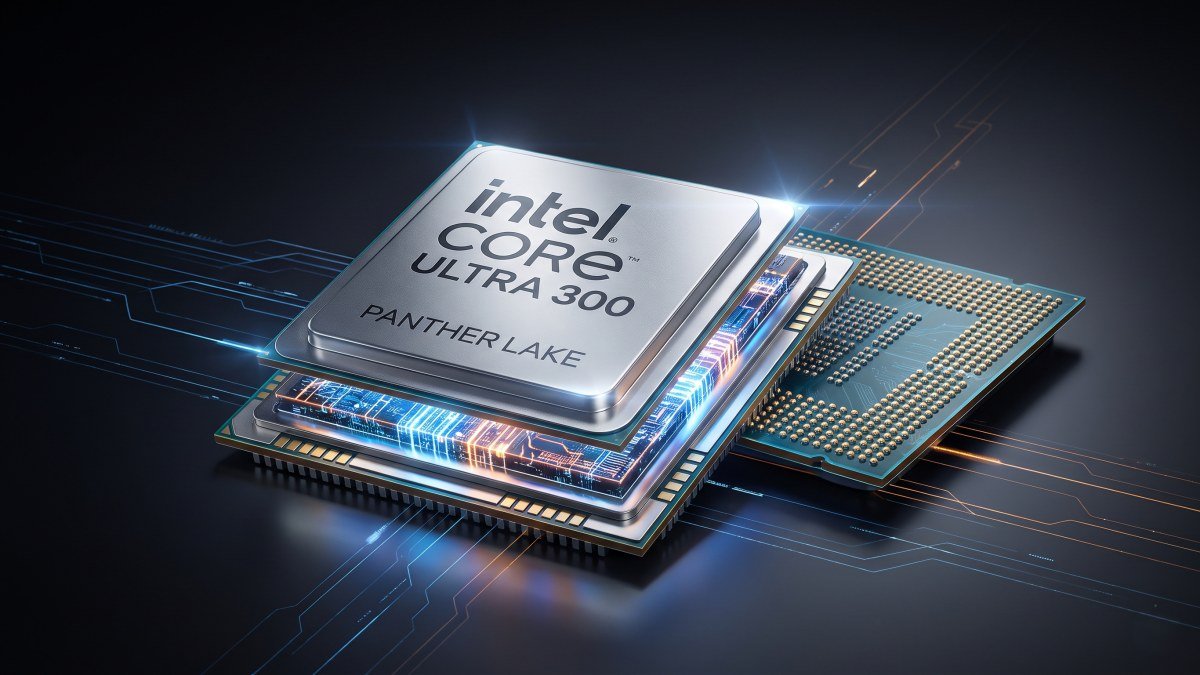
For the past few years, traditional Windows PC enthusiasts have had to endure Apple’s absolute dominance in the ultra-thin laptop space. While we recently analyzed how ARM-based Windows machines are fighting back in our M5 MacBook Air vs Snapdragon X2 Plus battery comparison, millions of legacy x86 power users have been waiting for Intel’s true response. The wait is almost over. Massive supply chain and benchmark leaks regarding Intel's next-generation "Panther Lake" architecture (officially the Core Ultra 300 series) have surfaced, and they paint a terrifying picture for Apple's upcoming M5 chip.
If you want the immediate bottom line: Intel is finally bringing a true 1.8nm-class manufacturing node (Intel 18A) to laptops, paired with a massive 50 TOPS Neural Processing Unit (NPU), and an entirely overhauled Xe3 integrated GPU that early benchmarks show actually beating the Apple M5 in graphics rendering.
If you are deciding whether to buy a new premium Windows ultrabook or switch to an upcoming M5 Mac, here is everything you need to know about the Intel Panther Lake leaks, the complete Core Ultra 300 spec list, and exactly how it aims to crush Apple's silicon dominance in early 2026.
The Architecture: Intel 18A and Core Ultra 300 Specs
The foundation of Intel's aggressive comeback is the new Intel 18A manufacturing process. By moving to this sub-2nm node, Intel is vastly improving power efficiency, which has been the primary Achilles' heel of x86 processors when compared to Apple Silicon and Qualcomm's latest Snapdragon chips.
According to prominent leakers, the Panther Lake lineup is an advanced chiplet-based design featuring a mix of Performance Cores (P-Cores), Efficiency Cores (E-Cores), and Low-Power Efficiency Cores (LPE-Cores). The flagship models are engineered to operate comfortably within a 15W to 25W base power envelope (perfect for fanless or ultra-quiet laptops), with the ability to boost up to 64W for short, intense rendering bursts.
Here is a breakdown of the leaked high-end Core Ultra 300 specs:
| Processor SKU (Leaked) | Total Cores (P + E + LPE) | Max Boost Clock Speed |
|---|---|---|
| Core Ultra X9 388H | 16 Cores (4 + 8 + 4) | 5.1 GHz |
| Core Ultra 9 386H | 16 Cores (4 + 8 + 4) | 4.9 GHz |
| Core Ultra X7 368H | 16 Cores (4 + 8 + 4) | 5.0 GHz |
| Core Ultra 7 366H | 16 Cores (4 + 8 + 4) | 4.8 GHz |
Swipe sideways to see all table columns →
- Total Cores (P + E + LPE)
- 16 Cores (4 + 8 + 4)
- Max Boost Clock Speed
- 5.1 GHz
- Total Cores (P + E + LPE)
- 16 Cores (4 + 8 + 4)
- Max Boost Clock Speed
- 4.9 GHz
- Total Cores (P + E + LPE)
- 16 Cores (4 + 8 + 4)
- Max Boost Clock Speed
- 5.0 GHz
- Total Cores (P + E + LPE)
- 16 Cores (4 + 8 + 4)
- Max Boost Clock Speed
- 4.8 GHz
Hitting 5.1 GHz on an ultra-thin laptop processor is a monumental achievement. It ensures that snappy, single-core tasks like web browsing and app launching will feel instantaneous, effectively closing the gap with the legendary single-core performance of the Mac lineup.
The Graphics War: Xe3 vs. Apple M5 GPU
While CPU clock speeds are important, the real battleground for 2026 ultra-thin laptops is integrated graphics. Apple's M-series has historically decimated Intel's integrated Iris and Arc graphics, allowing MacBook users to edit 4K video and play modern games without a dedicated graphics card. Panther Lake is engineered to violently end that winning streak.
The Core Ultra 300 series will introduce Intel’s next-generation "Celestial" Xe3 GPU architecture. The premium "X" designated chips (like the Core Ultra X9 388H) will feature massive 12-core Xe3 graphical units.
Recently leaked 3DMark Steel Nomad Light benchmarks highlight this massive graphical leap. In early testing, the 12-core Xe3 Panther Lake iGPU scored an impressive 5,927 points, whereas the 10-core Apple M5 GPU managed around 4,864 points. This means that for light 1080p gaming and GPU-accelerated video rendering, Intel's upcoming ultra-thin processors will physically outpace Apple's standard M5 silicon. If you have been hesitant to switch from macOS to Windows because of graphical bottlenecks in thin laptops, the Xe3 upgrade completely eliminates that concern.
Local AI: The 50 TOPS NPU
It is impossible to discuss 2026 processors without mentioning Artificial Intelligence. Just as we have seen fierce battles in the mobile space (detailed in our Exynos 2700 vs Snapdragon 8 Elite Extreme AI comparison), laptop manufacturers are racing to perform generative AI tasks locally without pinging a cloud server.
The Panther Lake architecture features a dedicated Neural Processing Unit (NPU) rated at 50 TOPS (Trillions of Operations Per Second). This heavily outperforms the previous Lunar Lake generation and easily satisfies Microsoft's strict "Copilot+ PC" requirements. For everyday users, this means real-time background blurring on video calls, instant local text summarization, and generative photo editing directly inside Windows—all executed without draining your battery or spinning up loud cooling fans.
Intel Panther Lake vs Apple M5: The Showdown
To summarize how these two behemoth architectures will clash in the ultimate Intel Panther Lake vs Apple M5 war, here is a direct comparison of their leaked specifications:
| Feature | Intel Panther Lake (Core Ultra X9) | Apple M5 (Base Model) |
|---|---|---|
| Manufacturing Node | Intel 18A (1.8nm-class) | TSMC N3P (3nm) |
| CPU Cores | Up to 16 (Hybrid layout) | Up to 10 |
| Integrated Graphics | Xe3 Celestial (Up to 12 Cores) | M5 GPU (Up to 10 Cores) |
| AI NPU Speed | 50 TOPS | ~38 TOPS (Neural Engine) |
| Max Boost Clock | 5.1 GHz | ~4.5 GHz (Estimated) |
Swipe sideways to see all table columns →
- Intel Panther Lake (Core Ultra X9)
- Intel 18A (1.8nm-class)
- Apple M5 (Base Model)
- TSMC N3P (3nm)
- Intel Panther Lake (Core Ultra X9)
- Up to 16 (Hybrid layout)
- Apple M5 (Base Model)
- Up to 10
- Intel Panther Lake (Core Ultra X9)
- Xe3 Celestial (Up to 12 Cores)
- Apple M5 (Base Model)
- M5 GPU (Up to 10 Cores)
- Intel Panther Lake (Core Ultra X9)
- 50 TOPS
- Apple M5 (Base Model)
- ~38 TOPS (Neural Engine)
- Intel Panther Lake (Core Ultra X9)
- 5.1 GHz
- Apple M5 (Base Model)
- ~4.5 GHz (Estimated)
Release Date and Final Verdict
According to the latest supply chain roadmaps, Intel will officially unveil the Core Ultra 300 "Panther Lake" series during CES on January 5, 2026. You can expect premium hardware partners like Dell, HP, Lenovo, and ASUS to begin shipping retail laptops featuring these chips by the end of Q1 2026.
For years, buying a thin Windows laptop meant accepting lower graphical performance and worse battery life than a MacBook. By combining the ultra-efficient 18A process node with a graphics engine capable of besting the M5, Intel is proving that x86 architecture is far from dead. If you are deeply invested in the PC ecosystem and need a powerful, long-lasting machine, Panther Lake is absolutely worth waiting for. Keep an eye on our devices hub as we track official announcements leading up to CES 2026.