Galaxy S27 Ultra Memory Leaks: Is Samsung Ditching LPDDR6 RAM to Cut Costs?
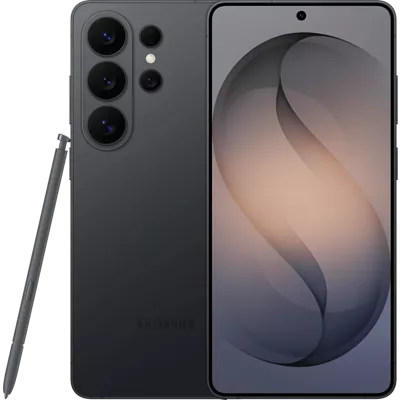
If you were holding out for the Samsung Galaxy S27 Ultra hoping for a generational leap in memory technology, recent supply chain leaks bring a disappointing reality check. Early 2026 rumors strongly suggested Samsung’s next ultra-premium flagship would be the first to market with blazing-fast Galaxy S27 Ultra LPDDR6 RAM and next-generation UFS 5.0 storage. However, late October insider reports indicate that Samsung is actively scrapping these plans to combat skyrocketing component costs. Instead of pushing the boundaries of memory bandwidth, the company is reportedly sticking with the older LPDDR5X RAM and UFS 4.0 storage standards found in current devices.
For power users and tech enthusiasts, memory speed is not just a meaningless number on a spec sheet—it is the absolute lifeblood of on-device Artificial Intelligence processing. As smartphone prices creep higher every year, buyers are heavily scrutinizing S27 Ultra specs cost cutting decisions to determine if the upcoming flagship is truly worth the premium investment. Here is a deep dive into why Samsung is hitting the brakes on memory upgrades, how it will impact your daily performance, and what it means for the 2027 flagship landscape.
The Original Promise: Why We Needed LPDDR6 and UFS 5.0
To understand why this downgrade hurts, we have to look at the demands of modern smartphones. The tech industry is currently obsessed with running large language models (LLMs) and generative AI directly on your phone, rather than relying on a cloud server. Features like instant voice translation, generative photo editing, and contextual AI assistants require massive amounts of data to be read and written in milliseconds.
LPDDR6 RAM was engineered specifically to solve this data bottleneck. It offers significantly higher data transfer rates (up to 10.6 Gbps compared to the 8.5 Gbps of LPDDR5X) while consuming less ambient power. Paired with Samsung S27 Ultra UFS 5.0 storage, the phone would have been able to load massive AI models into active memory instantaneously, virtually eliminating loading screens and processing delays.
The Reality Check: Supply Chain Cost-Cutting
If LPDDR6 is so vastly superior, why is Samsung backing out? The answer comes down to the brutal economics of smartphone manufacturing in late 2026. Building an ultra-premium device is more expensive than ever, and Samsung is desperately trying to prevent the base price of the S27 Ultra from crossing the $1,399 threshold.
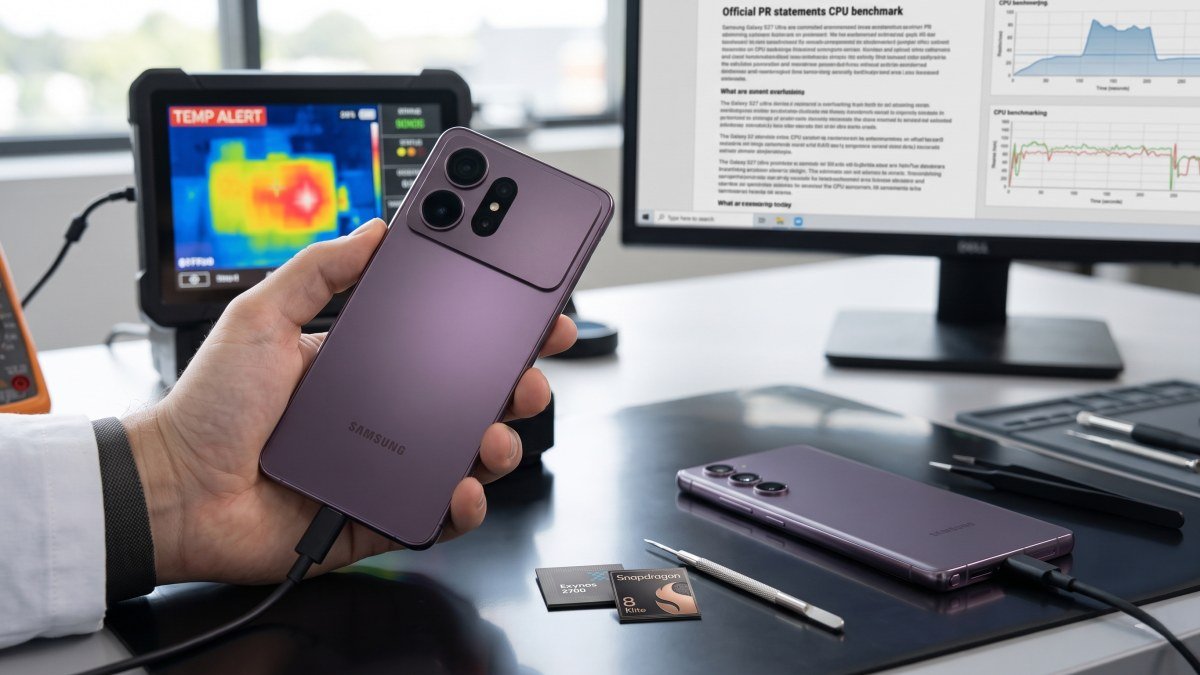
The primary culprit draining the production budget is the processor. As we detailed in our Galaxy S27 Ultra Exynos 2700 vs Snapdragon 8 Elite Gen 6 comparison, Qualcomm’s new 2nm Snapdragon silicon is incredibly expensive. In order to absorb the increased cost of this powerhouse processor, the new 5,700mAh battery, and the upgraded camera sensors, Samsung’s mobile division had to find areas to cut corners.
LPDDR6 RAM and UFS 5.0 are brand-new technologies with low initial manufacturing yields, making them incredibly costly to implement at the scale Samsung requires. By reverting to the mature, highly available LPDDR5X and UFS 4.0 (or slightly tweaked 4.1) standards, Samsung saves a significant amount on their Bill of Materials (BoM), protecting their profit margins without raising the retail price for consumers.
How Will This Impact AI and Daily Performance?
The immediate question for prospective buyers is whether this cost-cutting measure will ruin the user experience. For standard tasks—like 4K video recording, scrolling through social media, or playing Genshin Impact—you will not notice any difference. LPDDR5X RAM is still exceptionally fast and handles traditional smartphone workloads flawlessly, much as it does on the current Samsung Galaxy S26 Ultra.
The limitation will only become apparent when pushing the boundaries of Galaxy AI. If you are generating complex images on-device or asking the AI to summarize massive PDF documents, the older memory standards will take a few extra seconds to process the request compared to a device equipped with LPDDR6. While it is not a dealbreaker for most, it does mean the S27 Ultra might lack the long-term "future-proofing" that power users expect from a device designed to last seven years.
Spec Showdown: Memory and Storage Evolution
To help you visualize how the upcoming device compares to its predecessor under this new cost-cutting paradigm, here is a breakdown of the expected memory specifications:
| Component | Galaxy S26 Ultra (Current) | Galaxy S27 Ultra (Leaked) |
|---|---|---|
| RAM Standard | LPDDR5X | LPDDR5X (Cost-cutting measure) |
| Storage Standard | UFS 4.0 | UFS 4.0 / 4.1 (UFS 5.0 Scrapped) |
| Base RAM Capacity | 12GB | 12GB (16GB option heavily rumored) |
| Processor | Snapdragon 8 Gen 4 | Snapdragon 8 Elite Extreme Gen 6 |
Swipe sideways to see all table columns →
- Galaxy S26 Ultra (Current)
- LPDDR5X
- Galaxy S27 Ultra (Leaked)
- LPDDR5X (Cost-cutting measure)
- Galaxy S26 Ultra (Current)
- UFS 4.0
- Galaxy S27 Ultra (Leaked)
- UFS 4.0 / 4.1 (UFS 5.0 Scrapped)
- Galaxy S26 Ultra (Current)
- 12GB
- Galaxy S27 Ultra (Leaked)
- 12GB (16GB option heavily rumored)
- Galaxy S26 Ultra (Current)
- Snapdragon 8 Gen 4
- Galaxy S27 Ultra (Leaked)
- Snapdragon 8 Elite Extreme Gen 6
Will the Competition Capitalize?
Samsung’s decision to play it safe with memory hardware opens a massive door for its rivals. While Samsung retreats, Google is reportedly pushing forward. According to our recent coverage on the Google Pixel 12 Tensor G7 leaks, Google is fully embracing LPDDR6 RAM to power its next-generation Gemini AI features. If Google successfully brings LPDDR6 to the market at a lower price point, Samsung will face severe criticism from reviewers and tech enthusiasts for stagnating on critical hardware.
While discovering that a highly anticipated feature has been scrapped is always frustrating, it is important to look at the entire package. Despite the memory downgrade, the device is still receiving a massive battery upgrade and a 2nm processor. If you are debating an upgrade, we highly recommend reading our guide on the 5 huge upgrades coming to the Galaxy S27 Ultra to see the full picture before pre-orders go live in early 2027.