iPhone 19 Pro Under-Display Face ID: How Apple is Finally Killing the Dynamic Island
The infamous display notch changed everything in 2017 with the launch of the iPhone X. Five years later, Apple introduced the Dynamic Island with the iPhone 14 Pro, marketing the pill-shaped cutout as a revolutionary software-hardware hybrid masterpiece. However, despite the slick animations, tech enthusiasts have always viewed the Dynamic Island as a temporary band-aid solution. Fast forward to the upcoming 2027 cycle, and the highly anticipated iPhone 19 Pro design leaks are painting a drastically different, futuristic picture. According to prominent supply chain sources, Apple is finally ready to execute the next phase of its true all-screen vision.
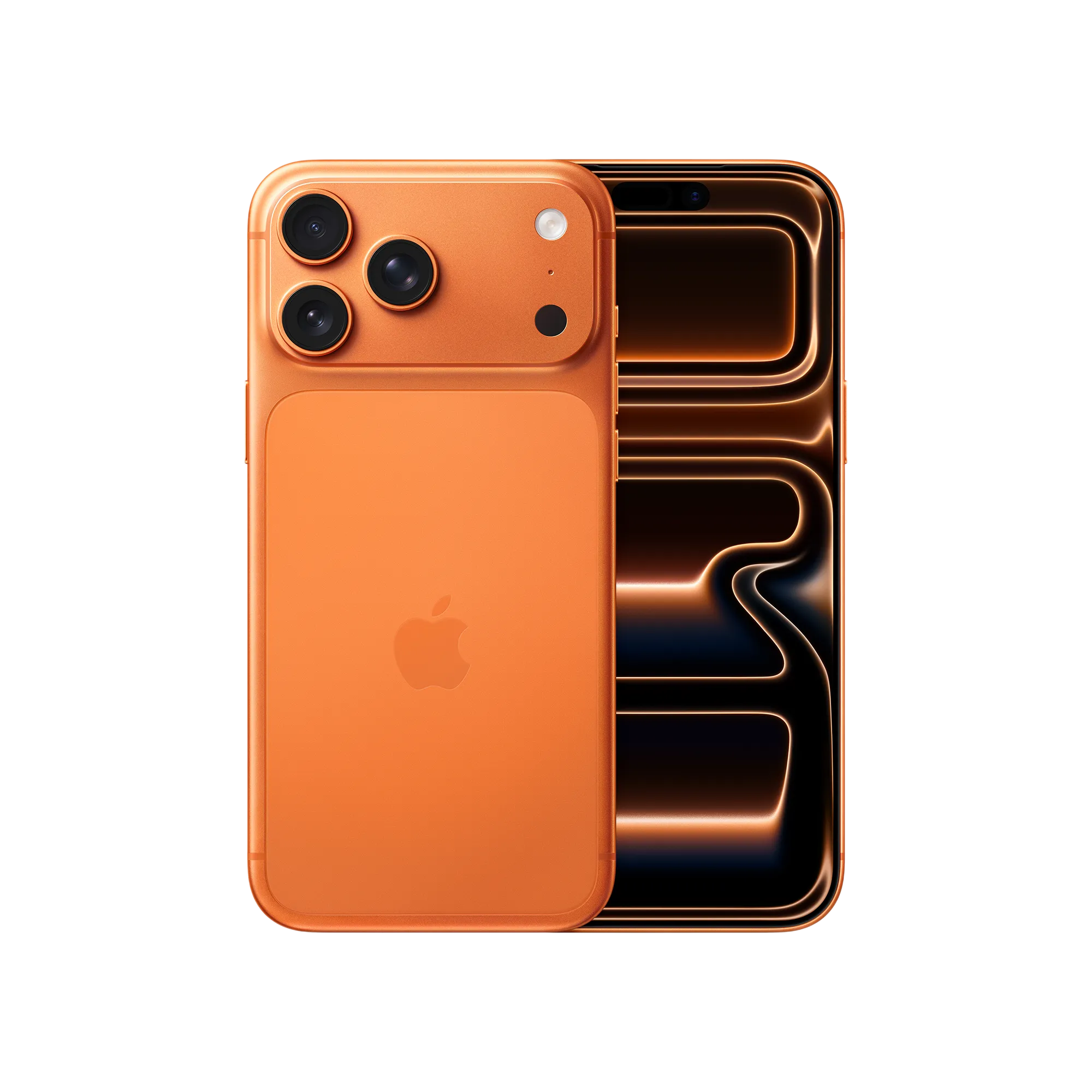
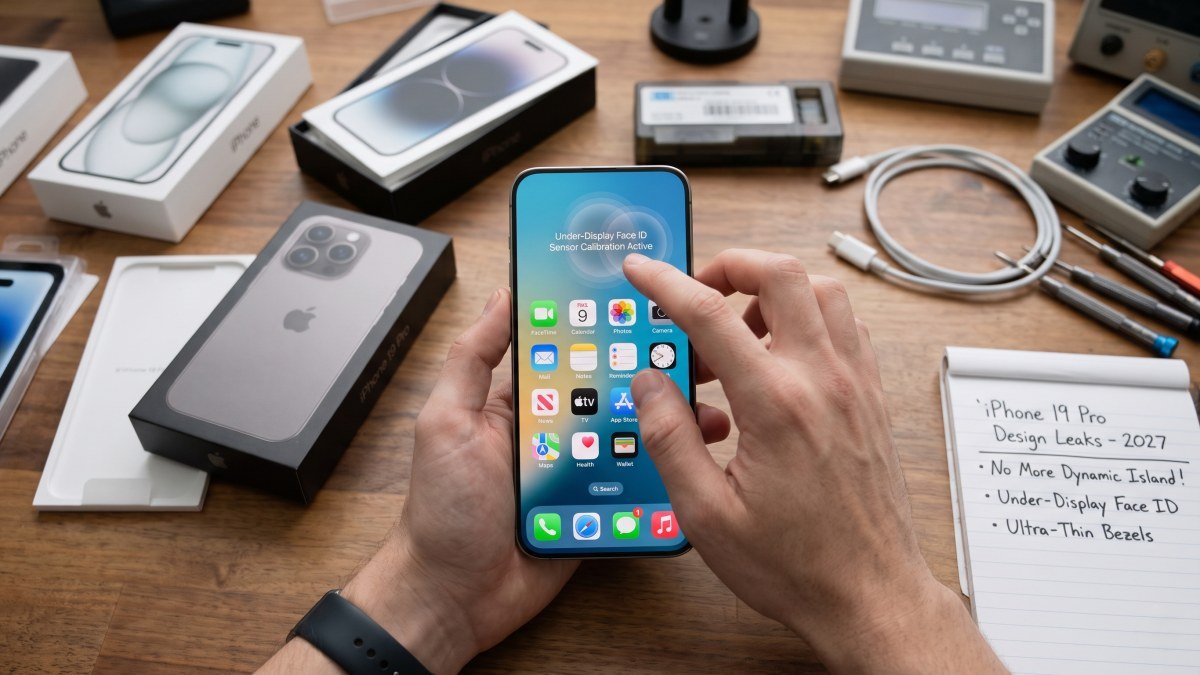
The core of this revolution lies in a complete overhaul of the front-facing sensor array. Apple is aggressively preparing to debut iPhone 19 Pro under-display Face ID technology. This is a monumental engineering feat that effectively signals Apple killing the Dynamic Island as we know it. For users who have been patiently waiting for the physical cutouts and dead pixels to disappear, 2027 is shaping up to be the definitive upgrade year.
Here is an exclusive, comprehensive breakdown of the leaked iPhone 19 Pro display specs, the new quad-curve glass design, and how the complex Face ID sensors will magically vanish beneath the active OLED panel.
Under-Display Face ID: Solving the Infrared Problem
The Dynamic Island currently houses several critical, highly sensitive components: the ambient light sensor, proximity sensor, flood illuminator, infrared camera, dot projector, and the standard visible-light selfie camera. Hiding all of these behind an active OLED display without compromising security has been an engineering nightmare for the past half-decade.
According to prominent supply chain leaker Digital Chat Station, Apple has successfully moved the entire Face ID authentication stack completely beneath the OLED panel for the iPhone 19 Pro. The Face ID system relies on projecting structured infrared light and reading the reflection at sub-millimeter accuracy, then running that depth map through the Secure Enclave. Doing this through a layer of glowing pixels has been the primary bottleneck for under-display authentication.
This massive breakthrough confirms long-standing display roadmaps that pointed to 2027 as the exact year the Face ID sensors would finally disappear. The technical hurdle has always been that infrared projection and dot mapping degrade heavily when forced to transmit through OLED layers. By successfully cracking this code, Apple is effectively retiring the pill-shaped Dynamic Island cutout, reclaiming significant vertical screen real estate for the user's content.
The Hole-Punch Camera: A Necessary Compromise
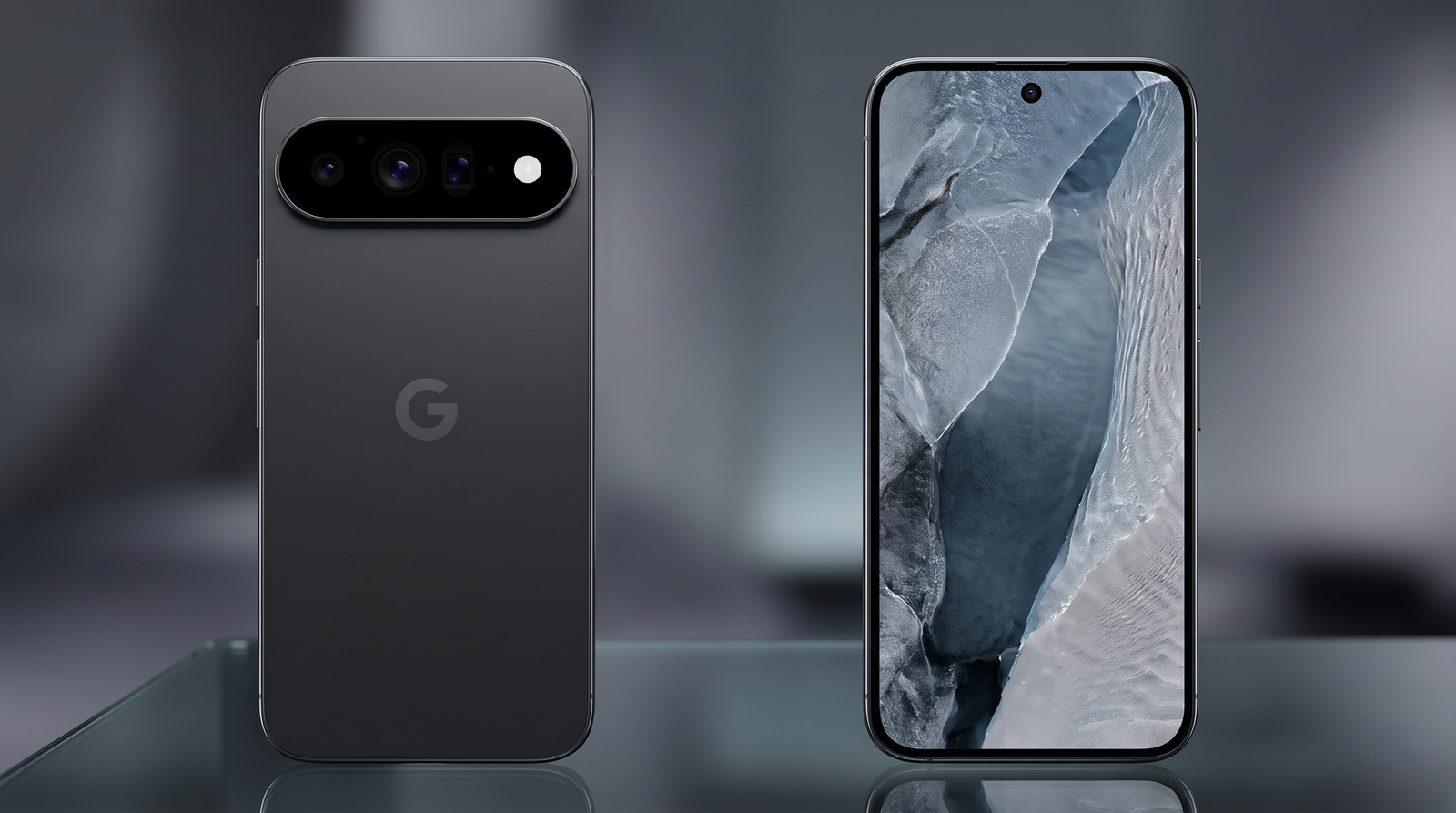
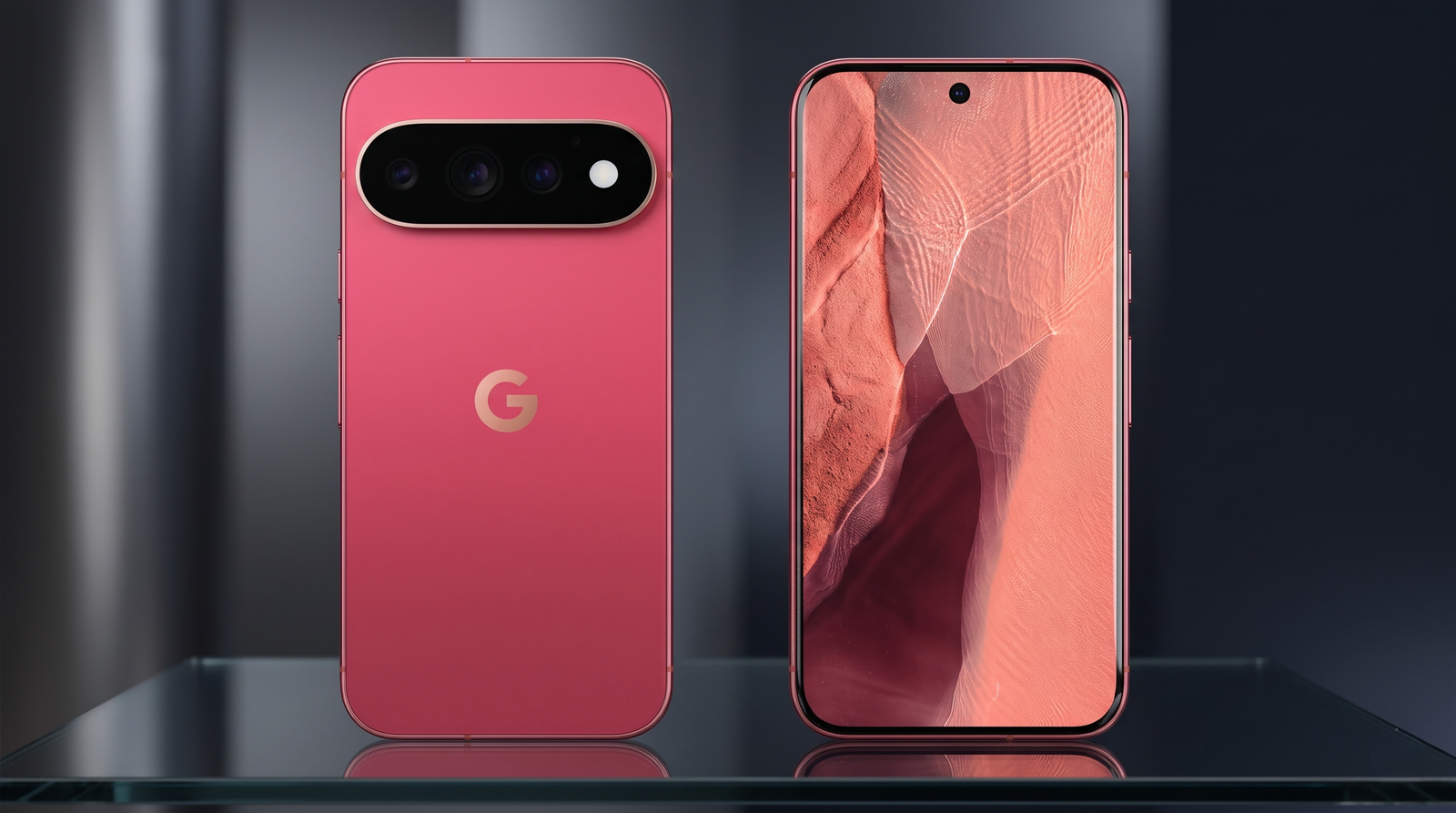
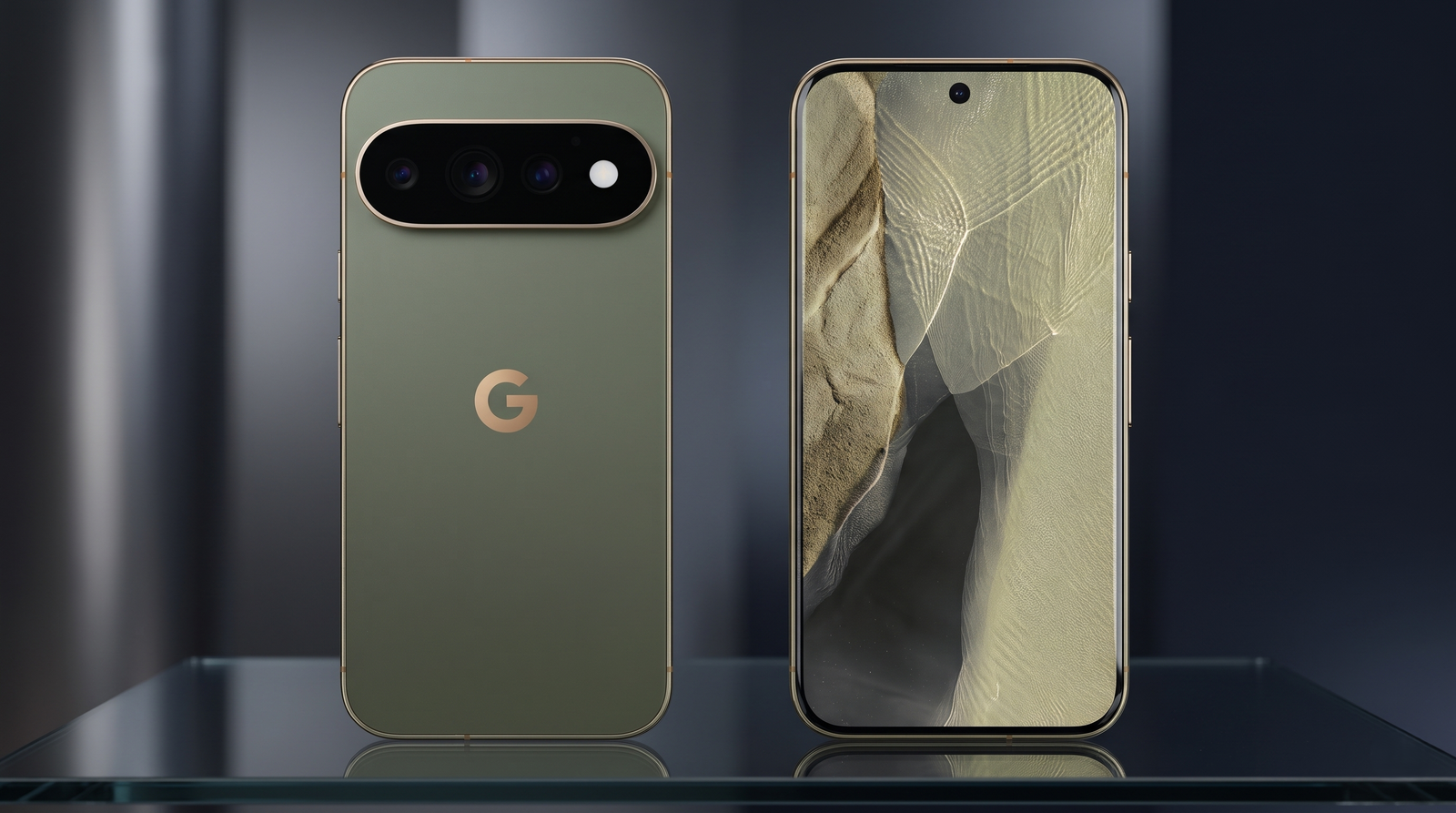
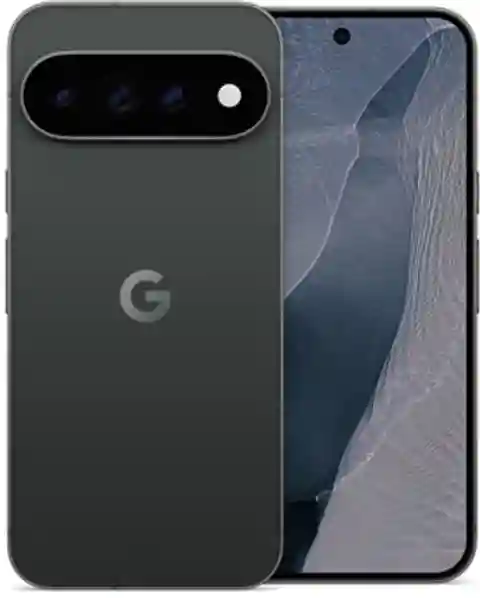
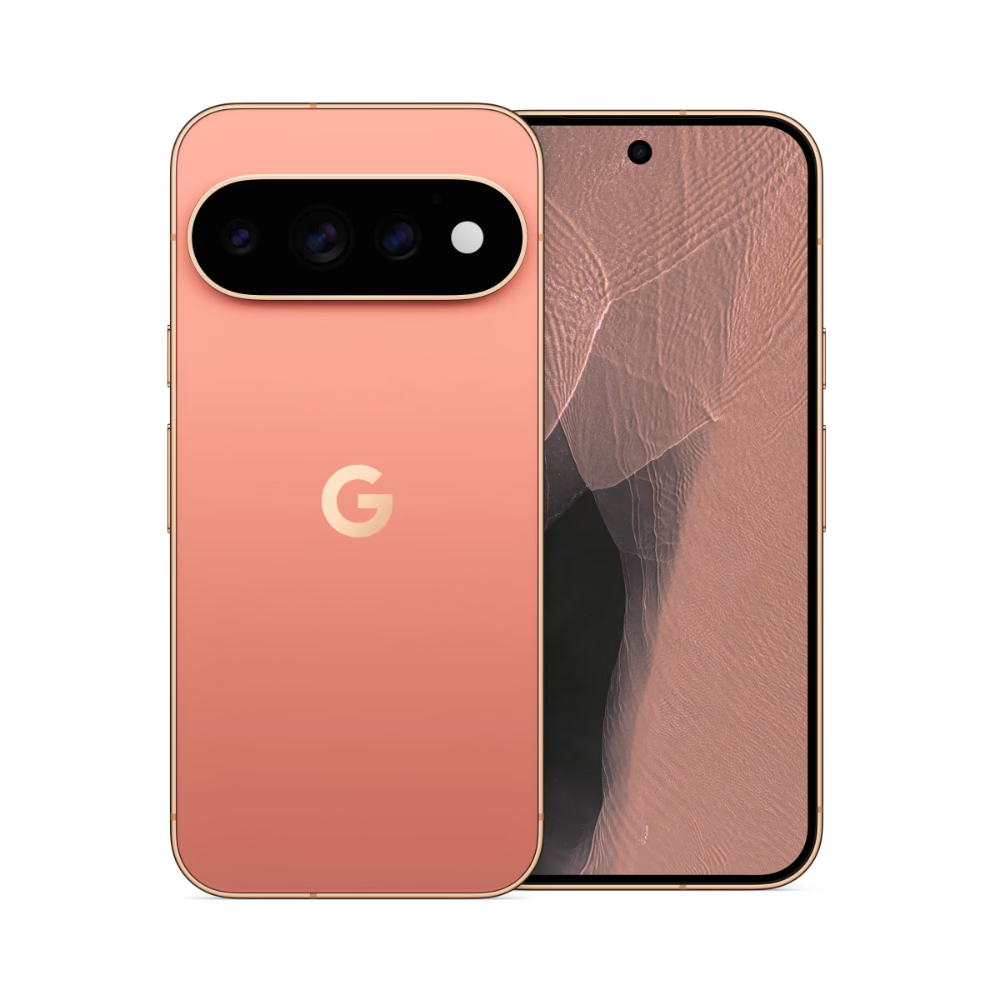
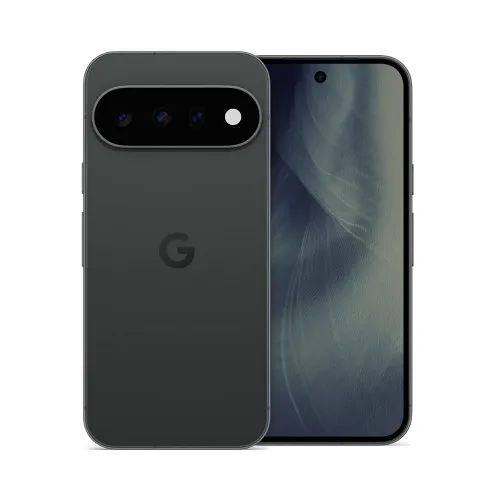
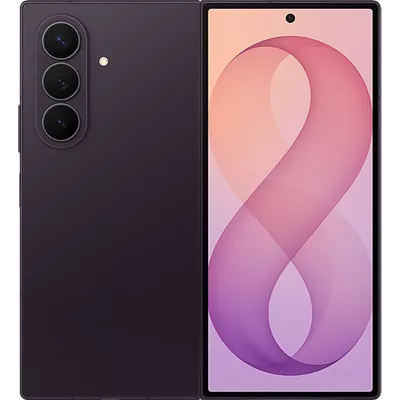
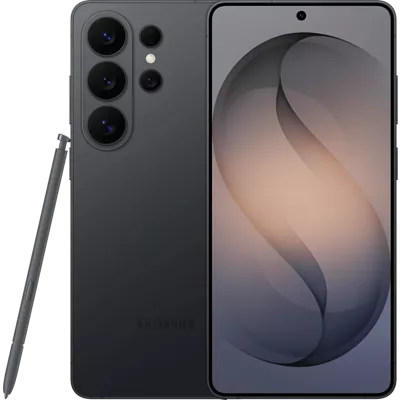
While the Face ID sensors are moving under the glass, Apple is not entirely abandoning a physical cutout just yet. The same leaks confirm that the iPhone 19 Pro will feature a small, singular "hole-punch" cutout strictly dedicated to the front-facing selfie camera.
Why not hide the camera too? The answer lies in the limitations of optical physics. Visible-light photography through an active OLED panel suffers from severe diffraction, reduced light transmission, and an overall softening of the image frame. While several Chinese Android manufacturers have shipped under-display selfie cameras since 2020, the consensus from consumers and reviewers is that the photo quality is noticeably worse.
Given how heavily Apple markets its camera capabilities—especially for FaceTime, spatial Vision Pro Personas, and visual inputs for Apple Intelligence—compromising on front-facing image clarity is simply not an option. We recently analyzed the incredible optics expected on the iPhone 18 Pro with its variable aperture camera, and Apple will not take a step backward on clarity for the sake of aesthetics. Thus, the iPhone 19 Pro will feature a sleek, single hole-punch, drastically shrinking the dead space at the top of the display to a bare minimum.
Quad-Curved OLED: Making the Bezels Vanish
Moving Face ID under the screen is only half of the 2027 design equation. To achieve the illusion of a completely bezel-less device, Apple is reportedly testing a "quad-curved" display panel for the iPhone 19 Pro.
If the phrase "curved screen" gives you flashbacks to the extreme, fragile waterfall edges of older Android devices, don't panic. According to insiders like Ice Universe, Apple's implementation is described as "extremely subtle". Chinese Android brands in the late 2010s pushed aggressive curves that led to accidental touches, distorted edge colors, and impossible screen protector installations. Apple's approach is the exact opposite: the curve is shallow enough that the device feels completely flat in the hand, but the glass wraps just far enough over the metal frame to visually hide the structural black borders.
To accomplish this without ruining the display quality, Apple is reportedly partnering with Samsung Display to utilize "Color Filter on Encapsulation" (COE) technology. COE removes a specific polarizer layer within the OLED stack, allowing the panel to run thinner and brighter while entirely sidestepping the color-shift artifacts that ruined early curved screens. This complements the same relentless pursuit of structural thinness we are currently tracking with the heavily rumored ultra-thin iPhone Air 2.
The 20th Anniversary iPhone: What Comes Next?
While the iPhone 19 Pro will introduce under-display Face ID and a minimal hole-punch camera, it is important to remember that 2027 is a deeply historic year for the company. It marks the 20th anniversary of the original 2007 iPhone.
Supply chain reports indicate that Apple is concurrently developing a separate "20th-anniversary commemorative iPhone" that may hold back the fully uninterrupted, 100% all-glass screen (with both Face ID and the selfie camera completely hidden) as its headline exclusive feature. Whether this anniversary edition launches alongside the iPhone 19 Pro or replaces a current tier remains one of the industry's biggest mysteries.
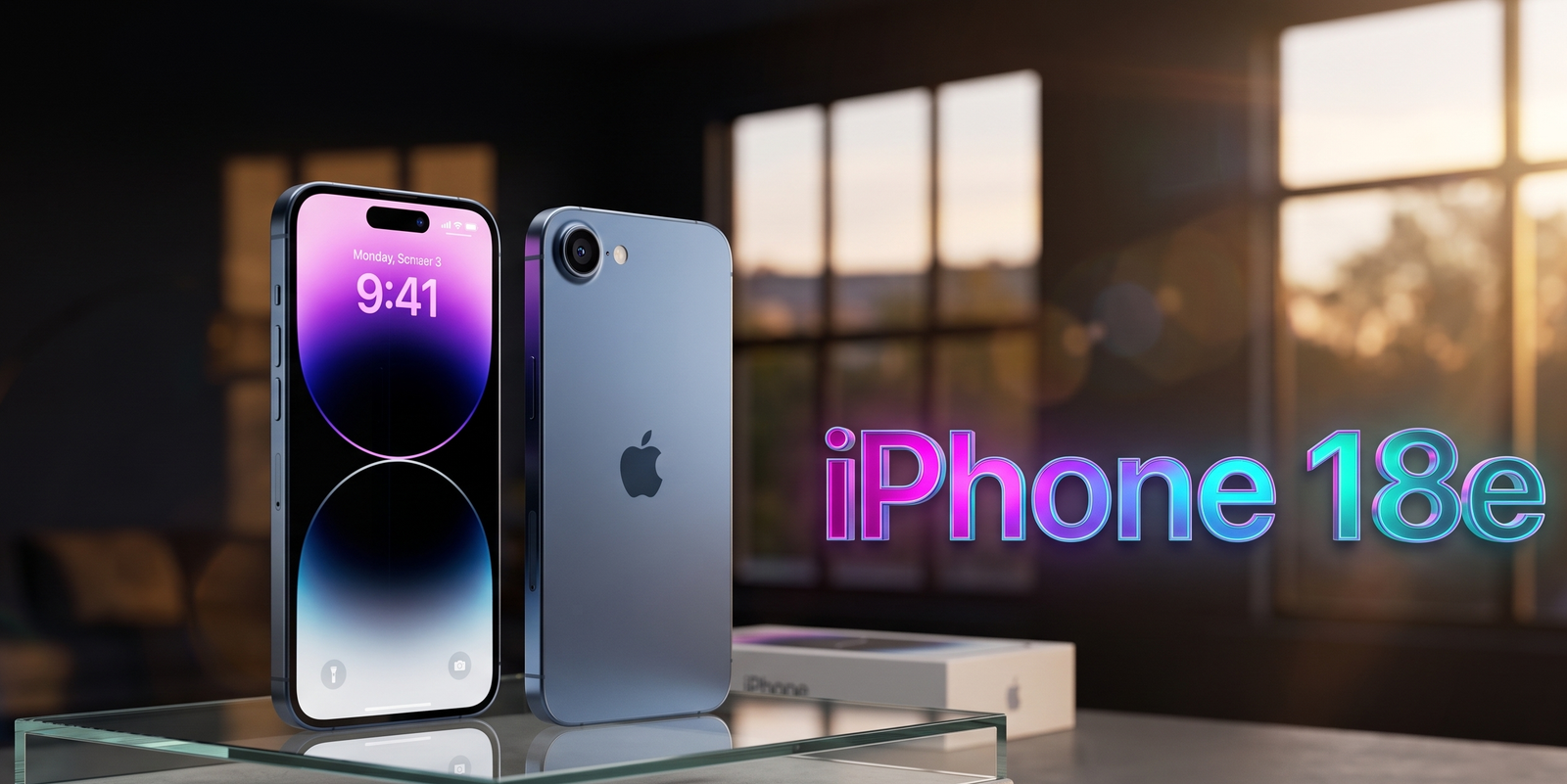
In the meantime, the 2027 smartphone market is shaping up to be fiercely competitive across all price points. Budget-conscious consumers will have excellent options like the upcoming iPhone 18e, while power users looking for cutting-edge design will undoubtedly flock to the iPhone 19 Pro.
The Final Verdict: Is It Worth the Wait?
Apple killing the Dynamic Island represents a massive shift in iOS UI philosophy. For the past several years, app developers have been forced to design their interfaces around a massive black pill cutout. By migrating to iPhone 19 Pro under-display Face ID technology, users will finally be able to watch 21:9 movies, play immersive mobile games, and edit high-resolution photos without a persistent black bar intruding on their content.
If you are currently deciding whether to upgrade your iPhone this year or wait, the upcoming design changes in 2027 represent the largest physical leap for the iPhone since the removal of the physical Home Button. The combination of a quad-curved, bezel-free OLED panel and a minimalist hole-punch camera will undoubtedly make the iPhone 19 Pro the most stunning piece of hardware Apple has ever produced. Start saving now, because the true all-screen iPhone is finally on the horizon.