Best Carrier Phone Deals for Existing Customers vs Switchers in November 2026
The US wireless market operates on a deeply frustrating contradiction: loyalty is rarely rewarded. If you have faithfully paid your cellular bill to the same carrier for the past five years, you are actively losing money. As we enter the intense November 2026 holiday shopping season, AT&T, T-Mobile, and Verizon are unleashing their most aggressive promotional war chests of the year. However, the multi-billion-dollar marketing budgets are not designed to thank you for your loyalty; they are strictly designed to poach customers from rival networks.
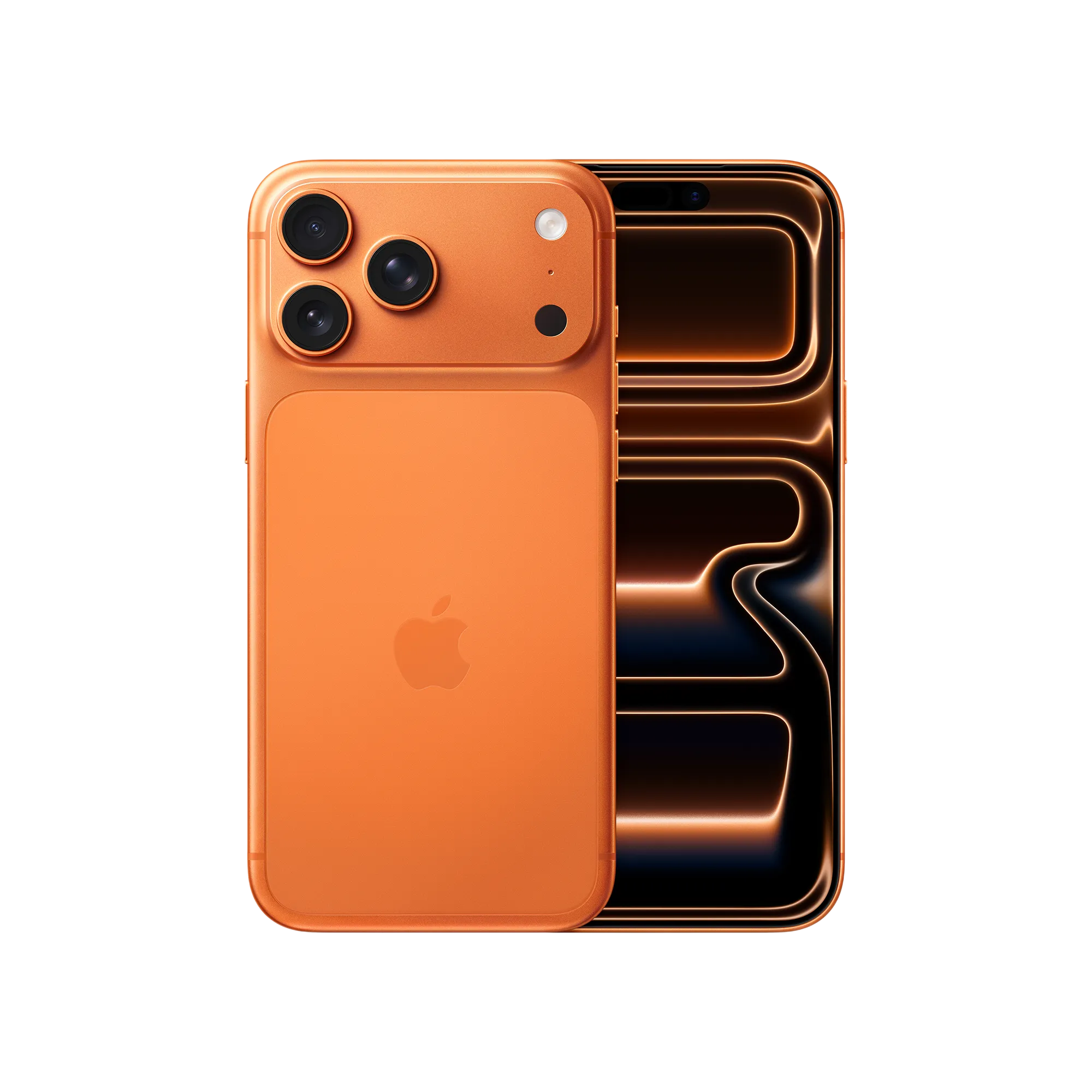
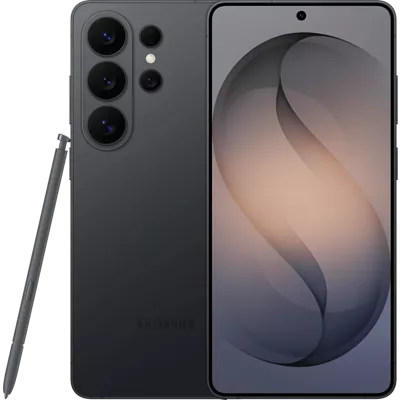
This dynamic creates two entirely different economic realities heading into Black Friday. If you are a "Switcher" willing to port your phone number to a new carrier, you hold all the leverage and can secure flagship hardware like the iPhone 18 Pro or Galaxy S26 Ultra for zero out-of-pocket hardware costs. Conversely, if you are an existing customer simply looking to upgrade a cracked phone, you will likely face the dreaded "Loyalty Penalty," where carriers slash your trade-in credits unless you agree to an expensive plan hike.
If you are navigating the chaotic November 2026 telecom landscape, you must understand the financial mechanics behind these promotions before you sign a 36-month contract. Here is our comprehensive, data-driven comparison of the best carrier deals for both switchers and existing customers, the hidden costs of smartwatch bundles, and the definitive negotiation strategy to lower your bill before Black Friday.
The Switcher Advantage: Who Offers the Best Port-In Incentives?
Wireless carriers track their corporate success through a metric called "Postpaid Phone Net Additions." To artificially inflate these numbers for Wall Street, the Big Three offer incredible bounties for your phone number. If you are willing to switch networks, you are the most valuable asset in the telecom industry today.
Verizon: The "Any Condition" Guarantee
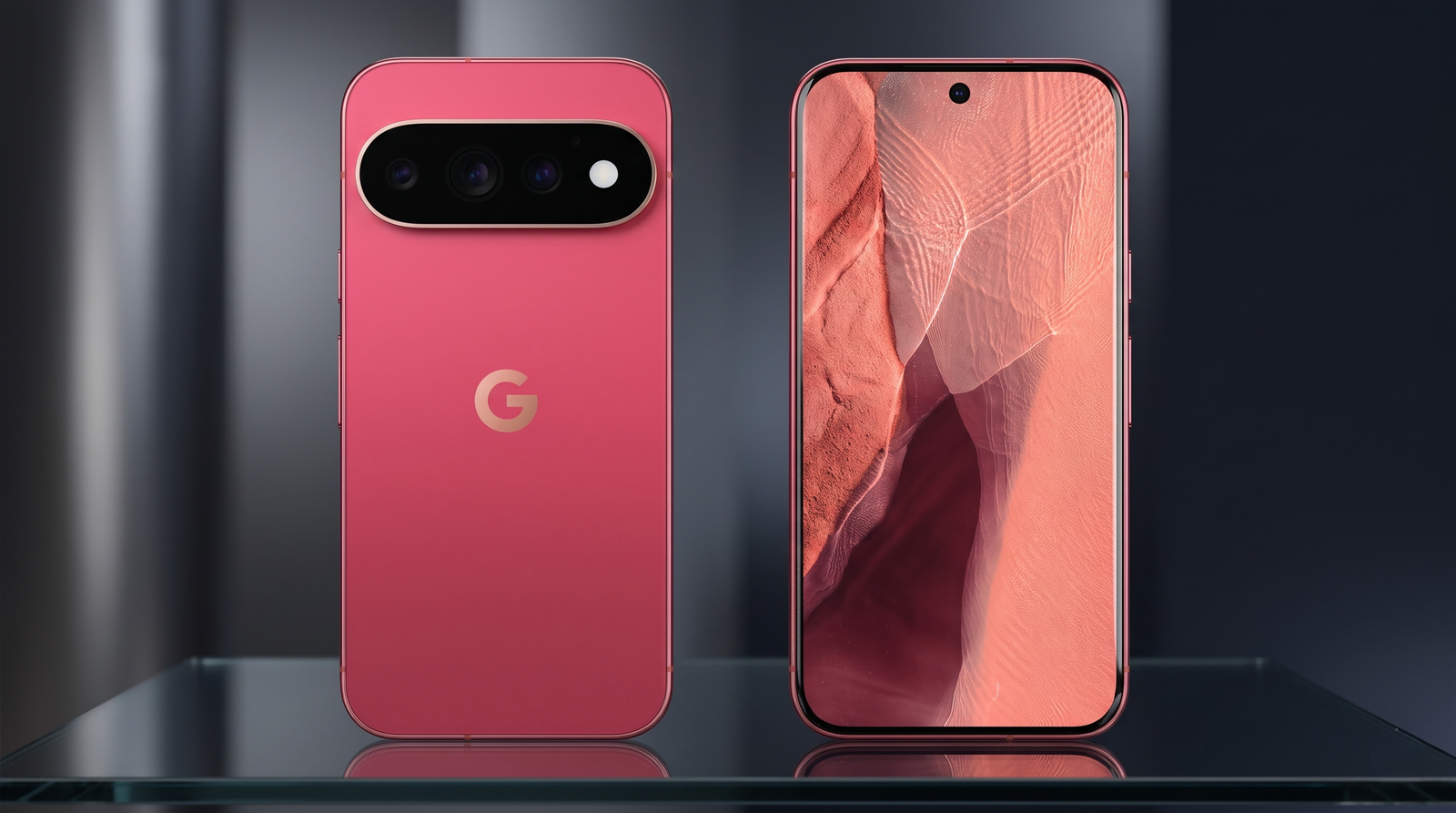
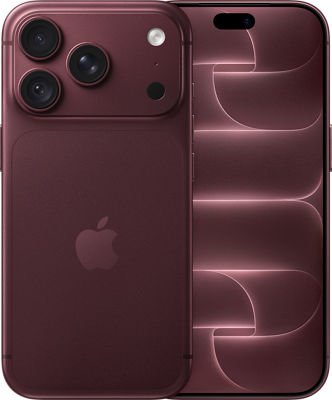
Verizon is currently leading the aggressive acquisition war. To lure switchers, they have launched the ultimate safety net: a guaranteed $1,000 trade-in credit for any iPhone or Galaxy device, in any condition. You can literally hand a Verizon representative an iPhone 12 with a shattered screen, water damage, and a degraded battery. As long as the device powers on and you port your number to their premium Unlimited Ultimate plan, Verizon will wipe out the entire cost of a base iPhone 18 Pro or Pixel 11 Pro XL. Furthermore, Verizon is offering additional $200 digital gift cards (Target or Amazon) exclusively for switchers who complete the port-in process online.
T-Mobile: The Buyout Strategy
T-Mobile’s switcher strategy revolves around minimizing your financial friction. If you want to leave AT&T or Verizon but you still owe $600 on your current phone installment plan, T-Mobile’s "Keep & Switch" program will pay off your remaining balance (up to $800) via a prepaid Mastercard. If you want a new device, porting your number to T-Mobile’s top-tier 2026 Picks or Go5G Next plans unlocks $1,000 in trade-in credits, heavily subsidizing the cost of new hardware.
The Loyalty Penalty: Best Deals for Existing Customers
If you absolutely refuse to switch carriers because you love your current network coverage, securing a flagship phone requires carefully navigating the upgrade restrictions.
AT&T: The Undisputed Champion of Existing Customers
AT&T is the only major US carrier that fundamentally rejects the "Loyalty Penalty." Their entire corporate marketing strategy is built around a single promise: "New and existing customers get the exact same deals." If you have been with AT&T for a decade, you can secure the full $1,000 trade-in credit toward a Galaxy S26 Ultra without having to open a new line or change your phone number. The only requirement is that you maintain an eligible Unlimited plan (such as Unlimited Premium or Extra) and trade in a device that holds a base value of at least $95.
T-Mobile and Verizon: The Forced Upgrade Trap
If you are an existing customer on T-Mobile or Verizon, upgrading is a dangerous game. Both carriers heavily gatekeep their $1,000 hardware credits. If you are on an older, cheaper grandfathered plan (like T-Mobile’s Magenta or Verizon’s Play More), you will only be offered $200 to $300 in upgrade credits. To get the "Free" iPhone 18 Pro, they will force you to migrate to their newest, most expensive 2026 unlimited plans. This often raises your monthly bill by $10 to $15 per line, completely negating the financial value of the "free" phone over a 36-month period.
Side-by-Side Comparison: AT&T vs T-Mobile vs Verizon
To help you visualize exactly where you stand this November, here is the current promotional layout for both switchers and loyalists across the Big Three:
| US Carrier | Best Switcher Deal (Port-In) | Best Existing Customer Deal (Upgrade) | The Mandatory Plan Requirement |
|---|---|---|---|
| AT&T | $1,000 Off w/ Trade-In | $1,000 Off w/ Trade-In | Unlimited Extra EL or Premium PL. (No forced migrations for existing premium users). |
| T-Mobile | $1,000 Off + Contract Buyout | Up to $800 Off (Highly Restricted) | Must be on Go5G Next or top-tier 2026 Picks plan. Older plans get minimal credit. |
| Verizon | $1,000 Off (Any Condition Trade) | Targeted Loyalty Offers Only | Unlimited Ultimate required for max switcher credit. Upgrades require MyPlan migrations. |
Swipe sideways to see all table columns →
- Best Switcher Deal (Port-In)
- $1,000 Off w/ Trade-In
- Best Existing Customer Deal (Upgrade)
- $1,000 Off w/ Trade-In
- The Mandatory Plan Requirement
- Unlimited Extra EL or Premium PL. (No forced migrations for existing premium users).
- Best Switcher Deal (Port-In)
- $1,000 Off + Contract Buyout
- Best Existing Customer Deal (Upgrade)
- Up to $800 Off (Highly Restricted)
- The Mandatory Plan Requirement
- Must be on Go5G Next or top-tier 2026 Picks plan. Older plans get minimal credit.
- Best Switcher Deal (Port-In)
- $1,000 Off (Any Condition Trade)
- Best Existing Customer Deal (Upgrade)
- Targeted Loyalty Offers Only
- The Mandatory Plan Requirement
- Unlimited Ultimate required for max switcher credit. Upgrades require MyPlan migrations.
Trade-In Conditions: Fixing Your Screen Might Be Necessary
With the exception of Verizon's highly aggressive "Any Condition" switcher promotion, the physical state of your trade-in device is the most critical factor in securing these deals. AT&T, in particular, operates on a strict valuation threshold. To get the $1,000 credit for an iPhone 18 Pro Max, your trade-in device must hold a base market value of at least $95.
If you own a pristine iPhone 14 Pro, you easily clear that hurdle. However, if that same iPhone 14 Pro has a shattered front screen or a cracked back glass, its base valuation plummets below $95, instantly disqualifying you from the $1,000 credit tier and dropping you into the $350 credit tier.
The Strategy: If your screen is cracked but the internal logic board is fine, go to a local UBreakiFix or third-party repair shop and spend $120 to fix the glass out of pocket before taking it to AT&T. Spending $120 on a screen repair restores the phone's value, elevating your carrier credit from $350 back up to $1,000. That is a net gain of $530 simply for fixing your screen first.
Watch and Earbud Bundles: The Hidden 36-Month Trap
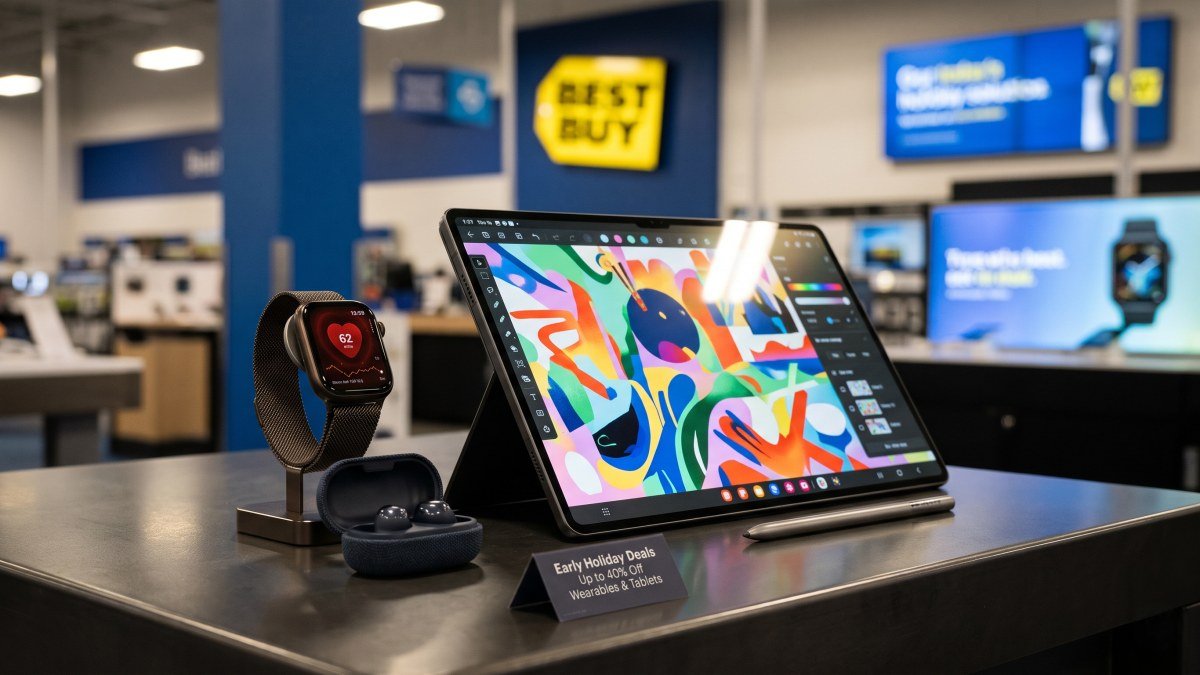
During the November 2026 sales event, carriers are heavily marketing ecosystem bundles. As we detailed in our guide exposing the T-Mobile free smartwatch deals, promotions offering a "Free" Apple Watch SE 3 or Pixel Watch 5 are never truly free.
When you accept a promotional watch or cellular tablet, the carrier legally requires you to activate a dedicated data line for that device. For modern smartwatches, this costs $15 per month. Because carrier bill credits are strictly dispensed over 36 months, you are committing to paying that $15 fee for three years. $15 multiplied by 36 months equals $540. You are essentially financing the full retail price of the watch; the carrier is just disguising it as a mandatory service fee.
Earbud bundles (like AirPods Pro or Galaxy Buds3) are slightly safer, as they do not require cellular lines, but they are often subsidized via strict mail-in rebates or prepaid debit cards that take up to 8 weeks to arrive.
Pros and Cons of Locking Into a New Plan
Before you execute any carrier upgrade, you must look at the long-term cost after the bill credits end. The era of the 24-month contract is dead; all three major US carriers now utilize 36-month installment agreements.
The Pros: By locking into a 36-month agreement on a premium plan, you insulate yourself from paying $1,200 upfront for hardware. You also gain massive network perks, including high-speed hotspot data, seamless international roaming in Canada and Mexico, and prioritized network access in crowded stadiums.
The Cons: You surrender your financial flexibility. If your carrier unexpectedly raises their administrative fees (as they frequently do, a topic currently under scrutiny by the FCC ahead of the 2027 spectrum auctions), you cannot easily leave. Canceling your service before month 36 instantly voids all remaining promotional credits, and the full remaining balance of the device becomes immediately due.
Negotiation Tactics: How to Trigger Retention Offers
If you are an existing T-Mobile or Verizon customer frustrated by the lack of upgrade options, you do not have to accept the retail price. You can bypass the standard retail representatives and negotiate directly with the carrier’s executive retention department.
The "Port-Out PIN" Strategy: Frontline customer service agents have no authority to give you special deals. To speak to someone who does, log into your carrier app and request a "Number Transfer PIN" (or Port-Out PIN). This is the digital code required to move your phone number to a rival network. Requesting this PIN instantly flags your account in the carrier’s algorithmic system as a high flight risk.
Within 24 to 48 hours, you will typically receive an automated text message or a phone call from the carrier's dedicated Retention or Loyalty Department. These highly trained agents have specialized authority to offer unadvertised deals, such as $800 off a new phone without forcing you to change your grandfathered plan, or a flat $20 monthly discount on your overall bill just to stay. Be polite, firmly state that you are moving to AT&T because of their better upgrade promos, and ask if they can match the hardware discount to keep your business.
The Final Verdict: Who Wins November 2026?
As we approach the official Black Friday date of November 27, the carrier landscape is divided into three distinct categories of shoppers:
1. For Existing Customers: AT&T is the runaway victor. By respecting their loyal subscriber base and offering the exact same $1,000 flagship subsidies they offer to new recruits, AT&T provides the most stress-free upgrade path in America.
2. For Switchers: Verizon holds the ultimate leverage. Their willingness to accept heavily damaged, older phones for a full $1,000 credit makes them the perfect landing zone for anyone desperate to escape a shattered screen or a failing battery.
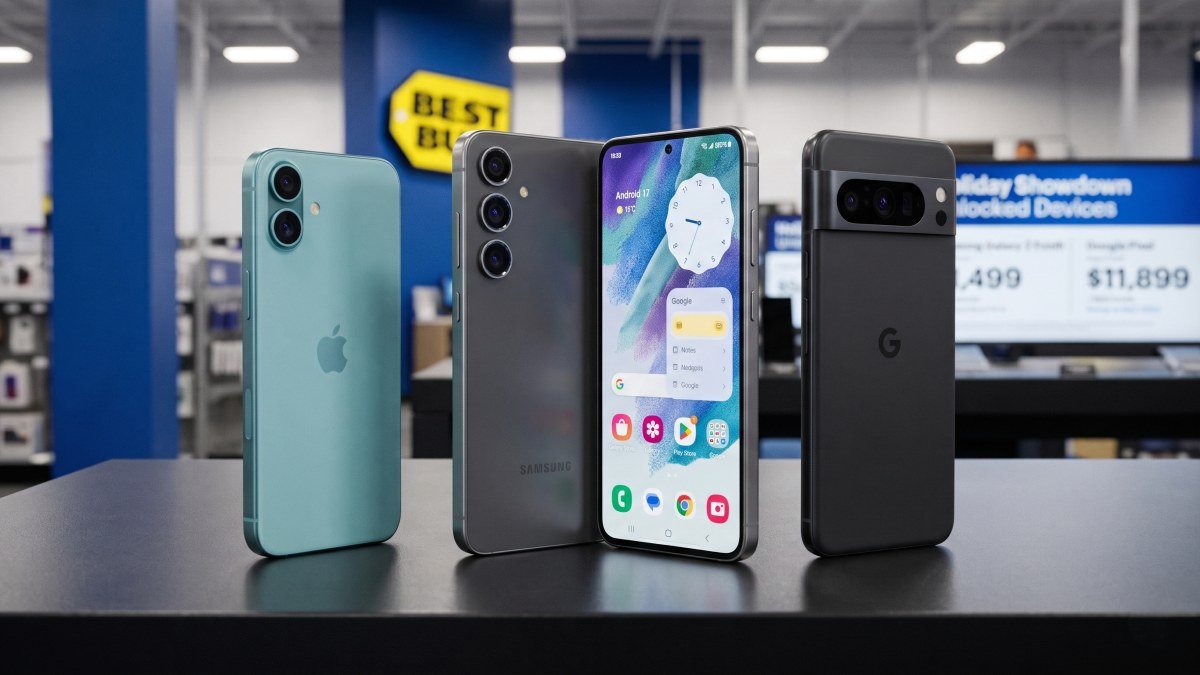
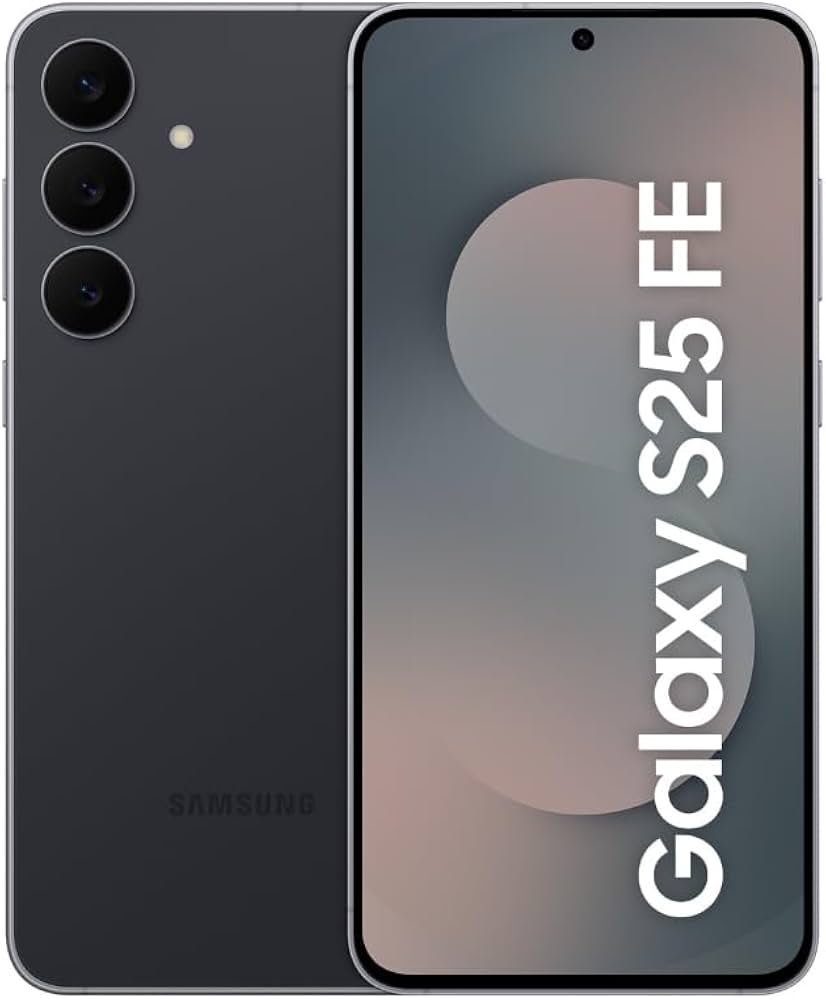
3. For Budget Seekers: Avoid the Carriers entirely. If you despise the 36-month lock-in and the $90 unlimited plans, your smartest financial move is to buy an unlocked iPhone 16e or Galaxy S26 FE from Best Buy. Pair it with a $15/month prepaid MVNO plan, and you will save thousands of dollars over the next three years while retaining absolute control over your digital life.