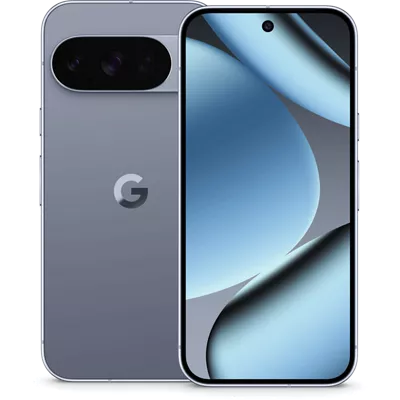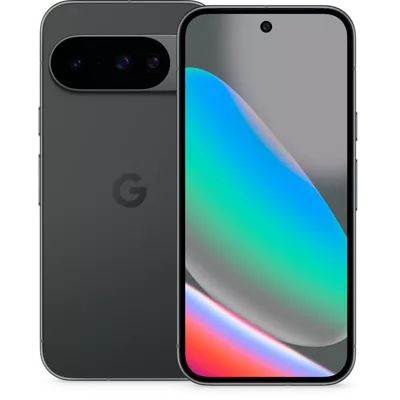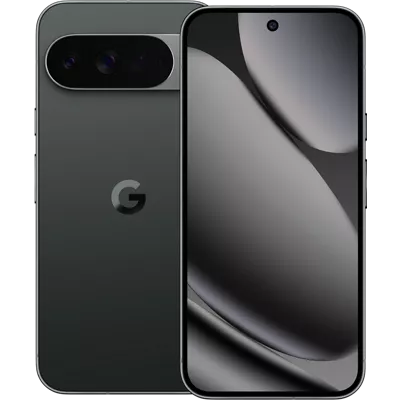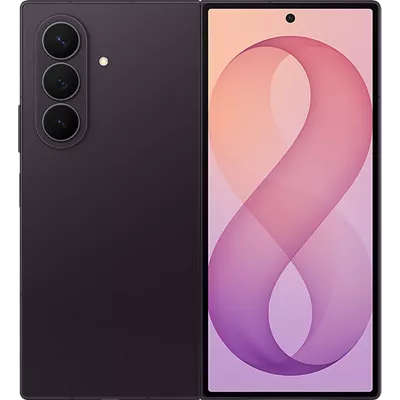
Galaxy S27 Ultra Leaks Reveal an Ultra-Thin 1.28mm Bezel—Did Samsung Just Kill the iPhone Display?
For smartphone purists, the pursuit of the perfect, edge-to-edge display is a never-ending obsession. Every millimeter shaved off a phone's frame represents a triumph of modern engineering. In the ongoing screen-to-body ratio war between Apple and Samsung, the upcoming 2027 flagship cycle is about to get highly competitive. The latest leaks surrounding the Samsung Galaxy S27 Ultra suggest the Korean tech giant is pushing display aesthetics to their absolute physical limits.
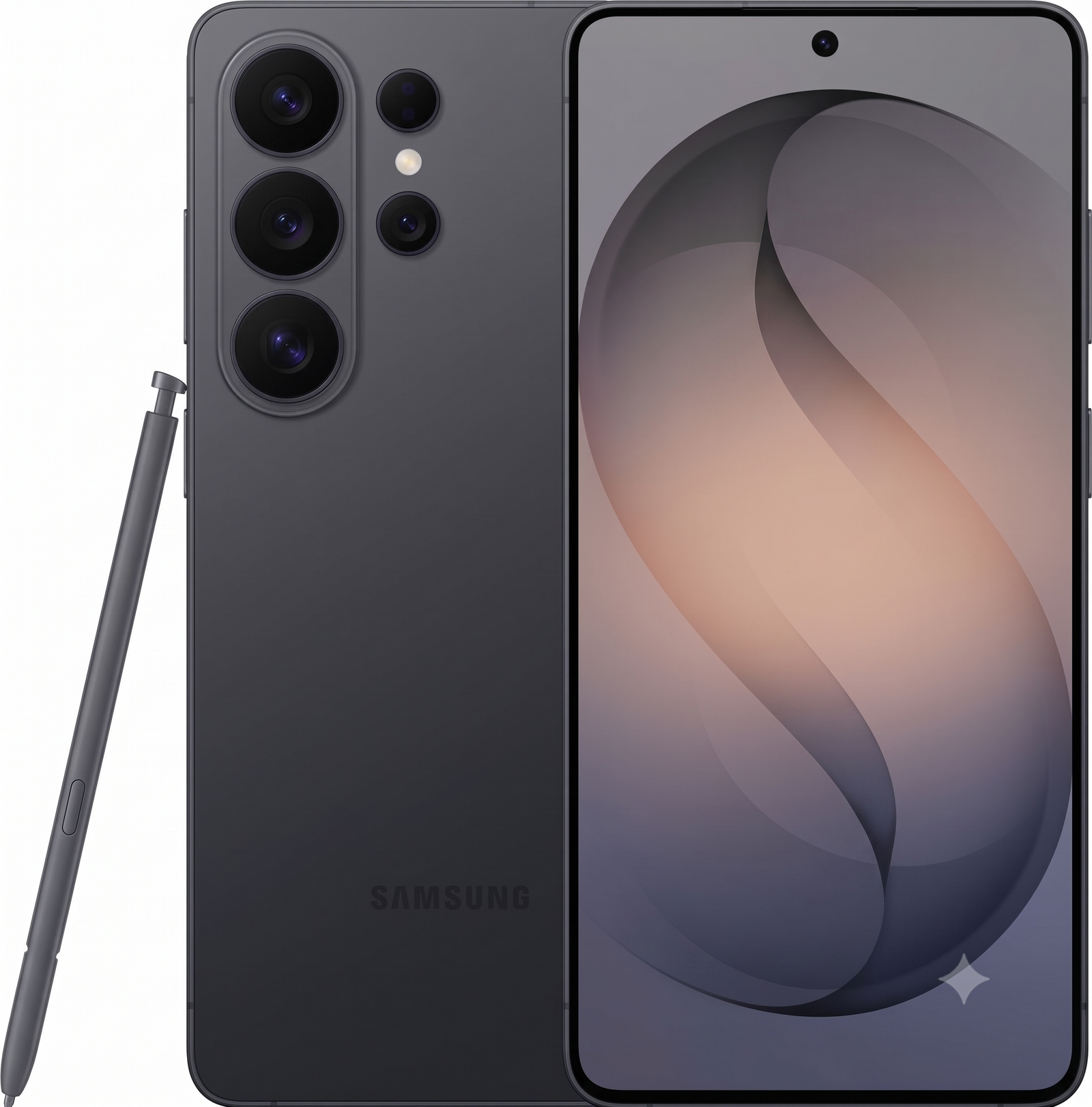
According to highly credible supply chain data from renowned tipster Ice Universe, Samsung has managed to shrink the bezels on its upcoming premium device to a razor-thin 1.28mm. While this sounds like a massive win for screen symmetry, it comes with a physical trade-off on the back of the device.
Here is a complete breakdown of the newly leaked Galaxy S27 Ultra dimensions, why the camera bump is growing, and whether Samsung has successfully dethroned the iPhone 18 Pro Max in the battle for display supremacy.
The 1.28mm Bezel Breakdown
When you are staring at a massive 6.9-inch AMOLED display, the black border surrounding the glass dictates how immersive the content feels. Samsung is taking its already premium design language and refining it to the extreme.
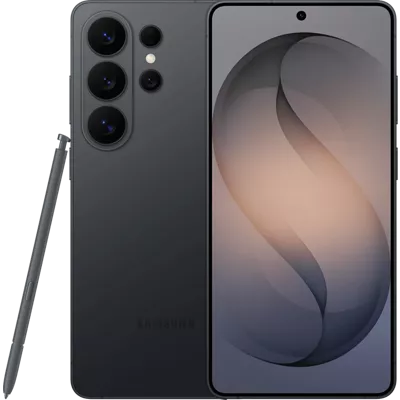
The leak confirms that the Galaxy S27 Ultra will feature 1.28mm display bezels. To put this in perspective, the current Galaxy S26 Ultra features 1.32mm bezels.
While a reduction of 0.04mm is barely noticeable to the naked eye, the psychological and marketing impact is massive. By shaving down the borders, the Galaxy S27 Ultra will maintain its expansive flat-display profile without increasing the overall footprint of the phone. When paired with the rumored next-generation AMOLED materials, this nearly borderless aesthetic could make current iPhones look noticeably dated by comparison.
However, Samsung isn't the only one chasing the zero-bezel dream. Chinese competitors like the Xiaomi 18 Pro Max are aggressively attempting to break the 1mm barrier, meaning Samsung must rely on its superior display brightness and color science to maintain the crown.
The Trade-Off: A Chunkier 4.69mm Camera Bump
While the front of the Galaxy S27 Ultra is getting slimmer, the back of the phone is heading in the exact opposite direction. You cannot pack massive optics into a chassis without needing physical space for the lenses to breathe.
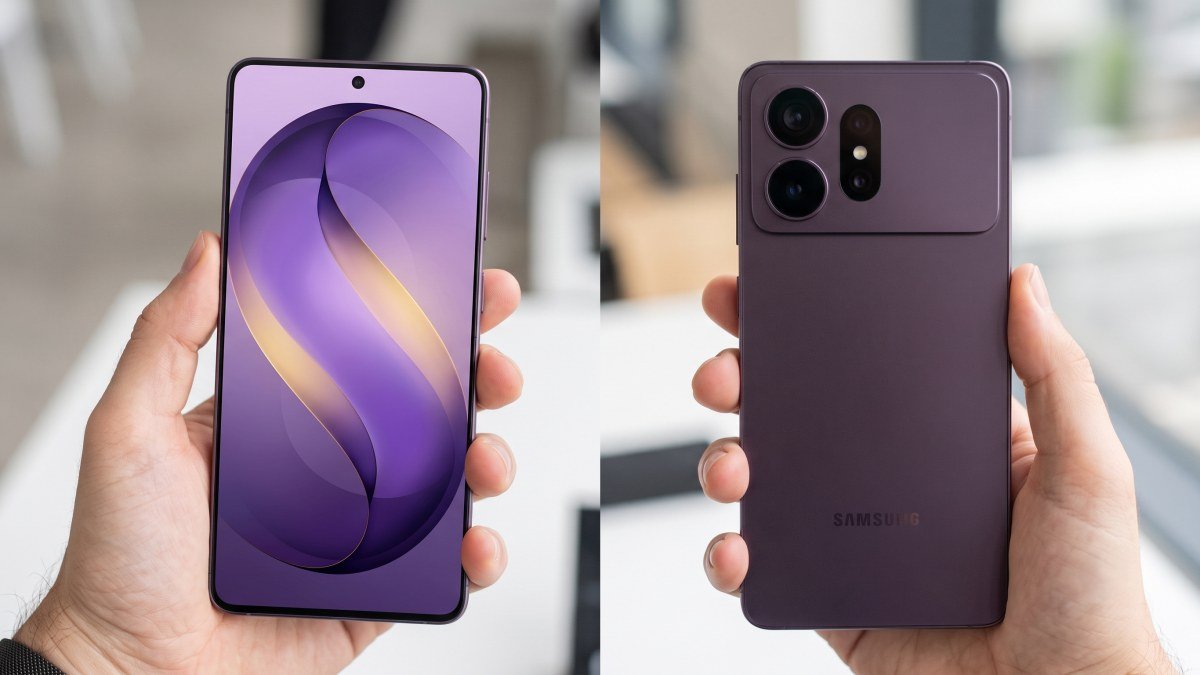
The leaks indicate that the Galaxy S27 Ultra will feature a thicker 4.69mm camera bump. This is a noticeable increase from the roughly 4.5mm to 4.6mm housing found on the S26 Ultra.
Why is the bump growing? It comes down to sensor technology. Earlier supply chain leaks point to Samsung utilizing a brand-new ISOCELL HP6 sensor for the main camera. While it retains a massive 1/1.28-inch optical format, the physical architecture of the sensor may be slightly thicker to accommodate advanced light-gathering capabilities.
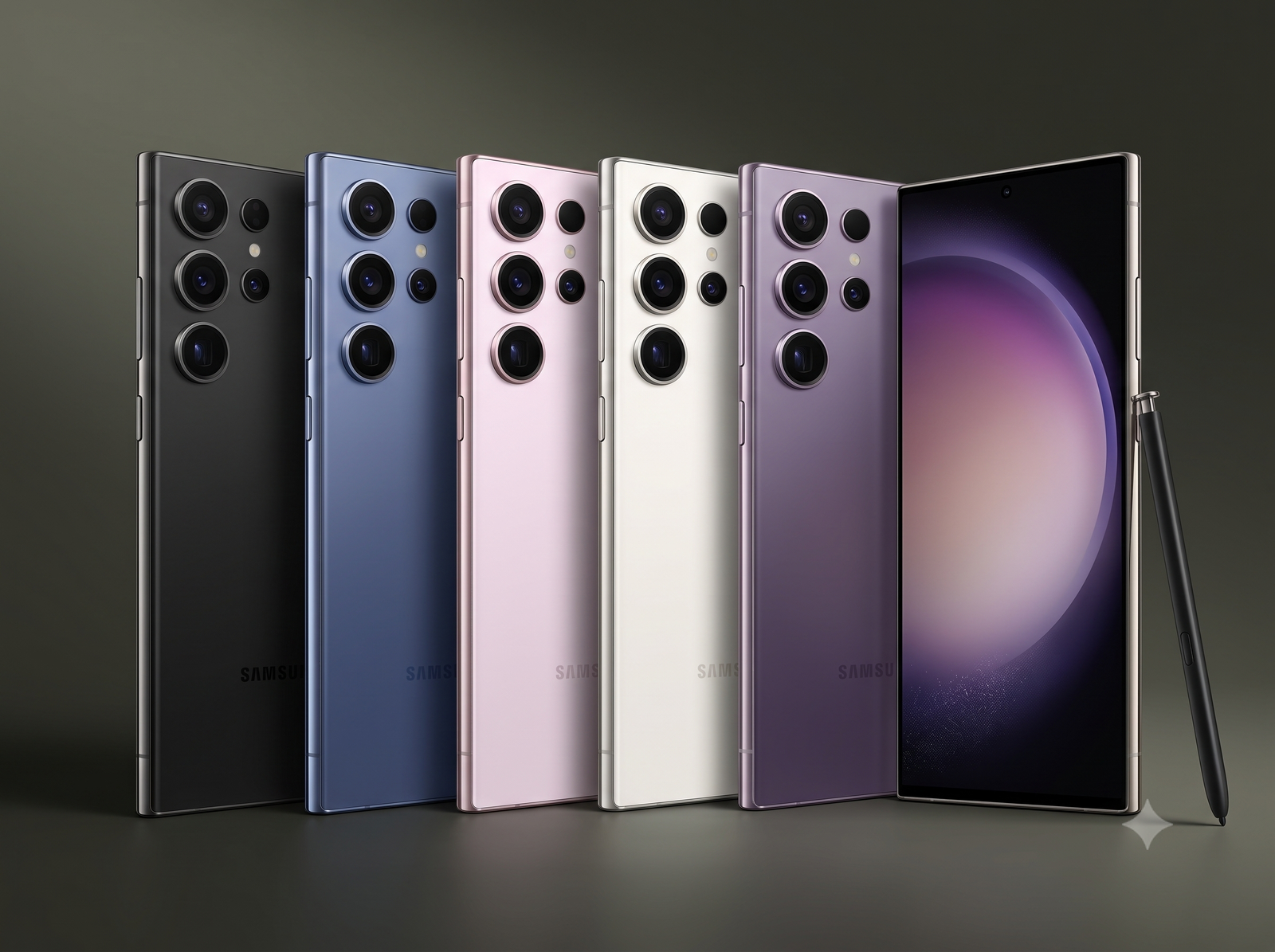
Furthermore, rumors suggest a radical design shift for the camera array itself. Rather than sticking with the familiar vertical floating lenses, Samsung may transition to a large, horizontal, rectangular camera plateau. This would mark the most significant visual overhaul to the Ultra lineup in years, potentially solving the frustrating "table wobble" issue that plagues modern flagships.
Chassis Thickness and Weight
Despite the massive battery and growing camera hardware, Samsung's engineering team is keeping the overall chassis remarkably slim.
The main body of the Galaxy S27 Ultra is expected to measure just 7.9mm thick. When you combine the chassis with the 4.69mm camera bump, the thickest point of the phone will sit right around 12.5mm to 12.6mm.
Surprisingly, the device is expected to weigh in at a highly manageable 218 grams. This is a triumph of titanium engineering, ensuring that a 6.9-inch powerhouse doesn't feel like a heavy brick in your pocket.
Did Samsung Just Kill the iPhone Display?
For tech enthusiasts who demand edge-to-edge perfection, the Galaxy S27 Ultra is shaping up to be a visual masterpiece. By shrinking the bezels to 1.28mm, Samsung is maximizing the 6.9-inch canvas for mobile gamers, digital artists using the S Pen, and power users leveraging heavy multitasking features.
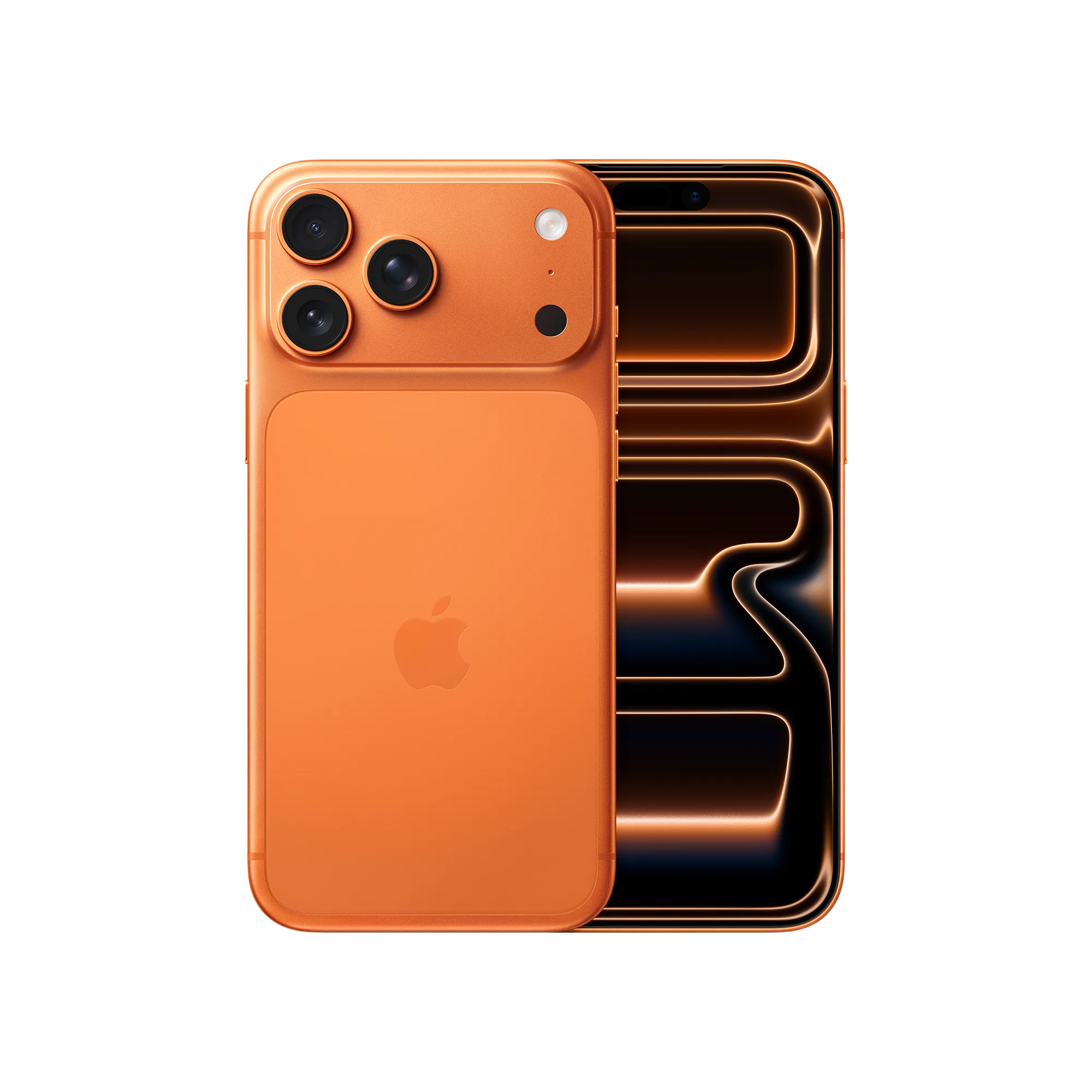
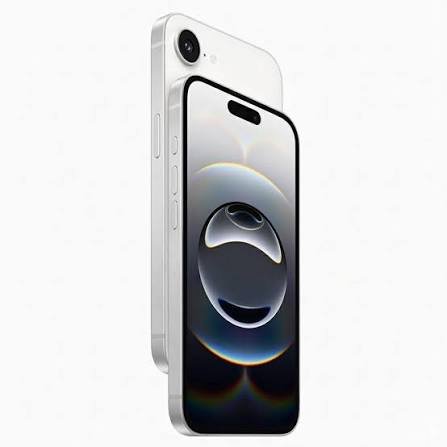
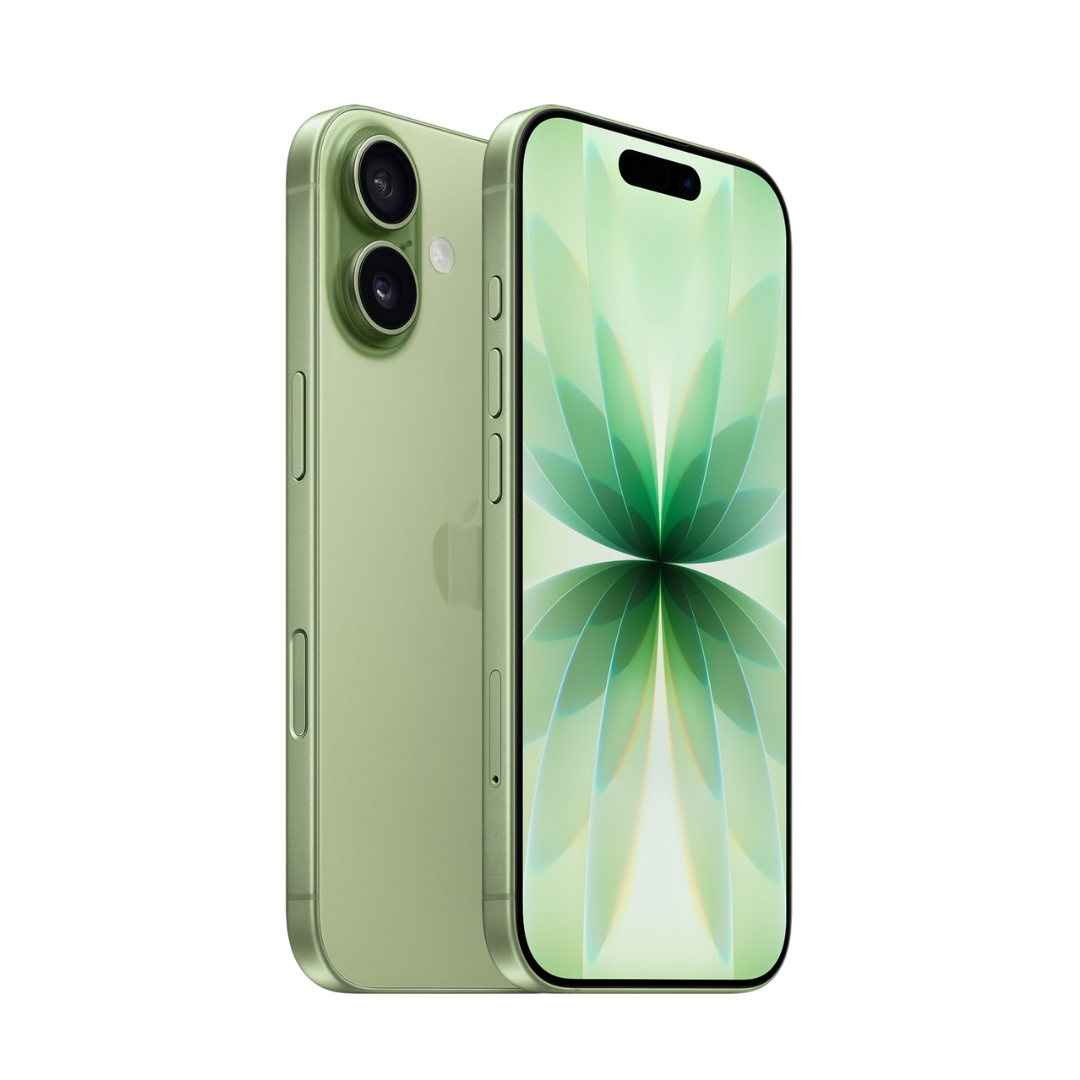
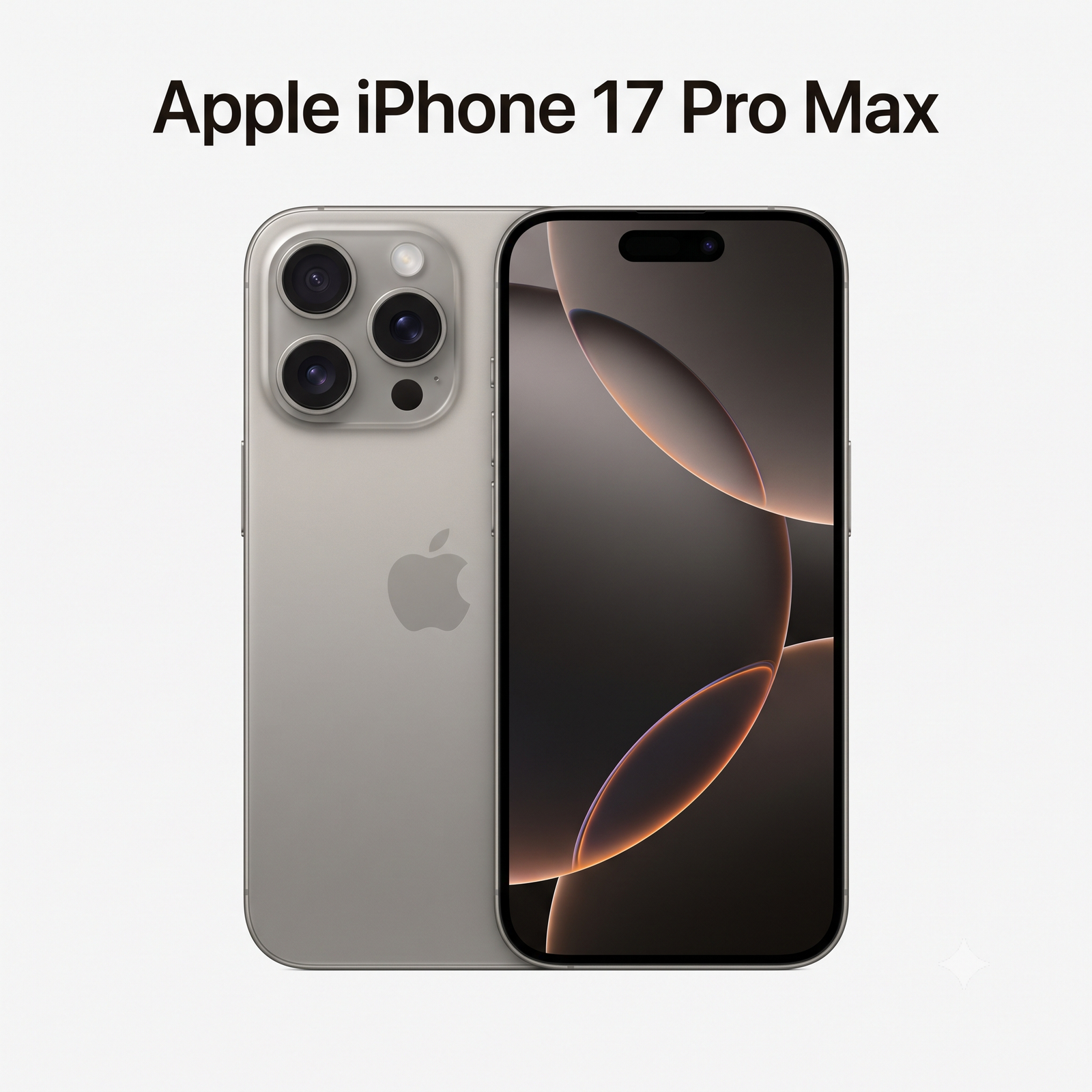
While Apple’s iPhone 18 Pro Max offers an incredible Super Retina XDR display, the presence of the Dynamic Island cutout inherently disrupts screen symmetry. Samsung's microscopic hole-punch camera and razor-thin borders provide a much cleaner, uninterrupted viewing experience.
If you are waiting to see how this bezel-less beauty performs in the real world, the phone is expected to launch in Q1 2027. Until then, you can monitor current flagship discounts on our best phone deals in the USA hub. For more deep dives into the latest smartphone design leaks and hardware wars, bookmark the DevDuniya tech blogs!