iPhone Duo Early Buyer Issues and Hinge Reports – What Pixel Fold Owners Should Know Before Switching
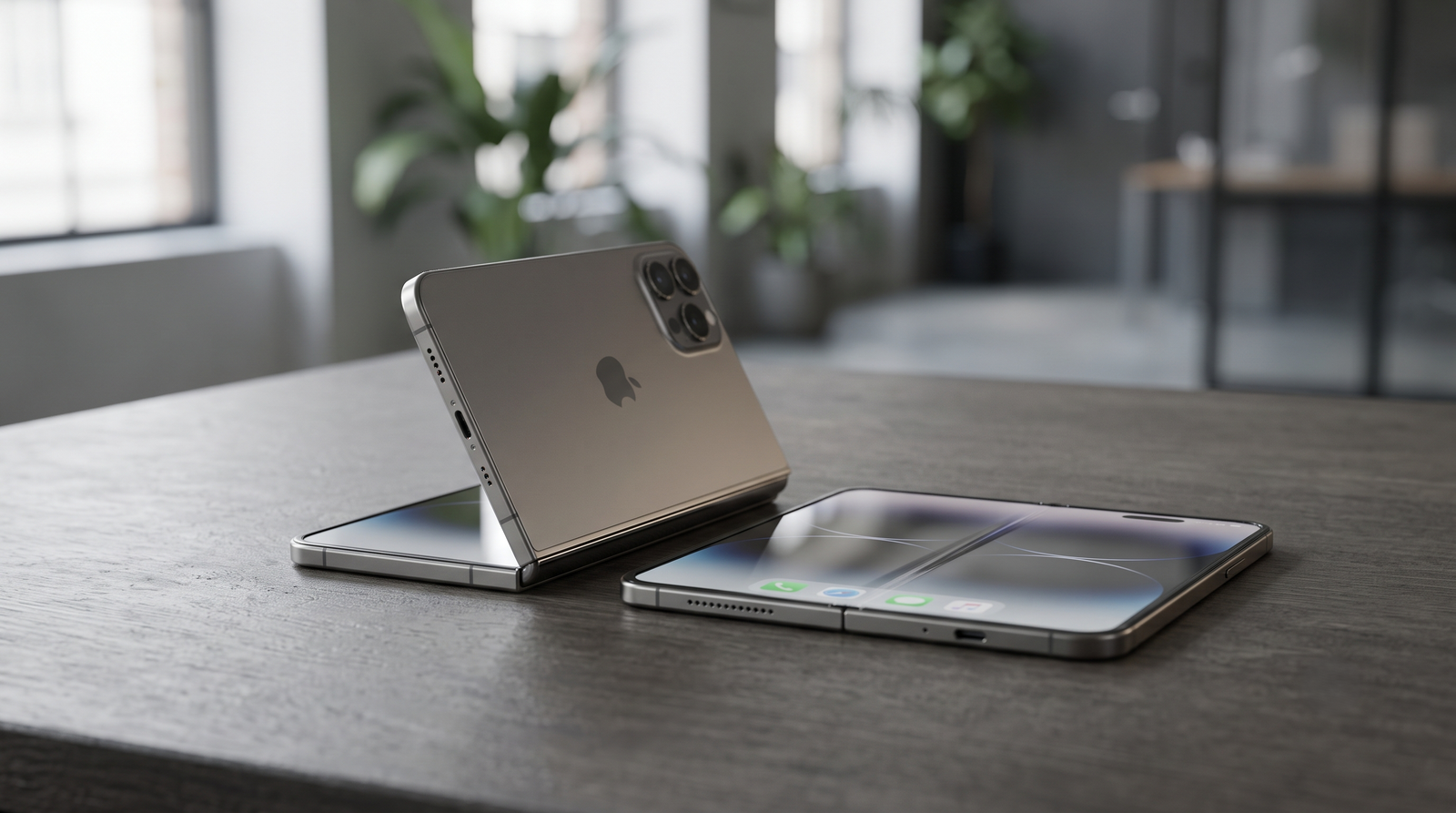
For the past few years, the premium foldable smartphone market in the United States has been a two-horse race between Samsung and Google. But with the recent October 23, 2026 launch of the highly anticipated $1,999 Apple iPhone Duo, the landscape has shifted dramatically. Apple’s entrance into the foldable space was supposed to be the definitive moment that legitimized the form factor, bringing millions of iOS users into the folding era. Naturally, many current Android foldable users—specifically those holding the Google Pixel 11 Pro Fold—have been eyeing trade-in offers, wondering if the grass is truly greener in the Apple ecosystem.
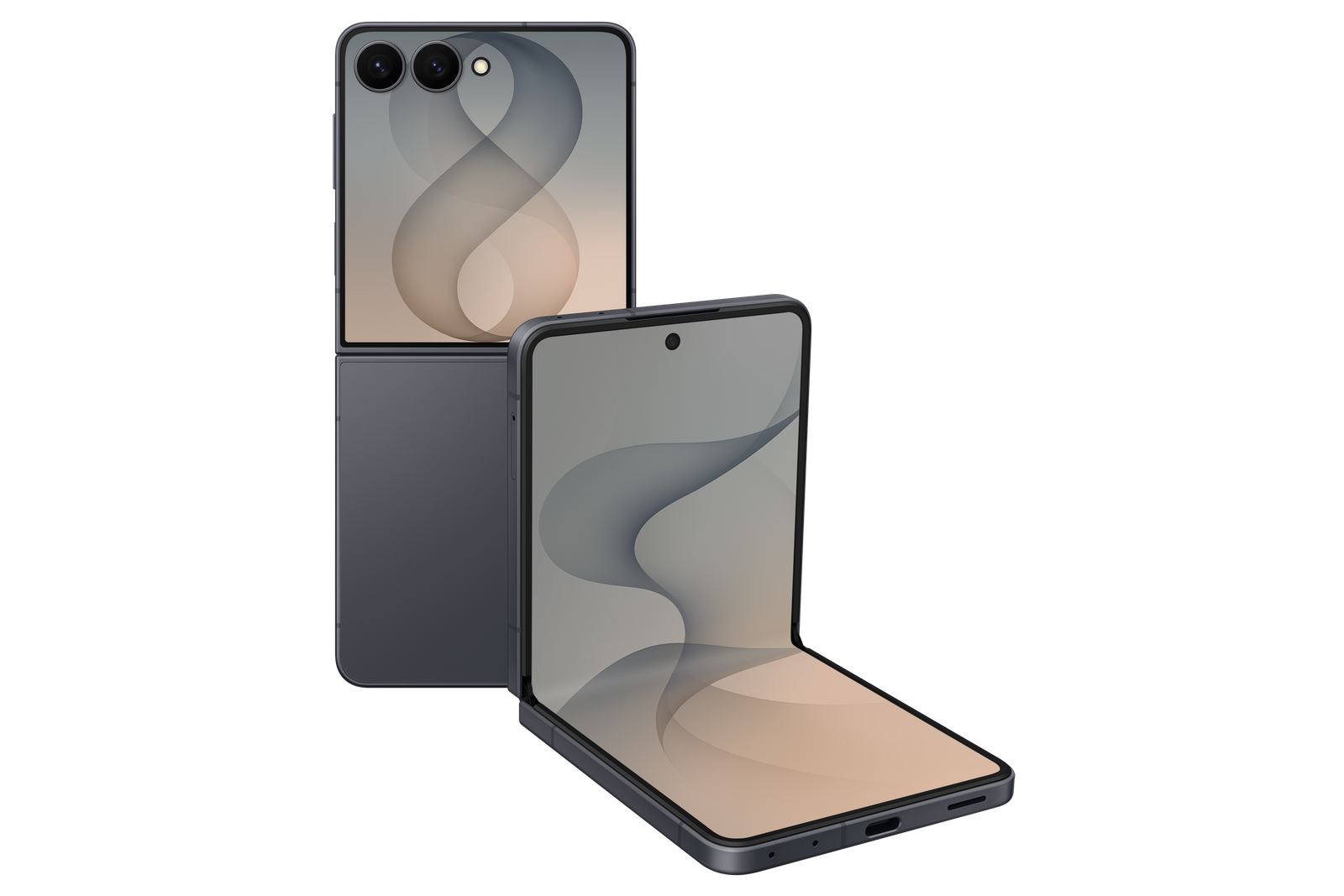
However, the honeymoon phase for Apple's first foldable is ending violently. Just days after the massive global launch, early adopters and tech reviewers are flooding social media with horrific reports of the iPhone Duo failing in spectacular fashion. What started as isolated complaints has rapidly escalated into a full-blown hardware crisis, with users reporting catastrophic inner display damage stemming directly from a severe hinge defect.
If you are a current Pixel Fold owner experiencing severe FOMO (Fear Of Missing Out) and are considering abandoning Google's hardware for Apple's shiny new toy, you need to hit the brakes. Before you commit to a $1,999 ecosystem switch, here is a comprehensive breakdown of the iPhone Duo early buyer issues and hinge reports, what is actually causing the screens to crack, and why keeping your Pixel 11 Pro Fold is the smartest move you can make right now.
The "Crackgate" Crisis: What is Failing on the iPhone Duo?
When you spend nearly two thousand dollars on a premium smartphone, you expect absolute perfection. Apple executives have historically criticized early Android foldables for feeling "cheap and crappy," leading consumers to believe the iPhone Duo would be structurally flawless. Unfortunately, the real-world reports are telling a very different story.
Across the dedicated iPhone Duo subreddit and various tech forums, a clear, repeatable pattern of destruction is emerging. According to early buyers, the device functions perfectly well out of the box. But within a few hours or days of use, users report feeling an "unusual tightness" or mechanical resistance when attempting to unfold the phone.
When users push past this sudden resistance, they report hearing an audible "crunching" or "cracking" sound emanating from the central hinge. Immediately following this horrific sound, the inner OLED display sustains permanent damage. Victims are reporting a bright white patch, a horizontal line bleeding across the right side of the screen, or a harsh vertical line running straight down the center crease. In almost all of these cases, the inner display completely loses touch responsiveness, rendering the tablet-sized screen completely useless. Furthermore, affected users insist their devices have never been dropped, exposed to extreme pressure, or mishandled in any way.
The iFixit Teardown: Uncovering the Hinge Defect
As the viral reports of broken screens multiplied—which we covered extensively in our iPhone Duo bend test and durability breakdown—independent hardware experts raced to find the root cause of the failure.
A recent teardown analysis by iFixit has identified a critical design flaw within the iPhone Duo's internal architecture. To achieve its ultra-thin profile, Apple utilized a complex internal rail and metal plate system (reportedly manufactured by supplier Fine M-Tec) to support the foldable OLED display. However, the teardown revealed that during the folding action, these internal rails can rise above nearby flat components. If they do not retract perfectly as intended, they physically press upward against the incredibly thin layers of the display from the inside.
Because several structural edges meet near the center of the hinge, this localized stress concentrates directly underneath the delicate display cable. When the user pushes past the hinge resistance, the internal rails essentially puncture or crush the display panel from the inside out. While component supplier Fine M-Tec has publicly denied that their metal plates are defective, the mechanical failure point is undeniable.
Rushed Production: Did Apple Lower Quality Assurance?
How did a company famous for its legendary quality control allow a defect this severe to reach consumers? The answer might lie in the overwhelming, unprecedented demand for the device.
When pre-orders opened on October 16, 2026, shipping estimates slipped into early 2027 within minutes. Apple was reportedly caught off guard by the demand and told suppliers to rapidly increase their first-year production targets by an astonishing 44%, from 9.7 million units up to 14 million units.
According to supply chain reports out of China, Apple may have lowered its strict quality inspection standards on the assembly line to ensure supply remained quick and uninterrupted. While this does not mean every single iPhone Duo is defective, loosening quality assurance significantly increases the probability that a misaligned hinge or a faulty internal rail slips through the cracks and lands in the hands of a paying customer. Apple has officially acknowledged the issue, stating that it affects a "small number" of units, and is offering free replacements to affected buyers. However, actually securing a replacement is currently a nightmare due to massive global stock shortages.
The $999 Repair Bill Anxiety
The most terrifying aspect of the iPhone Duo for any prospective buyer is the financial liability. If your screen cracks and Apple determines it was due to user error (such as a drop or a tiny piece of pocket sand trapped in the hinge) rather than a manufacturing defect, the out-of-warranty repair cost for the inner display is a staggering $999. In India, that exact same repair costs ₹1,49,900.
Carrying a phone that costs nearly two thousand dollars—with a repair bill that costs as much as a brand-new MacBook Air—creates extreme daily anxiety. It completely ruins the premium experience of using the device.
Why Pixel Fold Owners Should Stay Put
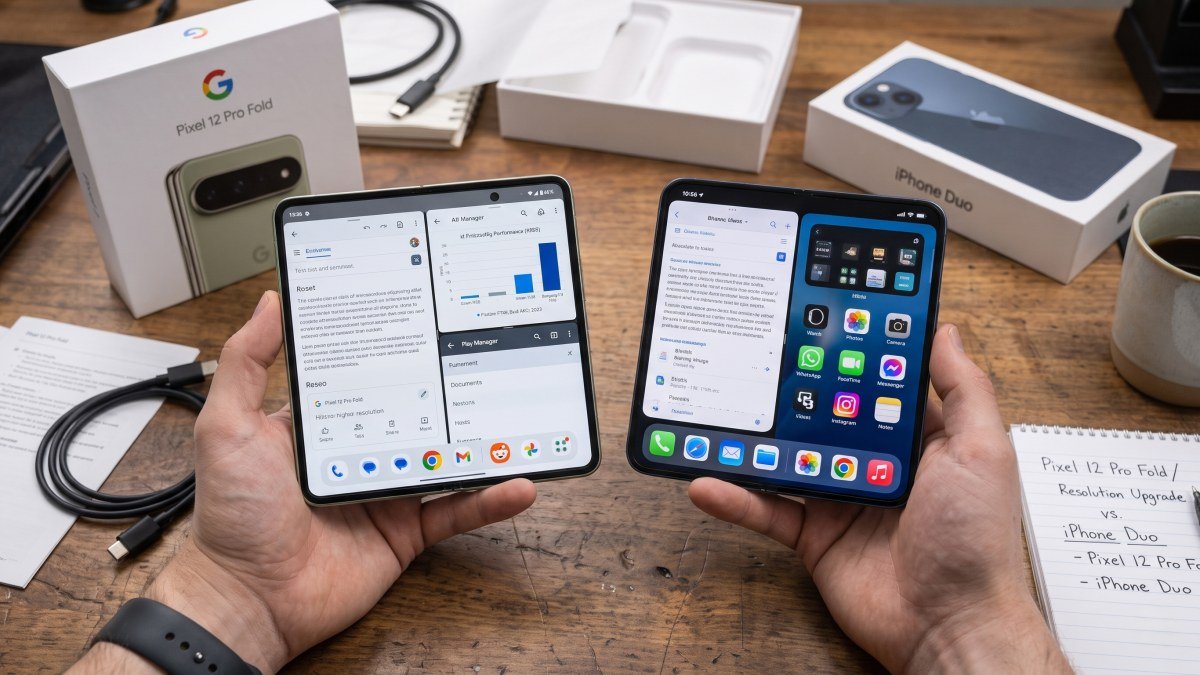
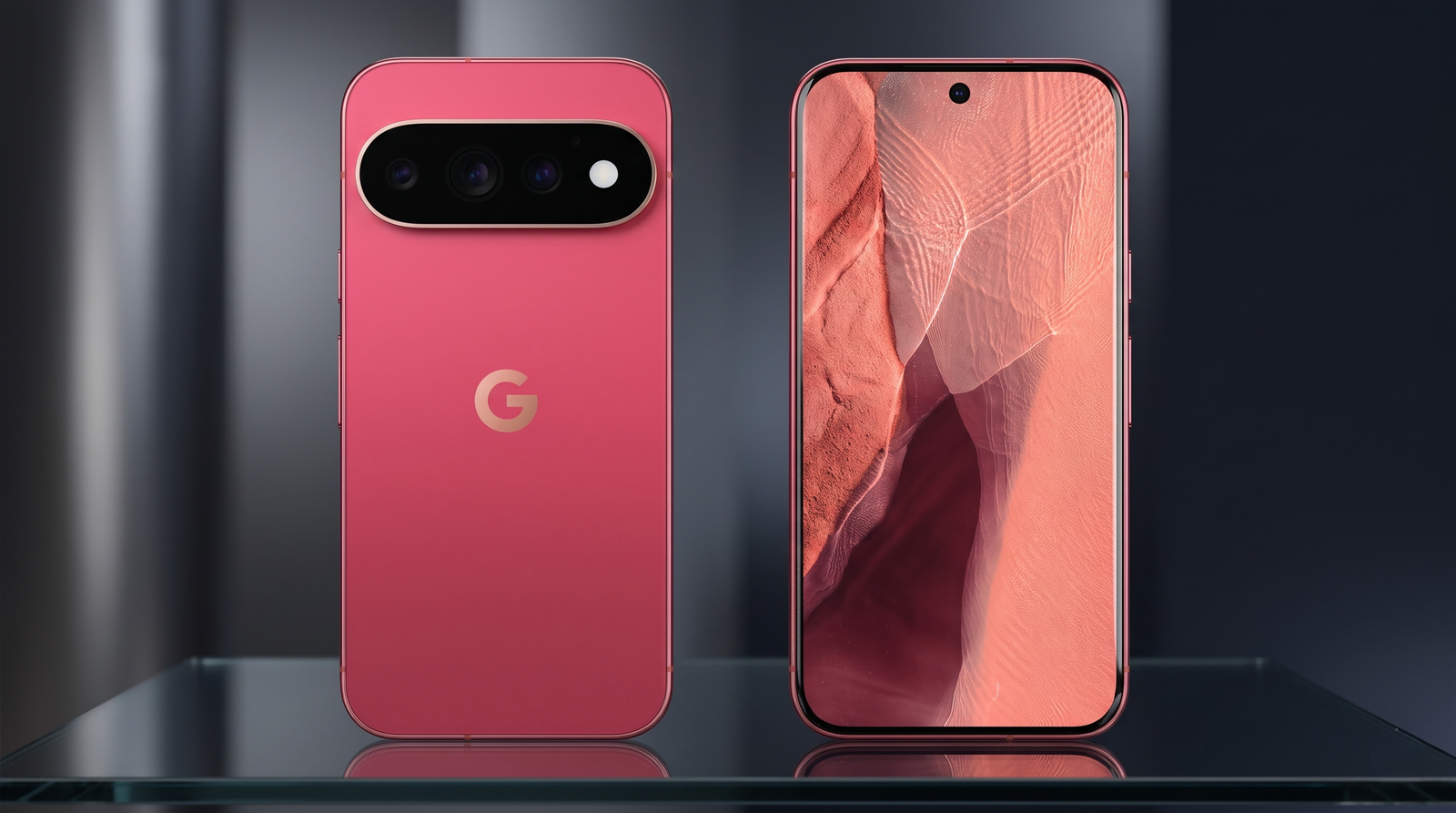
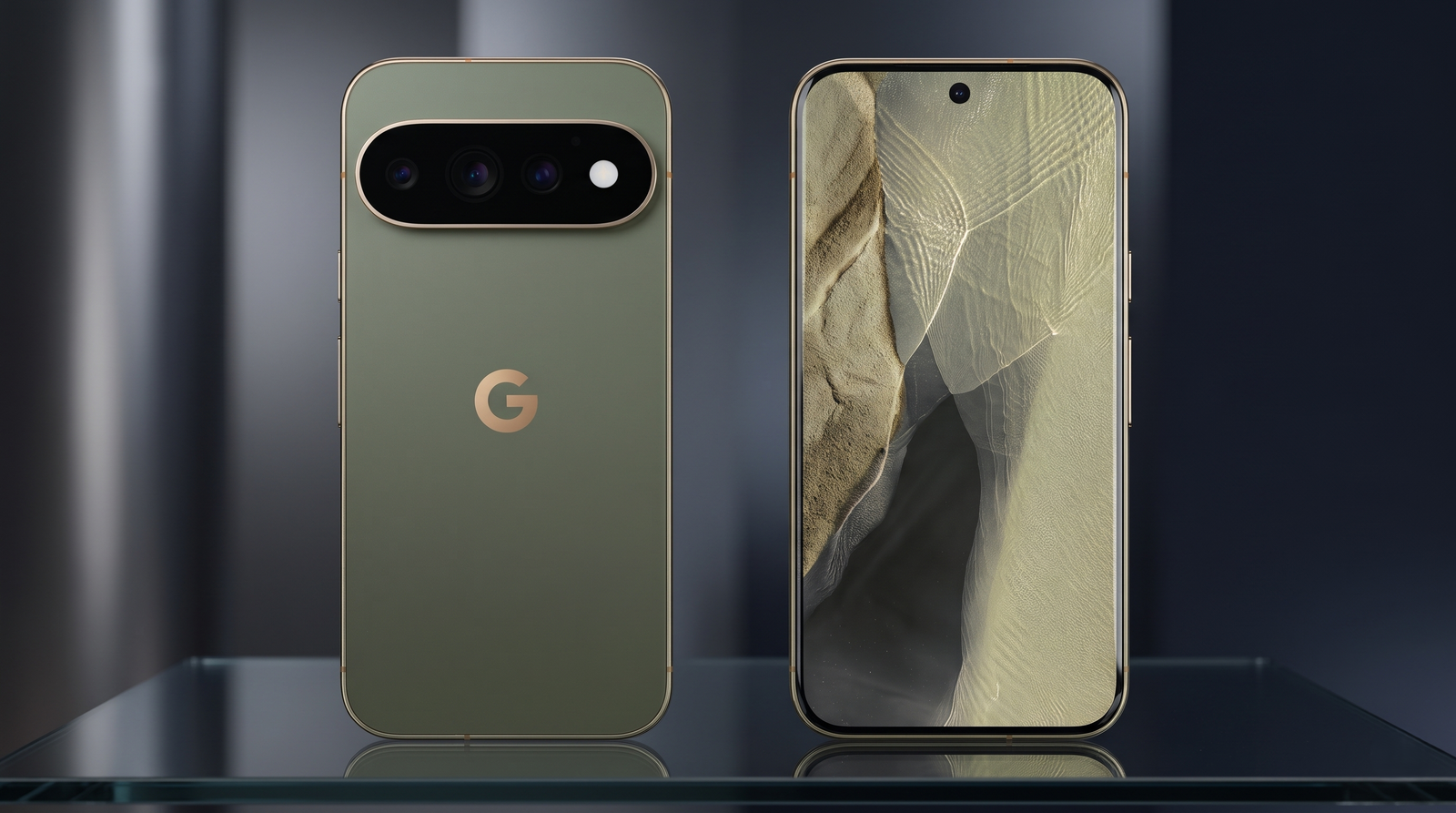
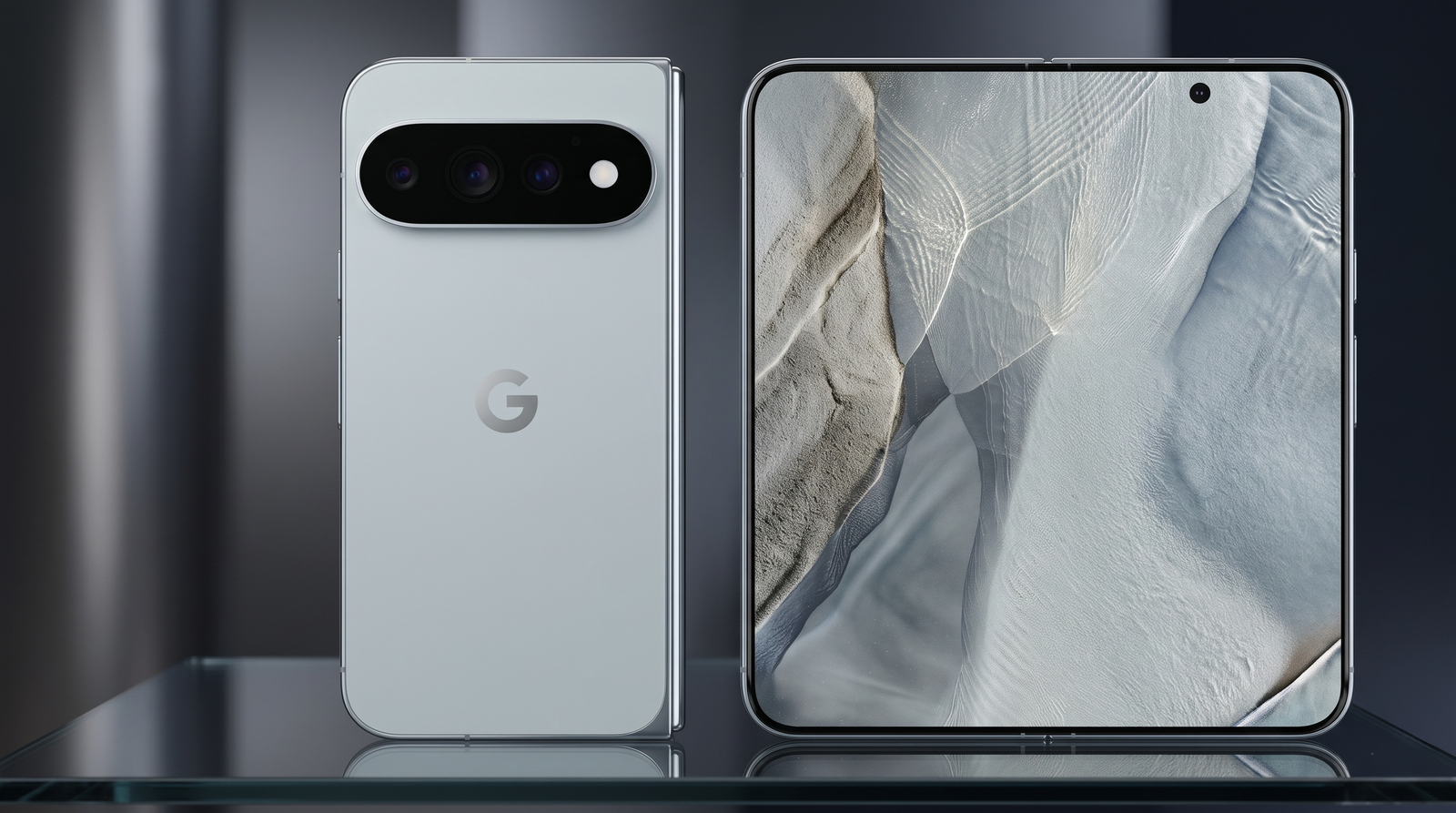
If you are currently evaluating a Pixel 11 Pro Fold vs iPhone Duo comparison, the early durability reports should serve as a massive reality check. Google is currently on its second generation of folding hardware, and they are preparing to launch their highly refined third-generation Pixel 12 Pro Fold next August.
Google has already gone through the painful "first-generation growing pains" that Apple is currently experiencing. The fluid-friction hinge on the Google Pixel 11 Pro Fold has proven to be incredibly robust, effectively keeping debris out of the gear mechanisms and ensuring a smooth, reliable unfolding experience. You do not have to hold your breath every time you open your Pixel.
Furthermore, while the iPhone Duo Split View software is undeniably slick, it is entirely useless if the screen underneath it cracks within a week. Google's Android ecosystem is heavily optimized for multitasking, and the upcoming integration of localized Gemini AI in 2027 promises to push productivity even further.
The Final Verdict: Wait for Generation Two
The Apple iPhone Duo is a beautiful piece of technology, but it is fundamentally a first-generation experiment. The current volume of iPhone Duo early buyer issues and hinge reports proves that the internal engineering is highly vulnerable to catastrophic failure.
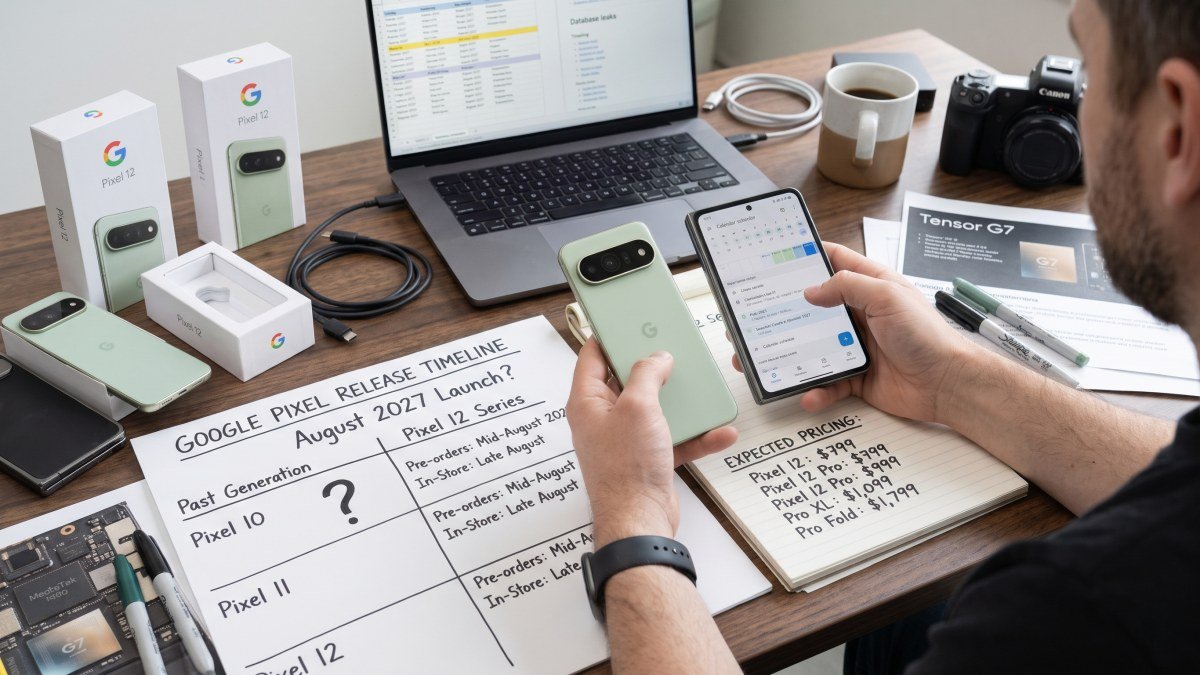
If you own a Google Pixel Fold, you already possess a mature, reliable, and highly capable folding smartphone. Do not trade away your peace of mind to act as an unpaid beta tester for Apple's hinge engineering. The smartest move any consumer can make right now is to hold onto their current device, monitor the Google Pixel 12 release date timeline, and wait for Apple to physically reinforce the hinge in next year's inevitable iPhone Duo 2.