FCC Teases Lower Prices for AT&T, T-Mobile and Verizon Customers – What It Really Means
If you are an American consumer who just opened their latest monthly cellular bill, you are likely feeling the financial squeeze. Over the past two years, the "Big Three" wireless carriers—AT&T, T-Mobile, and Verizon—have quietly introduced price hikes, forced plan migrations, and steadily increased administrative fees. Yet, in a surprising burst of optimism this week, the Federal Communications Commission (FCC) made headlines by teasing that regulatory actions on the horizon could finally bring those rising costs back down.
In mid-November 2026, the FCC officially set the date for a highly anticipated spectrum auction, with top officials suggesting that injecting more airwaves into the commercial market will spark innovation and lower consumer prices. On paper, it sounds like the financial relief that millions of families desperately need. In reality, the telecom industry operates on a much more complex, and often cynical, set of economics.
Will your $90 monthly cellular plan actually get cheaper anytime soon? Will this impact your ability to score a heavily subsidized iPhone 18 Pro at Best Buy next year? Here is the definitive breakdown of what the FCC actually announced, the hidden multi-billion-dollar catch, and what it really means for your wireless bill heading into 2027.
What the FCC Actually Announced: The 2027 Spectrum Auction
The core of the FCC's pricing teaser is directly tied to the infrastructure that makes your smartphone work: wireless spectrum. Spectrum refers to the invisible radio frequencies that transmit data through the air. Because there is a finite amount of usable spectrum, the US government strictly regulates it and auctions it off to commercial carriers for billions of dollars.
On November 14, 2026, the FCC officially earmarked April 27, 2027, as the kickoff date for the "upper C-band" auction. The agency plans to sell off 160 megahertz of prime, mid-band spectrum. Mid-band spectrum (often referred to as the "Goldilocks" band) is incredibly valuable because it offers the perfect balance of ultra-fast 5G speeds and broad geographic coverage.
FCC Chairman Brendan Carr teased that releasing this massive chunk of airwaves will foster fierce market competition, expand network capacity, and ultimately drive down prices for everyday subscribers. The economic theory is simple: if a network has more capacity, they can serve more customers with less congestion, allowing them to lower the cost per gigabyte to undercut their rivals.
The Billion-Dollar Catch: Why Prices Rarely Drop
While the FCC’s economic theory sounds flawless in a textbook, veteran telecom analysts are highly skeptical. The historical context of FCC interventions reveals a glaring contradiction: spectrum is outrageously expensive.
During the previous C-band spectrum auction in 2020, carriers spent a mind-boggling amount of money. Verizon alone dropped $45.5 billion to secure its share of the airwaves. When a publicly traded company spends tens of billions of dollars acquiring raw infrastructure, their immediate corporate mandate is to recoup that investment as quickly as possible. Historically, after massive spectrum expenditures, carriers are far more inclined to raise prices—or invent new "network enhancement" fees—rather than pass savings down to the consumer.
Furthermore, winning this new 2027 auction is only step one. The carriers then have to spend billions more physically climbing cell towers to install the new 5G radio equipment required to broadcast on those specific frequencies. Expecting a carrier to slash your monthly bill immediately after a $15 billion capital expenditure is incredibly optimistic.
Current Plan Prices and the Illusion of Choice
To understand why a price war is necessary, we have to look at the current state of the market. The Big Three have largely abandoned simple pricing in favor of bloated, multi-tiered unlimited plans.
Here is a snapshot of the current premium post-paid landscape:
- Verizon: Shifting towards bundled services, they recently launched the "Verizon One" plan, which combines mobile and home internet for $70/month (with Auto Pay), eliminating some junk fees but keeping base costs high. Meanwhile, their standalone Simplicity Plan sits at $45/month for a single line, but heavily relies on aggressive switcher discounts to look competitive.
- T-Mobile: Once the "Un-carrier" champion of low prices, T-Mobile now offers a staggering 4-tier portfolio. Their top-tier "Experience Beyond" plan sits at an eye-watering $105/month for a single line.
- AT&T: Their portfolio ranges from the base "Value 2.0" at $65/month to the "Elite 2.0" premium tier, which locks high-speed hotspot data behind expensive paywalls.
While multi-line family discounts can bring the per-line cost down to the $40-$50 range, families are still regularly paying over $200 a month for cellular service. Recently, the FCC had to aggressively step in to mandate "All-In Pricing" for cable and satellite TV providers to ban hidden junk fees. Unless the FCC applies that same ruthless "All-In" regulatory pressure to the wireless industry, carriers will continue to mask price hikes behind administrative charges, regardless of how much new spectrum they acquire.
The Real Catalyst for a Price War: The SpaceX Threat
If the FCC auction is unlikely to lower your bill organically, what will? The answer is orbiting directly above your head. The true catalyst for a 2026-2027 wireless price war is not the government; it is Elon Musk.
SpaceX is currently weaponizing its massive Starlink satellite constellation to offer direct-to-device (D2D) terrestrial mobile service under the "Starlink Mobile" brand, with a full commercial rollout targeted for 2028. The FCC is currently processing applications that would allow SpaceX to blanket 100% of the US population with mobile service, completely eliminating cellular dead zones.
If SpaceX decides to bid heavily in the upcoming 2027 upper C-band auction, they will transition from being a niche satellite provider to a legitimate fourth major wireless carrier. The moment SpaceX begins undercutting the market with a flat, affordable, nation-wide satellite-cellular hybrid plan, AT&T, Verizon, and T-Mobile executives will be forced into an aggressive price war. Historically, the only thing that forces US carriers to lower prices is the genuine threat of mass customer defection to a disruptive fourth competitor.
The Timeline: Do Not Hold Your Breath
If you are waiting for the FCC's promised lower prices to balance your monthly budget, you will be waiting a very long time. The telecom industry moves at a glacial pace.
While the upper C-band auction kicks off in April 2027, the winning bidders are not legally allowed to begin offering service on those frequencies until December 2030 (and only in the top 75 US markets). A nationwide rollout will not be cleared until July 2031. Because this new network capacity is nearly a half-decade away from actual deployment, your 2027 and 2028 cellular bills will remain entirely unaffected by this specific FCC action.
Impact on Promotional Phone Deals
How does a massive, multi-billion-dollar spectrum auction affect your ability to buy new hardware? Negatively.
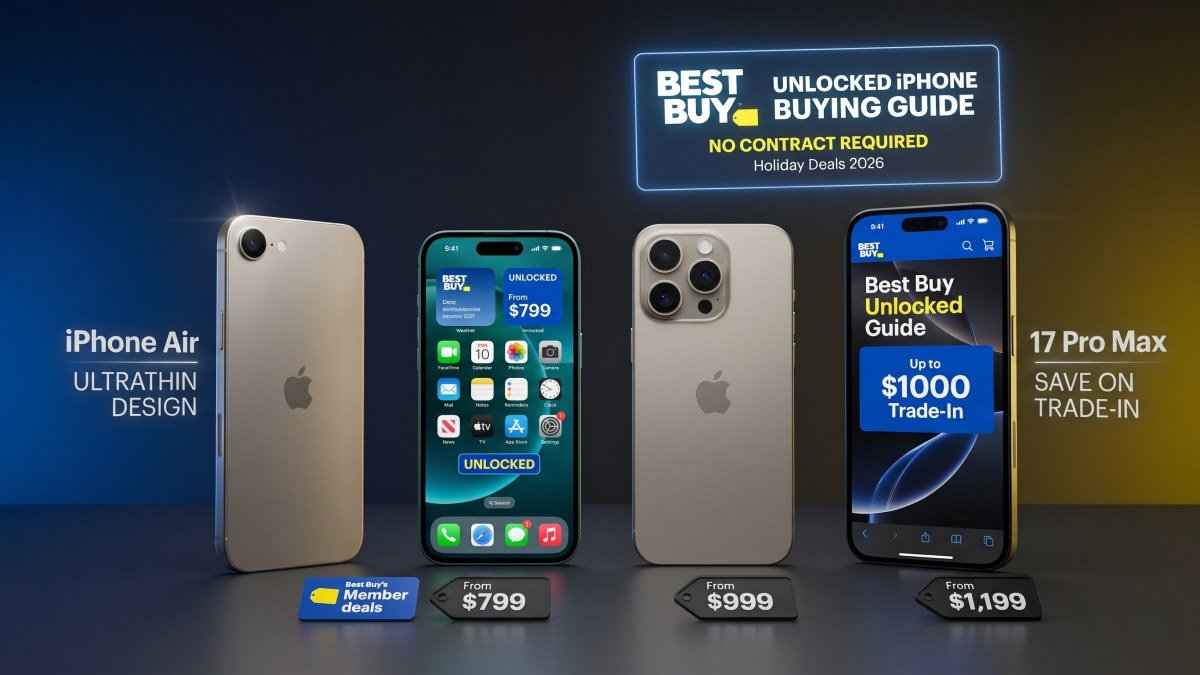
As carriers hoard cash to prepare for the 2027 bidding war, they will become intensely protective of their profit margins. You can expect the criteria for "Free" flagship smartphone promotions to become significantly stricter. To secure a $1,000 trade-in credit for the upcoming Galaxy S27 Ultra or Pixel 11 Pro XL, carriers will increasingly force you to abandon your cheaper grandfathered plans and upgrade to their most expensive, top-tier unlimited packages. The days of getting a free phone on a basic $60 plan are rapidly coming to an end, as the carriers use 36-month hardware financing agreements to guarantee their spectrum investments yield a return.
Practical Advice: How to Lower Your Bill Today
The FCC’s teasing of lower prices is a nice political sentiment, but it is ultimately a 2030 solution to a 2026 problem. You should not wait for the government or a multi-billion-dollar spectrum auction to organically lower your cellular rates.
If you are tired of paying premium post-paid prices, the absolute smartest financial move you can make today is abandoning the Big Three entirely and migrating to a Mobile Virtual Network Operator (MVNO).
Companies like Mint Mobile, Visible, and US Mobile purchase wholesale network capacity from T-Mobile, Verizon, and AT&T, and sell it directly to you without the bloated retail overhead. You can easily secure a truly unlimited 5G plan for $15 to $25 a month on the exact same towers you are using right now. The catch? You have to buy your phone outright.
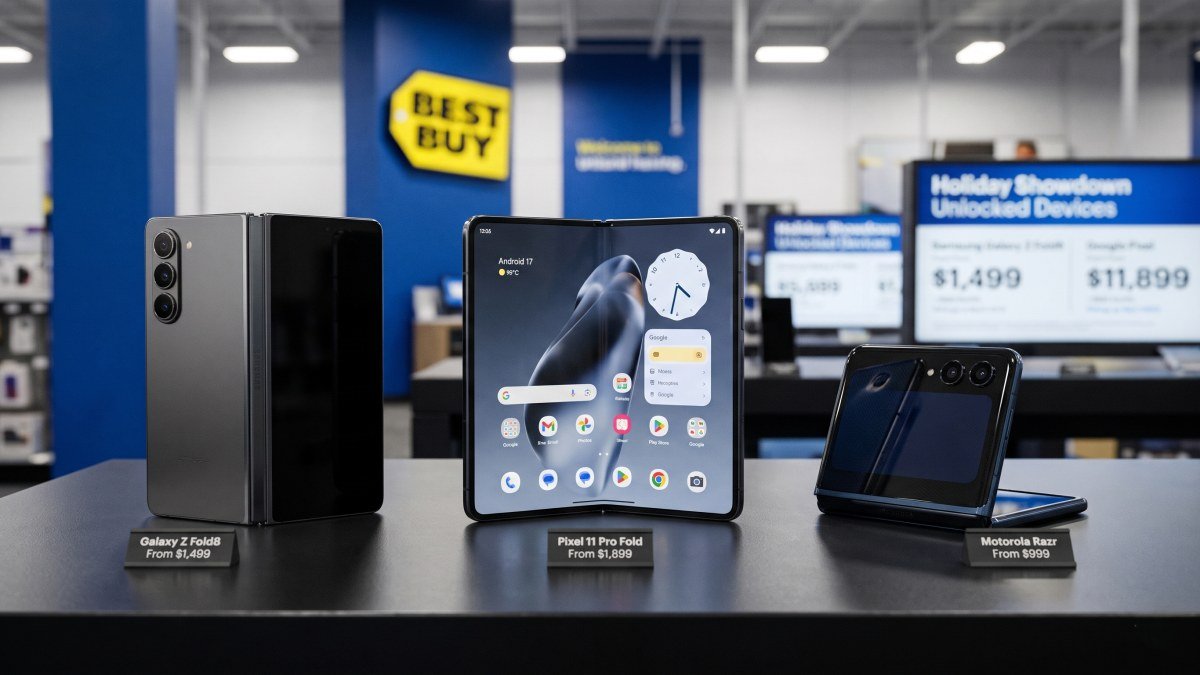
By purchasing a budget unlocked smartphone at Best Buy and pairing it with a prepaid MVNO, you seize total control of your wireless expenses. Let the telecom giants spend $20 billion fighting over spectrum in 2027; you can comfortably watch from the sidelines with a $20 cell phone bill.