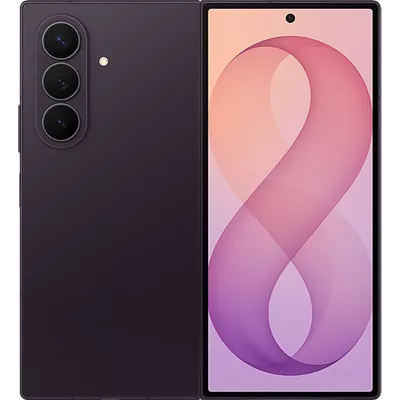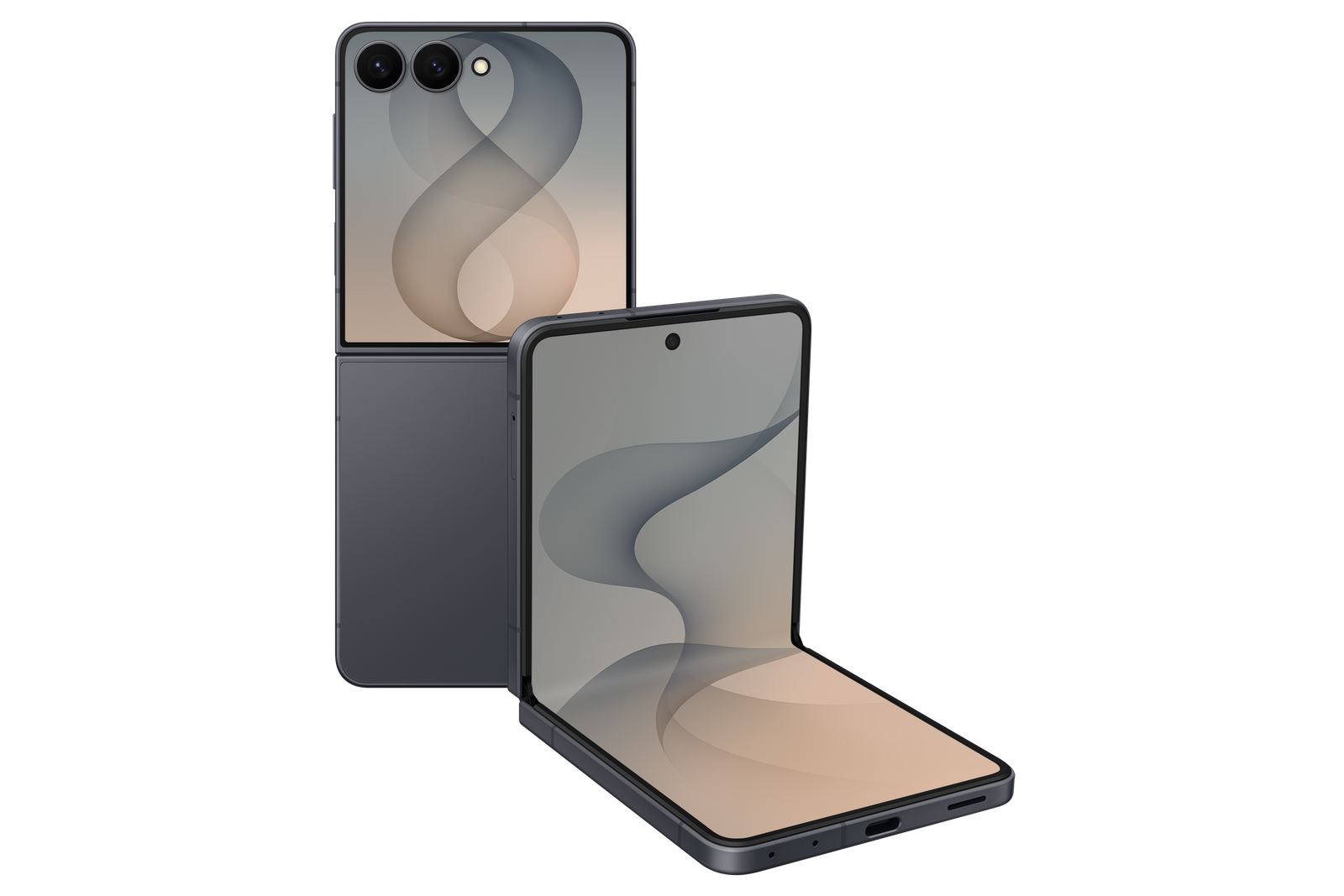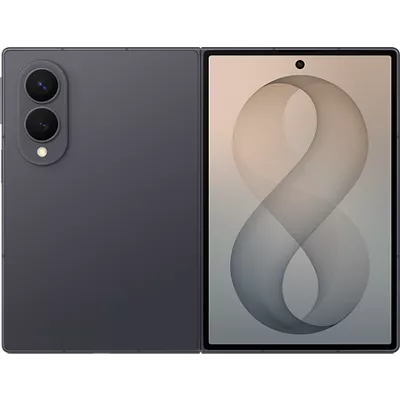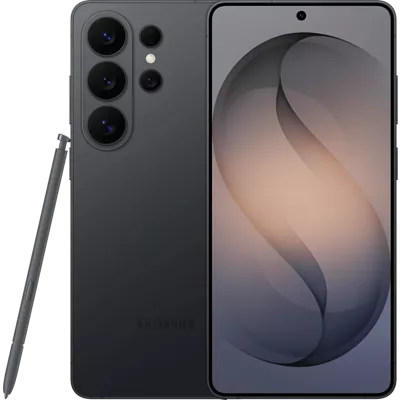
The Pixel 12’s Secret Weapon: How Silicon-Carbon Batteries Will Change Everything
For the past decade, smartphone innovation has felt like a high-stakes balancing act. Consumers in the United States demand massive, vibrant displays, incredibly powerful processors, and sleek, pocketable designs. However, adding all of these premium features fundamentally drains one critical resource: battery life. Until now, the only way manufacturers could increase a phone's endurance was to stuff a physically thicker, heavier lithium-ion battery into the chassis. But what if you could drastically increase a battery's capacity without increasing its physical footprint?
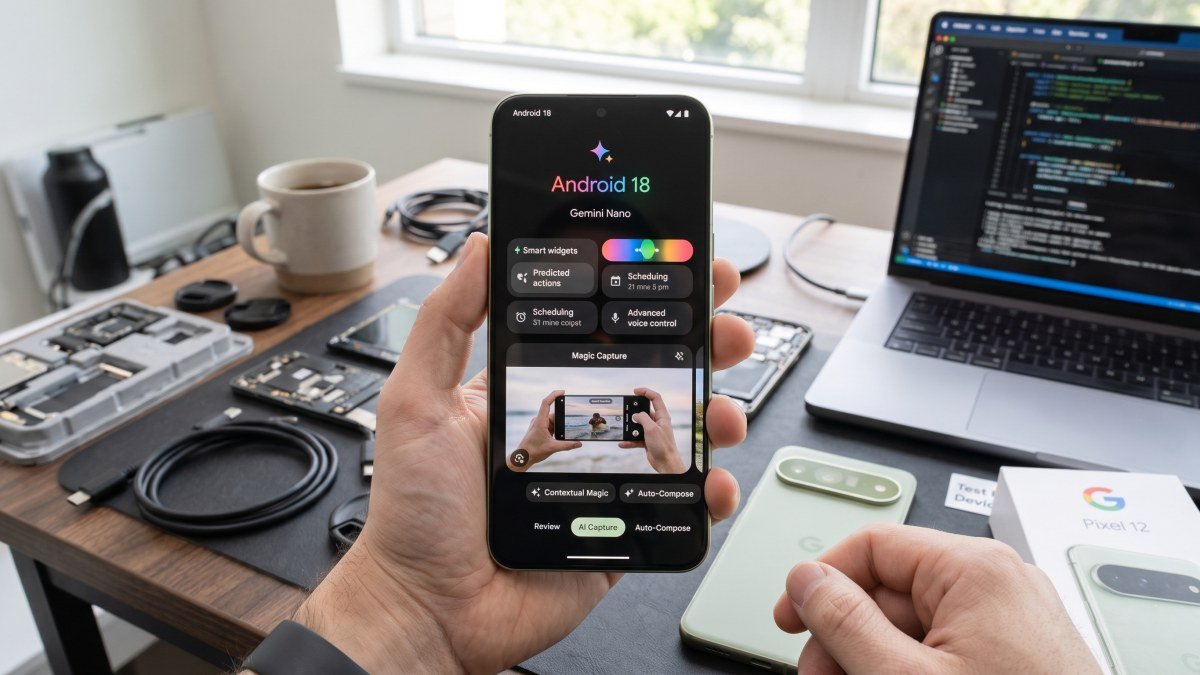
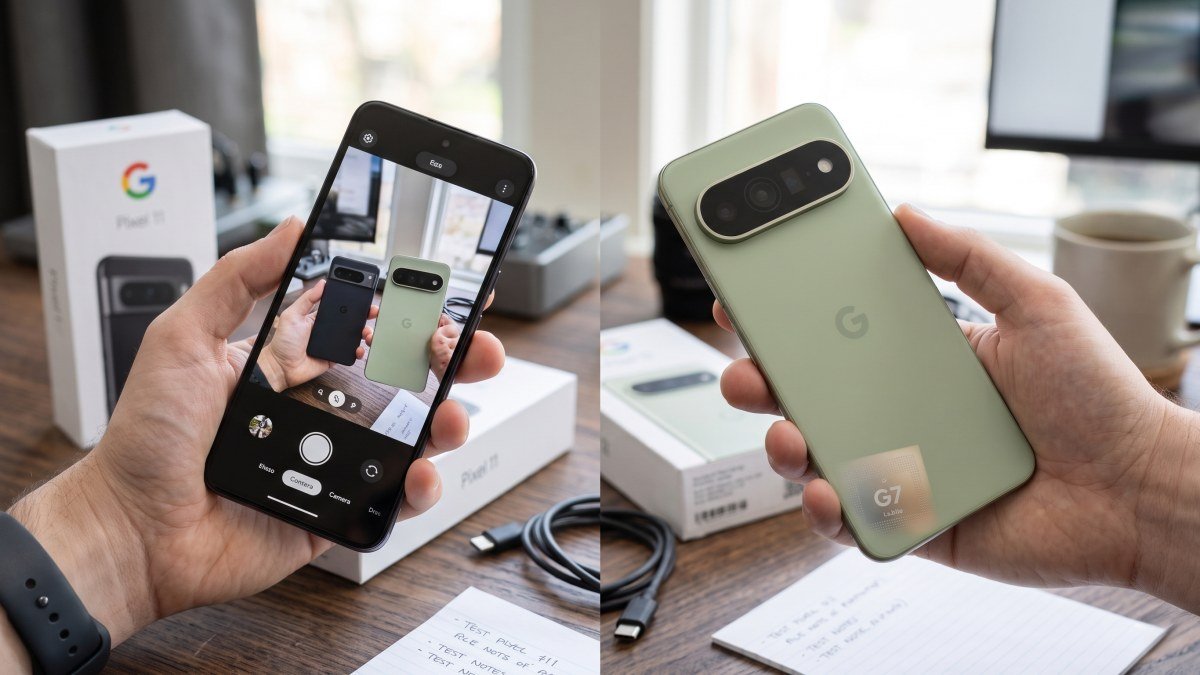
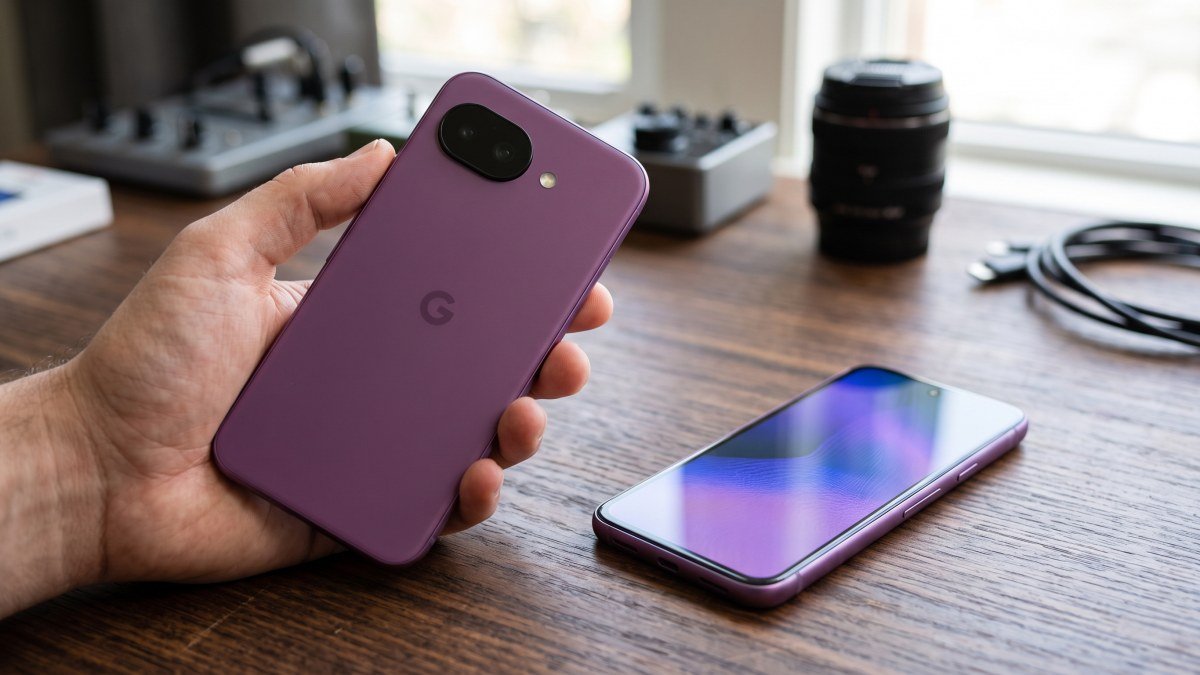
According to a wave of highly credible supply chain leaks, Google is preparing to do exactly that. The upcoming 2027 Pixel 12 series is reportedly adopting revolutionary "silicon-carbon" battery technology across its entire lineup. This is not just another iterative software optimization; it is a fundamental leap in chemical engineering.
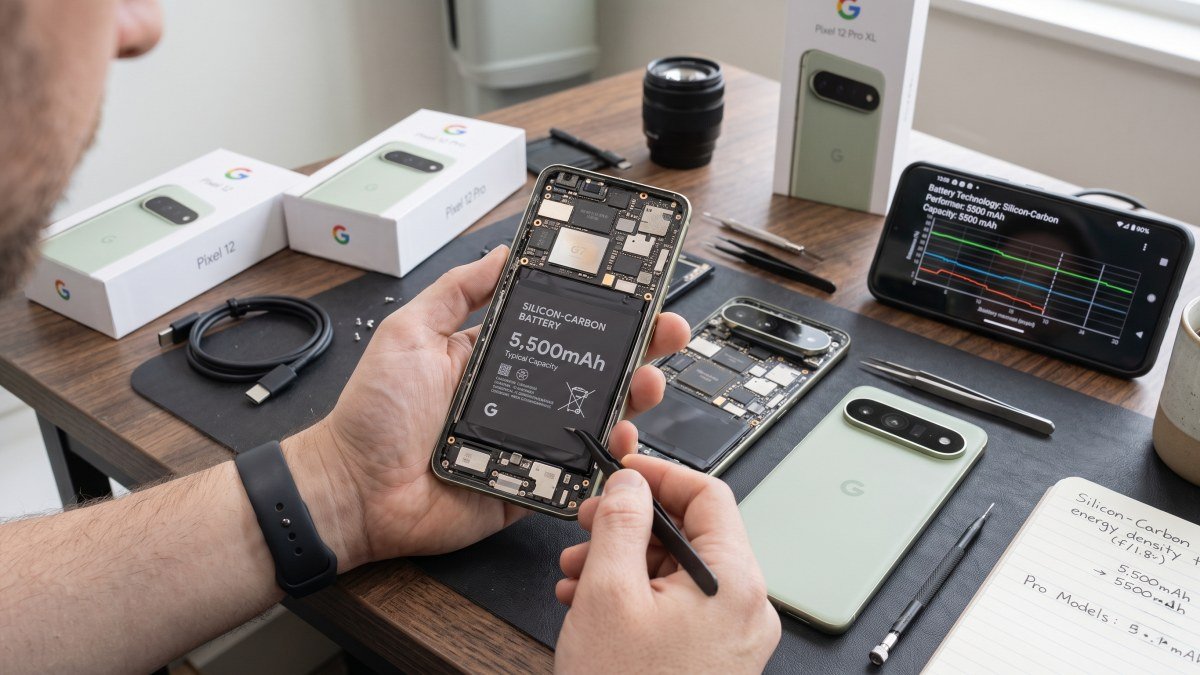
If you suffer from daily battery anxiety, here is a comprehensive deep dive into the Google Pixel 12 silicon-carbon battery life rumors. We will explore the complex science behind this new hardware, explain how it could allow Google to pack a staggering 5,500mAh capacity into the Pro models without adding bulk, and discuss why this might be the ultimate flagship upgrade you have been waiting for.
The Problem with Traditional Lithium-Ion Batteries
To understand why silicon-carbon technology is such a massive breakthrough, you first have to understand the limitations of the battery sitting inside your current smartphone. For the last 30 years, consumer electronics have relied almost exclusively on lithium-ion (Li-ion) batteries.
Inside a standard Li-ion cell, lithium ions flow between two electrodes: the cathode (positive) and the anode (negative). Traditionally, the anode is made out of graphite. Graphite is incredibly stable and reliable, which is why your phone doesn't explode in your pocket. However, graphite has reached its physical limit when it comes to energy density. It simply cannot hold any more lithium ions. If smartphone manufacturers want to increase battery capacity using graphite, they physically have to make the battery bigger, which results in thick, heavy, cumbersome devices.
The Silicon-Carbon Breakthrough
Battery scientists have known for years that silicon is a superior material for holding lithium ions. In fact, a single silicon atom can bind to significantly more lithium than a graphite atom. The problem? When silicon absorbs that much lithium, it expands massively—up to 300% of its original size. In early testing, this massive expansion would cause the anode to shatter, destroying the battery after just a few charging cycles.
This is where the magic of the "silicon-carbon" composite comes into play. By embedding silicon particles within a highly durable carbon matrix, engineers have found a way to stabilize the material. The carbon acts as a flexible cage, allowing the silicon to expand and contract safely without breaking apart.
The result is a battery cell that features a dramatically higher energy density. It allows manufacturers to pack significantly more milliamp-hours (mAh) into the exact same physical volume. This technology is the defining "secret weapon" that will reportedly power the entire Google Pixel 12 series.
The 5,500mAh Rumor: Thinner Phones, Massive Endurance
What does this chemical breakthrough mean for your daily smartphone usage? It completely redefines the physical limits of device design.
In recent years, the Pixel 11 Pro XL pushed traditional lithium-ion technology to its boundaries, resting comfortably just below the 5,100mAh mark. While this offered great all-day battery life, it still required a relatively dense chassis. By transitioning to a silicon-carbon composite, early rumors suggest Google will be able to pack a massive 5,500mAh capacity into the upcoming Pixel 12 Pro and Pro XL models.
More importantly, Google will be able to achieve this massive capacity increase without making the device a single millimeter thicker. In fact, depending on how aggressively Google pursues a slim aesthetic, the Pixel 12 could actually end up being thinner and lighter than its predecessors while still boasting significantly better battery life. For US consumers who are tired of carrying around heavy, brick-like smartphones, this is an absolute game-changer.
Faster Charging Speeds, But What About the Catch?
Beyond raw capacity, silicon-carbon cells offer another highly desirable benefit: improved charging dynamics. The unique structural composition of the anode allows for faster lithium-ion transfer, which means these batteries can theoretically charge significantly faster than standard lithium-ion cells. If Google pairs this new battery chemistry with an upgraded internal charging coil, the Pixel 12 could finally leave the frustratingly slow 30W charging speeds of the past behind, potentially pushing toward rapid 45W or even 65W charging territories.
However, no technology is entirely without compromises. The primary drawback historically associated with silicon-carbon technology is longevity. Because the silicon material physically expands and contracts so aggressively during charging, these batteries are known to degrade slightly faster over time compared to highly stable traditional graphite anodes.
To combat this, Google will have to heavily rely on intelligent software. Expect to see highly advanced, AI-driven battery management systems integrated directly into Android 18. By learning your daily routines and actively managing the charging voltage while you sleep, Google’s software can mitigate physical degradation and ensure the battery remains healthy throughout the phone's lifespan.
The Ultimate Synergy: Silicon-Carbon Meets the Tensor G7
While a massive 5,500mAh battery sounds incredible on paper, its true potential is only unlocked when paired with a highly efficient processor. This is why the timing of the silicon-carbon upgrade is so critical for the Pixel 12.
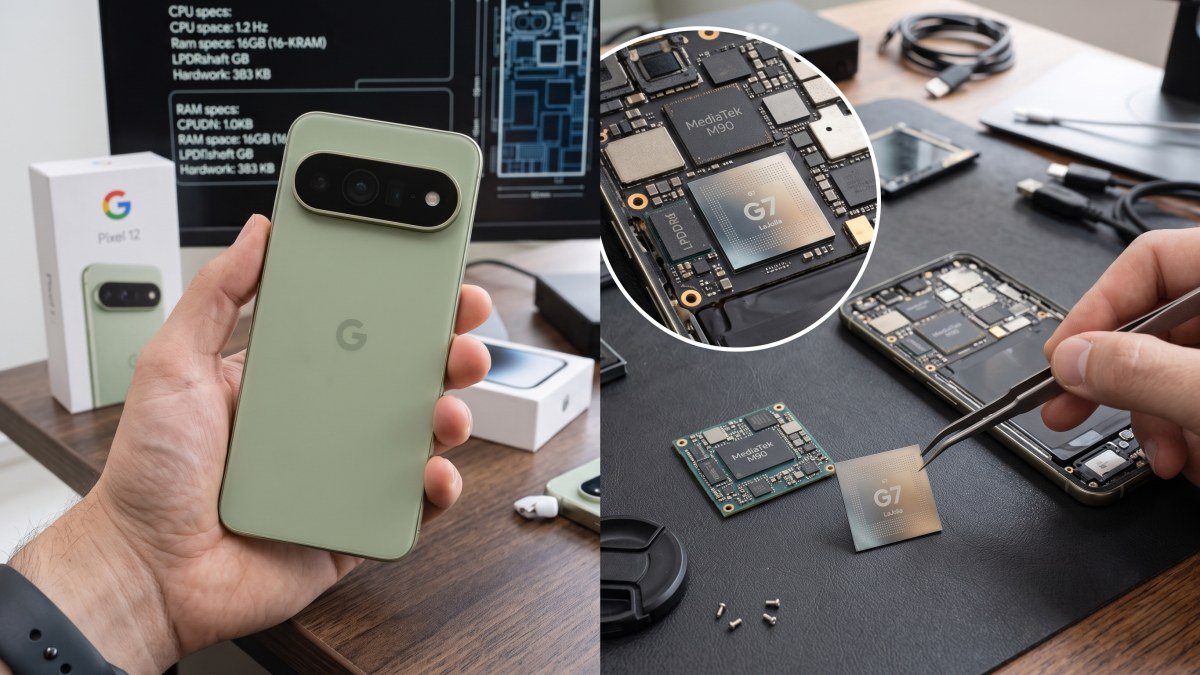
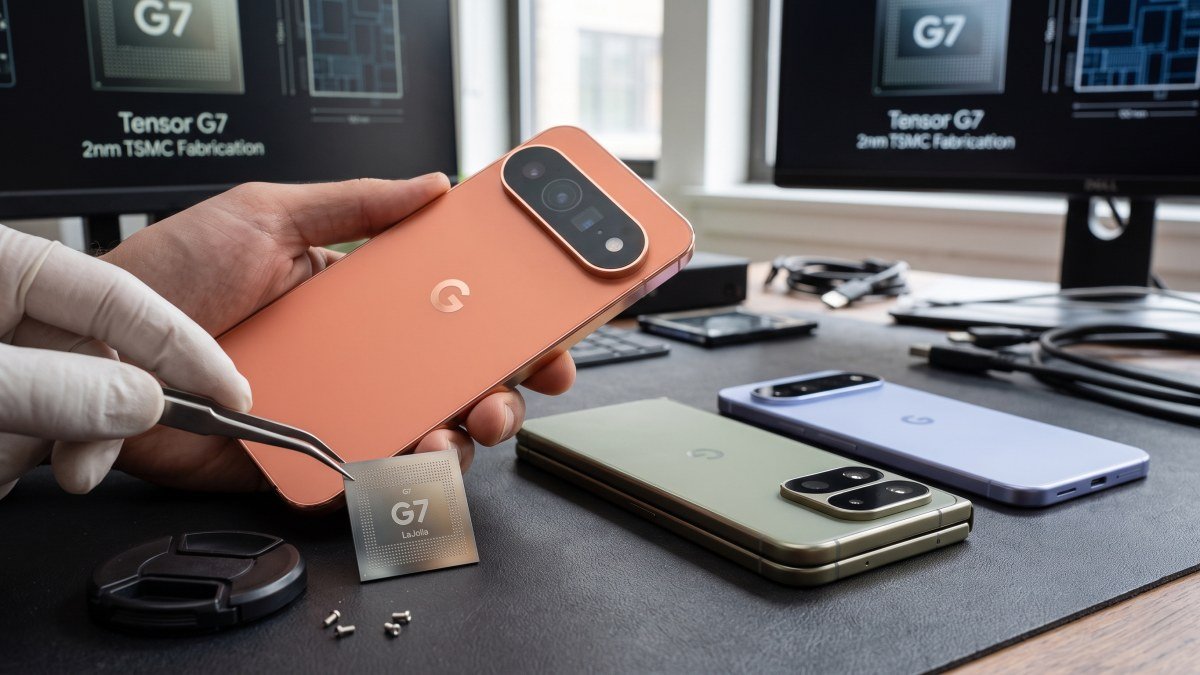
As we detailed in our deep dive on the Tensor G7 specs, Google's next-generation processor is making a monumental leap to TSMC's cutting-edge 2nm manufacturing node. This 2nm architecture drastically reduces the electrical voltage required to run complex calculations. When you combine the massive physical capacity of a silicon-carbon battery with the hyper-efficient power draw of a 2nm processor, you get a smartphone that can easily survive intense, two-day usage without hunting for a wall outlet.
Furthermore, because the Tensor G7 runs incredibly cool, it prevents ambient internal heat from damaging the sensitive silicon-carbon cell, perfectly counteracting the battery's potential longevity issues.
The Final Verdict: A True Hardware Revolution
For the past half-decade, the smartphone industry has mostly delivered iterative updates. A slightly brighter screen here, a slightly better camera sensor there. However, the integration of silicon-carbon battery technology represents a fundamental, structural revolution in how mobile hardware is engineered.
By solving the physical constraints of lithium-ion density, Google is positioning the Pixel 12 to be the undisputed king of endurance. If the rumors hold true and the entire Pixel 12 lineup receives this advanced battery chemistry, it will easily justify the wait for 2027. For those who cannot hold out for another year and desperately need a new device today, be sure to check our updated hub for the best phone deals in the USA to see how you can save on the current generation of Pixel devices.