Google Pixel 12 and Android 18: The Exclusive AI Features Coming in 2027
As hardware leaks regarding the Google Pixel 12 continue to dominate the news cycle—with enthusiasts obsessing over the jump to TSMC's ultra-efficient 2nm fabrication node and blazing-fast LPDDR6 RAM—a fresh, massive software leak has just shifted the entire conversation. According to recent records uncovered in the GSMA IMEI database, Google is already actively testing its upcoming flagship models with a highly confidential build of Android 18.
While premium hardware forms the foundation of any great smartphone, it is the software that ultimately dictates your daily user experience. In 2027, Android 18 is expected to be much more than just a visual interface refresh. It is being engineered from the ground up to deeply integrate with the next-generation Gemini Nano AI model. From predicting your complex daily workflows to completely overhauling how you capture video memories, this represents the ultimate software leap.
Here is an exclusive deep dive into the Google Pixel 12 Android 18 Gemini AI features that will completely redefine what your smartphone is capable of doing.
The GSMA Database Leak: Android 18 is Already Here
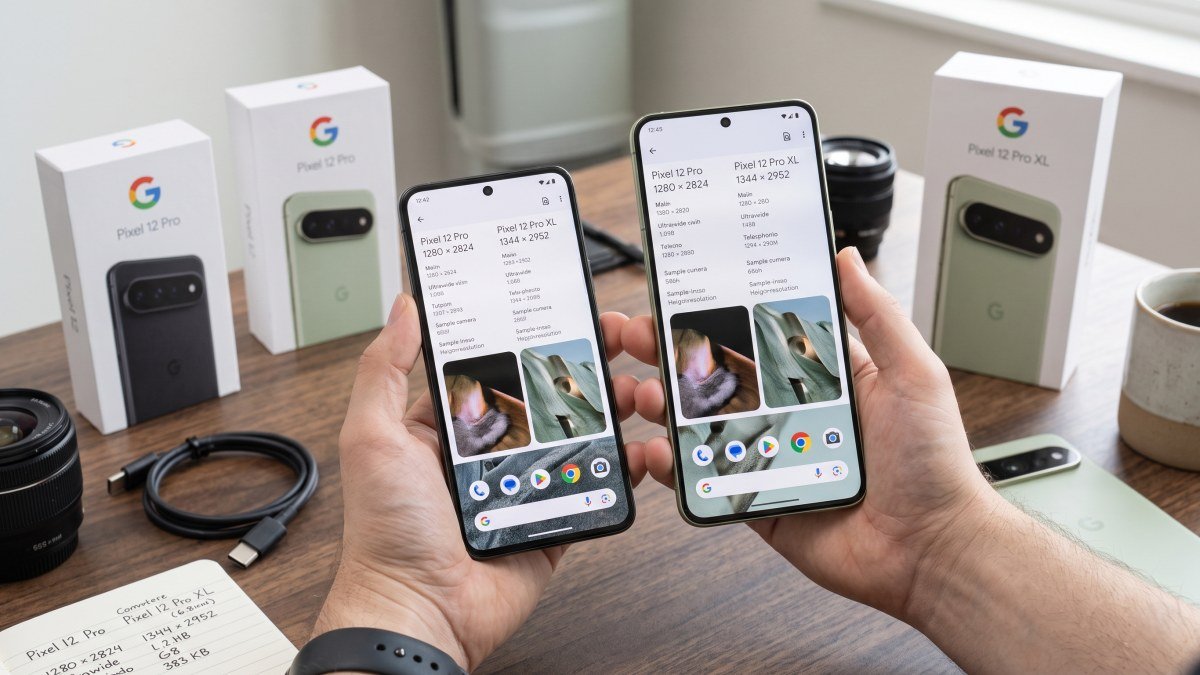
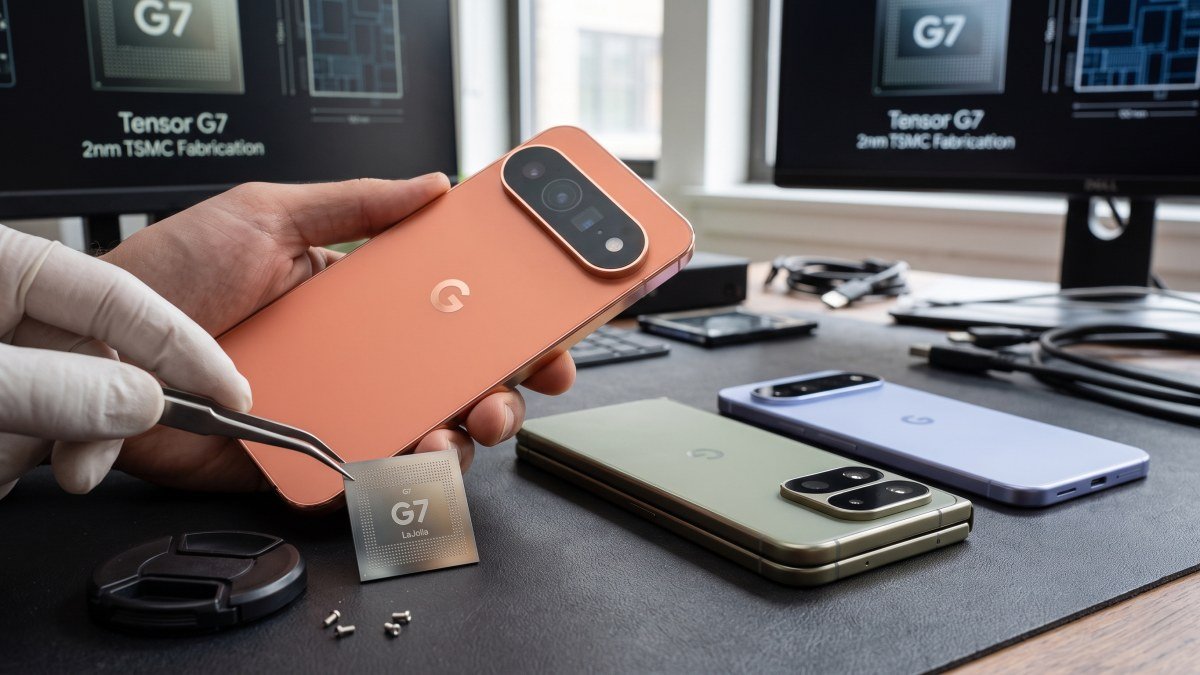
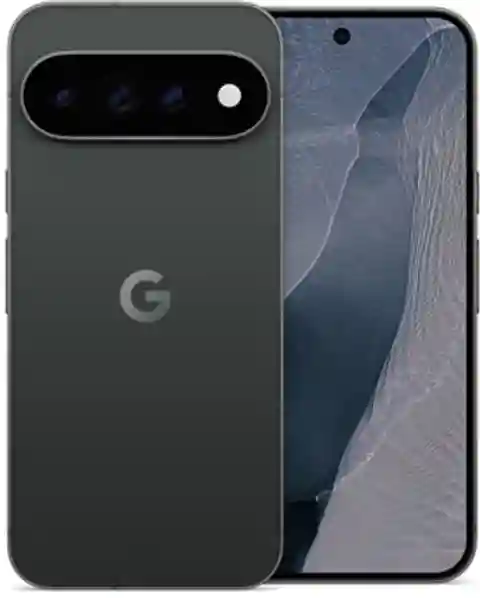
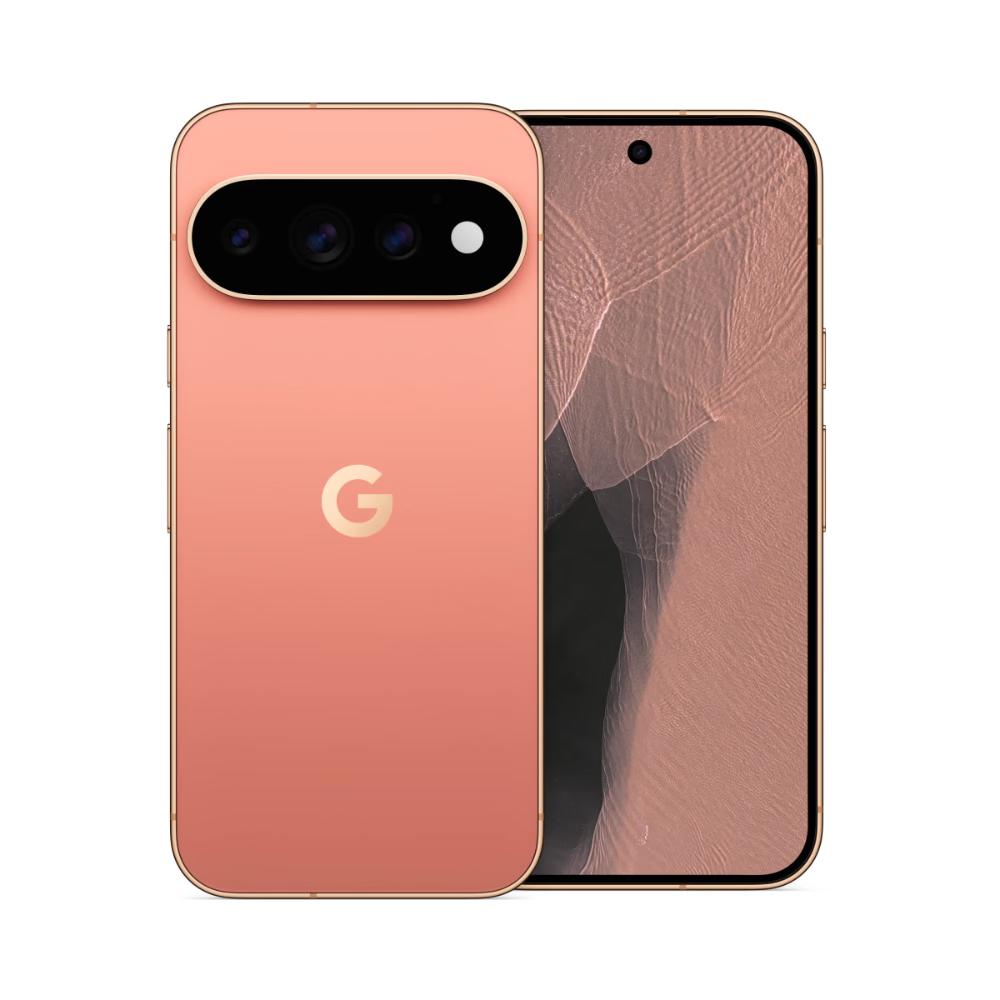
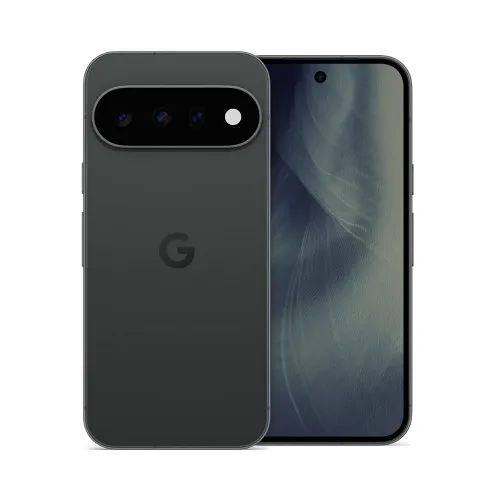
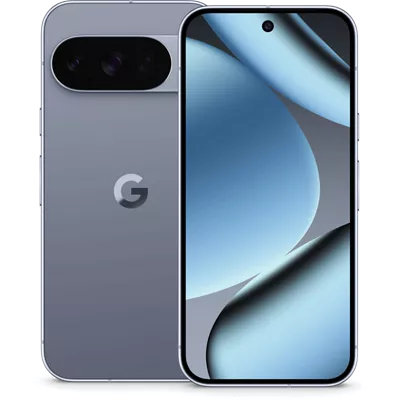
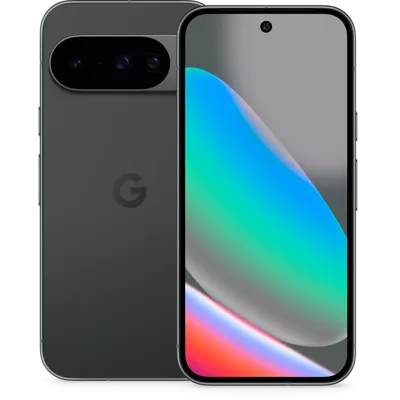
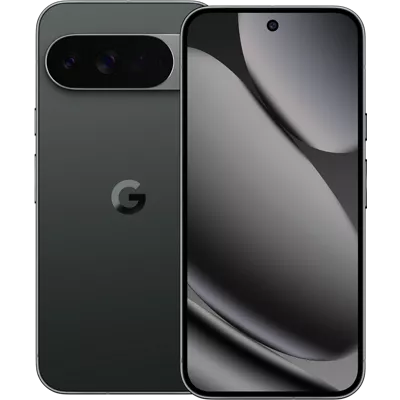
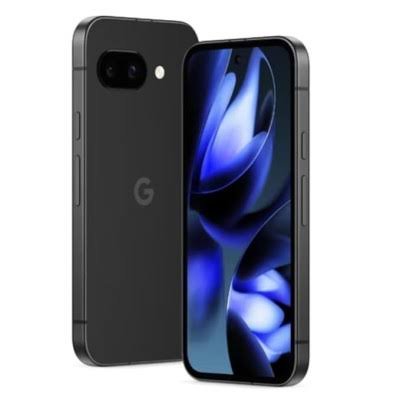
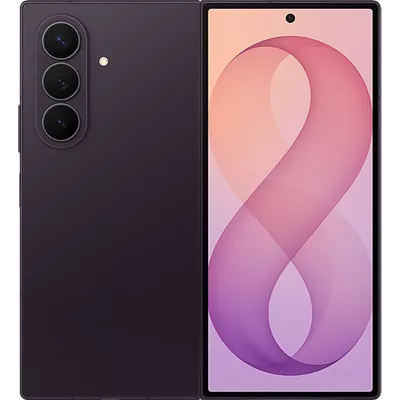
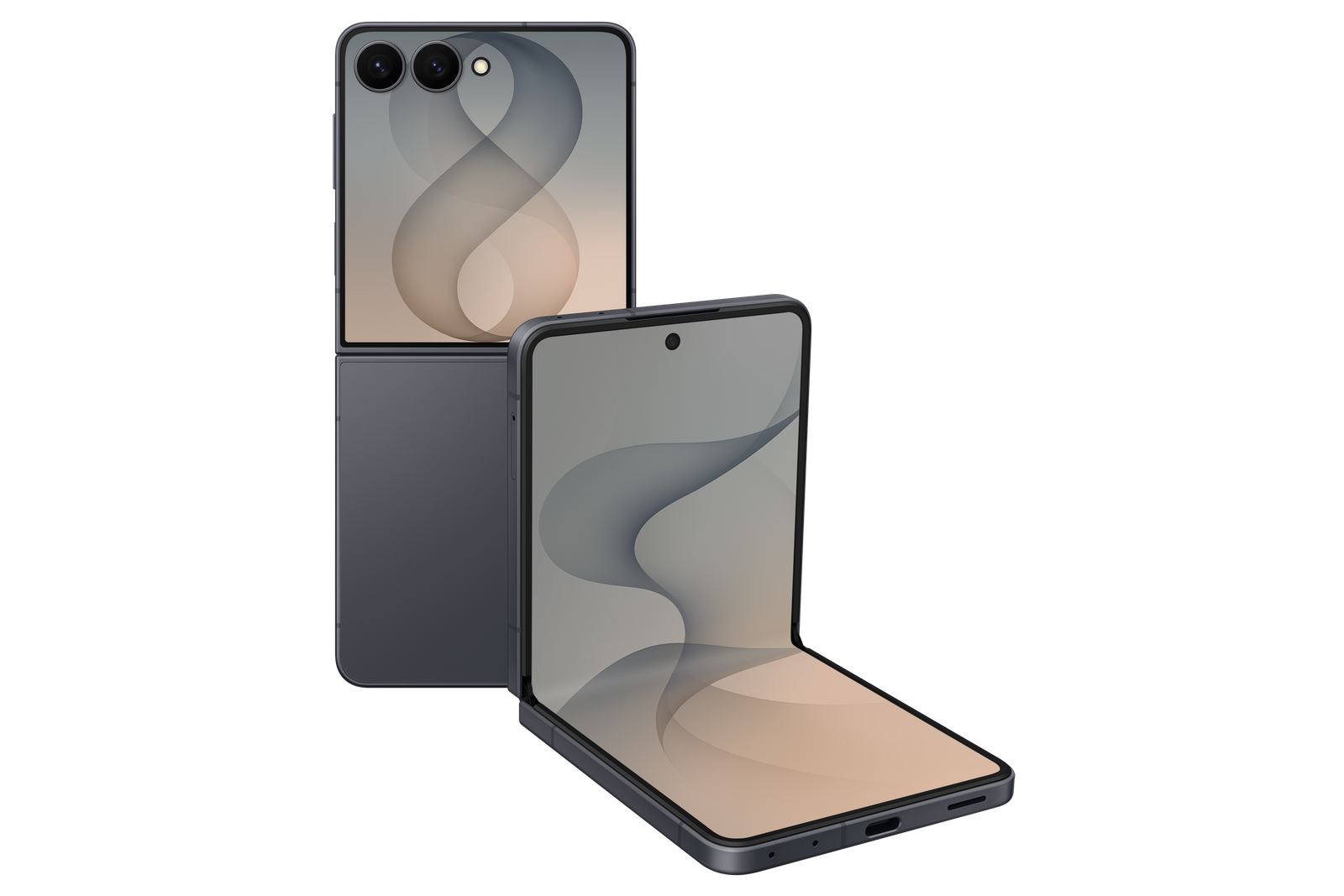
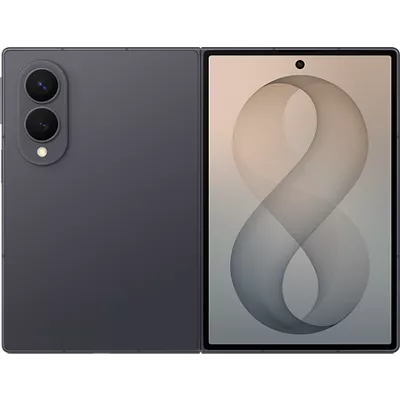
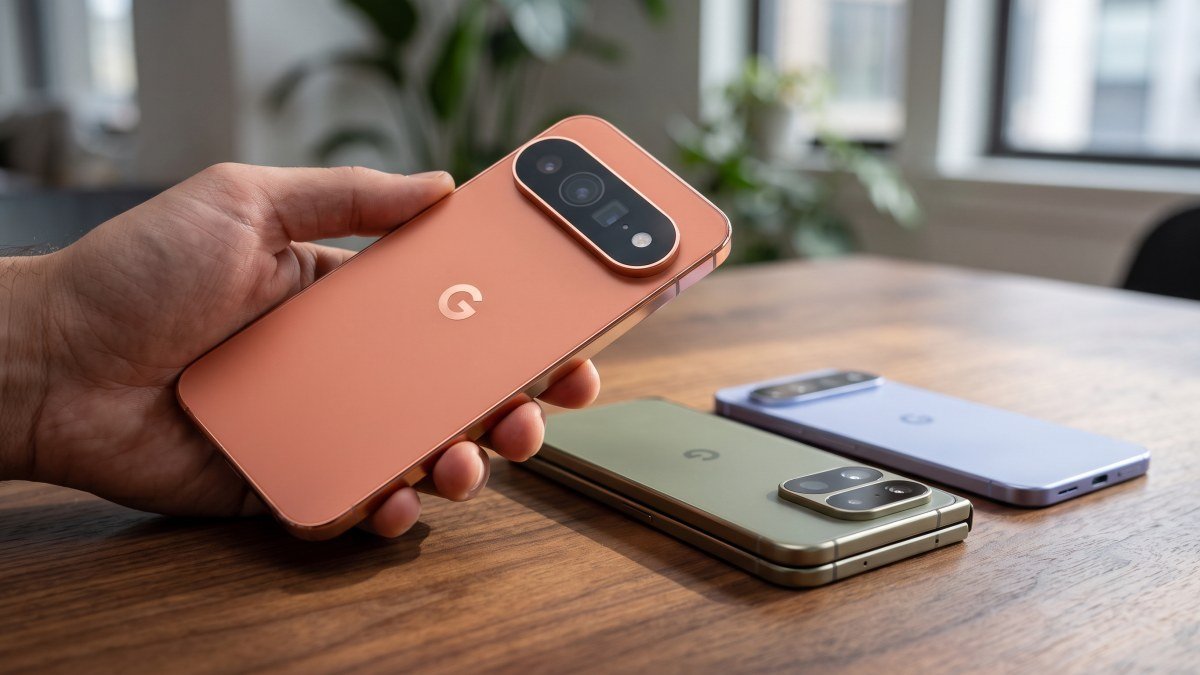
Before diving into the features, it is crucial to understand the development timeline. Industry analysts recently uncovered four distinct Google Pixel 12 model numbers resting securely in the GSMA database. These internal device identifiers confirm that Google is proceeding with a massive four-device lineup for its expected August 2027 launch: the standard Pixel 12, the Pixel 12 Pro, the Pixel 12 Pro XL, and the ultra-premium Pixel 12 Pro Fold.
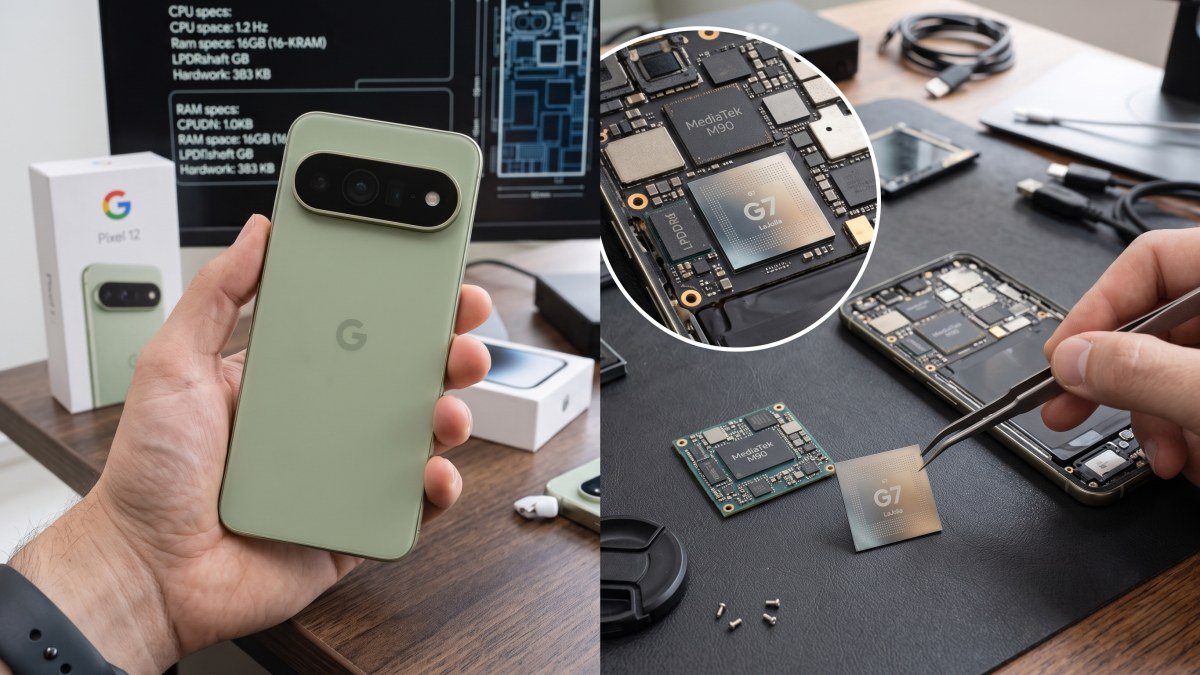
More importantly, the internal testing documentation indicates that these early hardware prototypes are already running foundational builds of Android 18. This confirms that Google is developing the software and the Tensor G7 processor simultaneously in a tightly controlled ecosystem, perfectly mirroring how Apple develops iOS alongside its custom A-series chips. By optimizing Android 18 specifically for the Tensor G7's neural processing unit (NPU), Google can unlock deep, system-level AI integration that simply will not be available on competing Android devices.
Gemini Nano on Android 18: The Ultimate On-Device AI
At the absolute core of the Android 18 experience on the Pixel 12 is Gemini Nano. While current devices like the Google Pixel 11 feature robust AI capabilities, they still rely heavily on cloud processing for heavy tasks. This means your personal data is sent to a remote server, processed, and beamed back to your phone—a workflow that drains battery, requires an active internet connection, and raises valid privacy concerns for US consumers.
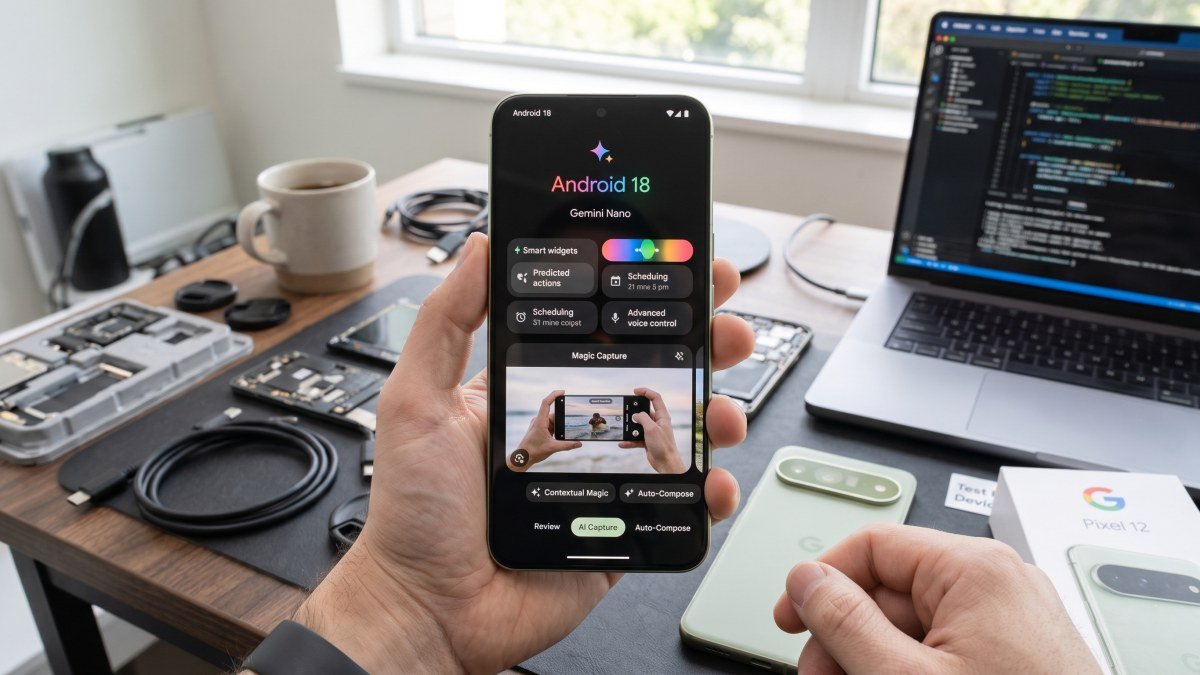
Android 18 fundamentally changes this dynamic. Thanks to the massive memory bandwidth provided by the Pixel 12's rumored LPDDR6 RAM, the most advanced version of Gemini Nano will run entirely on-device. This localized AI brain will act as a persistent, invisible assistant that understands the context of what is happening on your screen in real time. It can instantly summarize a 50-page corporate PDF, draft complex email replies in your unique personal tone of voice, and translate live audio during international conference calls without ever transmitting a single byte of your data to the cloud.
Advanced Predictive Multitasking
One of the most highly anticipated exclusive features coming to the Pixel 12 is a concept known as Advanced Predictive Multitasking. Traditional smartphone operating systems force you to manually open, close, and switch between isolated applications. Android 18 aims to tear down those invisible walls.
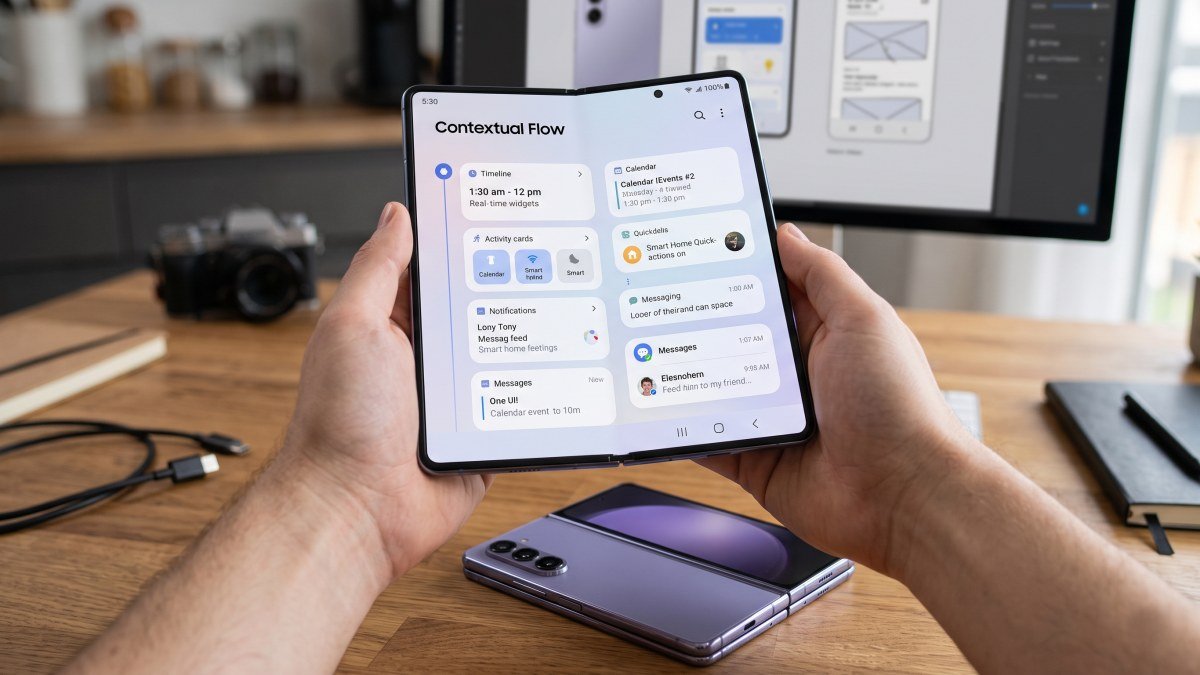
Imagine you are planning a business trip to New York City or Seattle. As you open your Gmail application to review your upcoming flight itinerary, Gemini Nano instantly understands the context of the task. Without you having to swipe or manually search for other apps, Android 18 will predictively generate a dynamic workspace overlay.
The operating system will seamlessly pull up Google Maps to show the traffic route from the airport to your hotel, check your Google Calendar to ensure the flight does not conflict with any Zoom meetings, and offer to automatically draft a text to your colleagues with your updated arrival time. This deep contextual awareness drastically reduces cognitive load. You are no longer navigating a static grid of apps; the operating system is actively assembling the tools you need based on your real-time intent.
Smarter Magic Capture and Real-Time Rendering
Google has historically dominated the computational photography space, but Android 18 on the Pixel 12 will introduce "Smarter Magic Capture," pushing the boundaries from static photo editing straight into the realm of real-time video rendering.
While current features like Magic Eraser allow you to remove photobombers from a still image after it was taken, Smarter Magic Capture leverages the Tensor G7's raw graphical power to perform these intensive edits live. If you are recording a video of your child playing in a crowded US national park, Android 18 can identify and computationally blur distracting background tourists in real time, before you even press the stop button.
Furthermore, Smarter Magic Capture is expected to introduce advanced generative fill for video recording. If your framing is slightly off or shaky, the on-device AI can computationally stabilize the footage and seamlessly generate missing edge pixels, ensuring your home videos look like they were shot on a professional Hollywood gimbal setup.
The End of "Dumb" Notifications
If you are tired of waking up to a lock screen cluttered with dozens of useless alerts, promotional emails, and group chat spam, Android 18 is bringing a much-needed digital detox.
Powered by Gemini Nano, the new operating system will intelligently triage your notifications. Instead of showing you a chronological list of 40 unread messages, the AI will read the context of the alerts locally and generate a concise, human-readable summary. For example, your lock screen might simply say: "Your team finalized the Q3 budget report, and your spouse asked you to pick up dinner on the way home. You also have 12 low-priority promotional emails."
This intelligent sorting ensures that you only interact with your smartphone when something genuinely requires your attention, helping to break the toxic cycle of constant digital distraction.
Will Older Pixels Get These Android 18 Features?
Whenever a massive software update is announced, the immediate question is whether older hardware will support the new tools. This compatibility concern is a crucial factor in the ongoing Pixel 11 vs Pixel 12 debate.
While older devices like the Pixel 11 and Pixel 10 will undoubtedly receive the base Android 18 operating system update, they will almost certainly miss out on the most advanced Gemini AI features. Advanced Predictive Multitasking and real-time Smarter Magic Capture require the immense 80 TOPS (Trillions of Operations Per Second) neural processing power and high-speed LPDDR6 memory that are exclusive to the upcoming Tensor G7 chip. Trying to run these persistent background AI tasks on older, less efficient processors would result in severe battery drain and massive thermal throttling.
Therefore, if you want the true, uncompromised Android 18 AI experience, the hardware architecture of the upcoming Pixel 12 series is an absolute necessity.
The Final Verdict: Software is the Real Upgrade
For the past several years, smartphone upgrades have focused entirely on iterative hardware improvements—slightly brighter screens, slightly faster charging, and slightly larger camera sensors. The Google Pixel 12 series, however, represents a rare paradigm shift where the software is actually outpacing the hardware.
By deeply intertwining the foundation of Android 18 with the raw on-device power of Gemini Nano, Google is building a smartphone that actively works for you, rather than a passive screen you have to constantly manage. If you are currently debating whether to upgrade now or hold off, the exclusive AI software suite coming in 2027 is the ultimate reason to keep your cash in your wallet and wait for the Pixel 12.