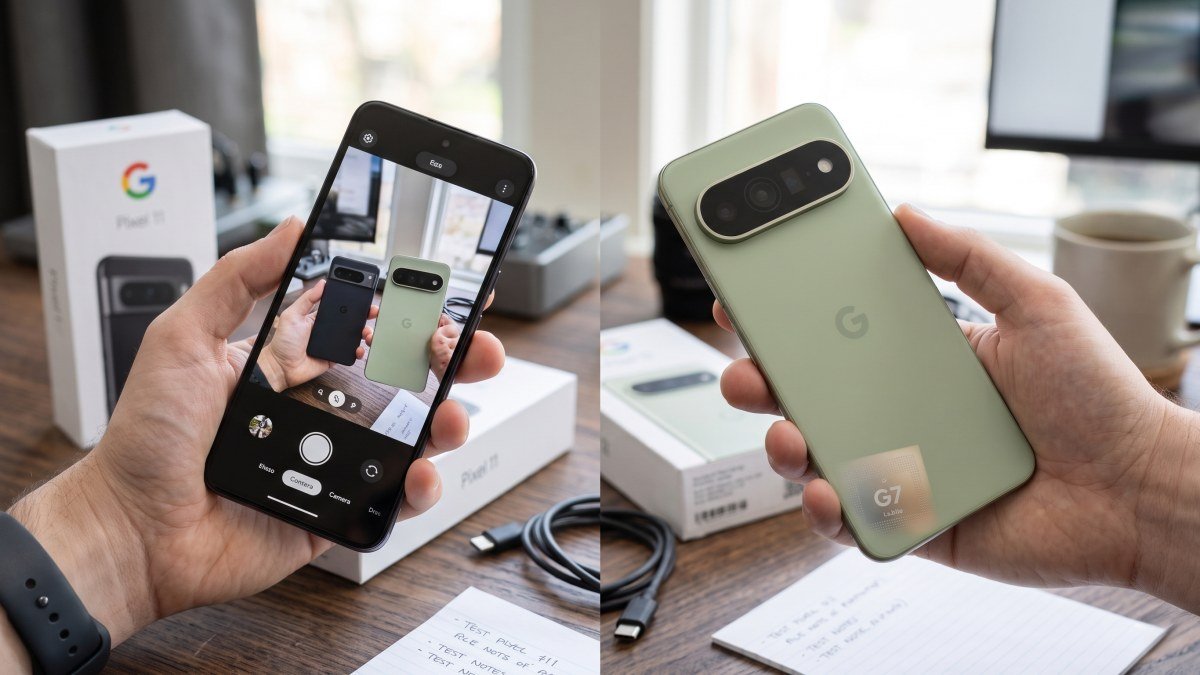
Pixel 11 vs Pixel 12: Should You Upgrade Now or Wait for 2027?
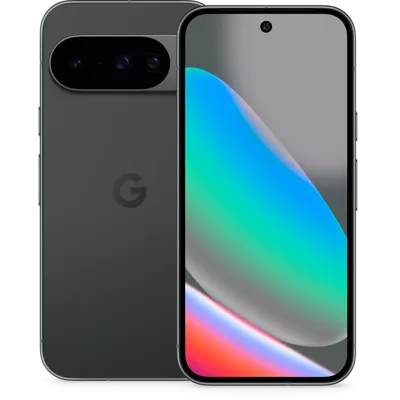
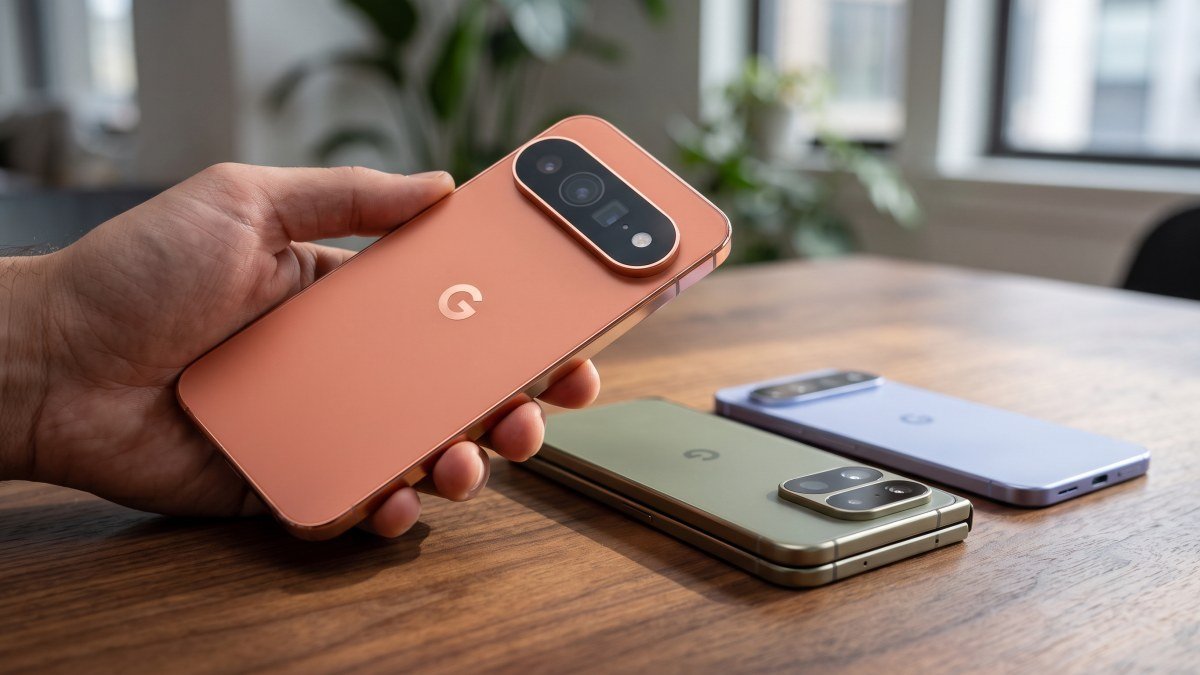
The Google Pixel 11 has officially landed, and as the massive holiday shopping season approaches in the United States, aggressive carrier discounts are making it an incredibly tempting purchase. However, a quick glance at technology forums like Reddit reveals a massive, growing debate among Android enthusiasts. The question dominating the conversation is clear: should I wait for Google Pixel 12 vs Pixel 11?
It is a highly valid dilemma. While the current Google Pixel 11 is a fantastic, highly capable smartphone featuring incredible computational photography, the leaks surrounding the 2027 Pixel 12 are pointing toward a monumental generational hardware reset. With Google reportedly moving away from Samsung foundries to embrace TSMC's ultra-efficient 2nm process for its upcoming processor, next year's flagship promises to fix every lingering complaint power users have had for the past five years.
If you are standing in a carrier store trying to decide where to spend your money, this guide pivots away from raw specification sheets to offer practical, real-world buyer advice. Here is a complete breakdown of whether the upcoming 2nm efficiency and 2027 features justify skipping the current holiday discounts on the Pixel 11 series.
The Current Contender: Is the Pixel 11 Good Enough?
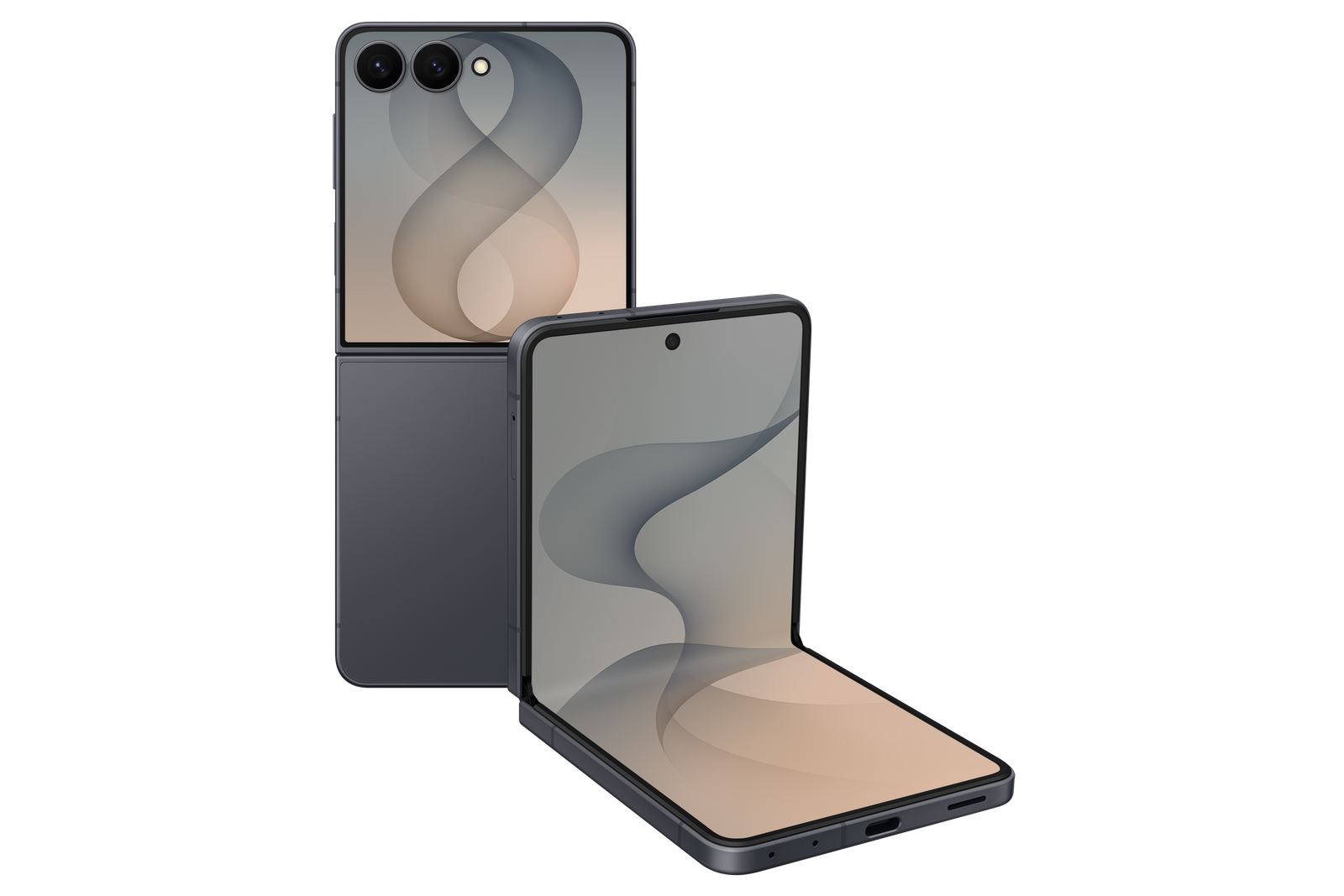
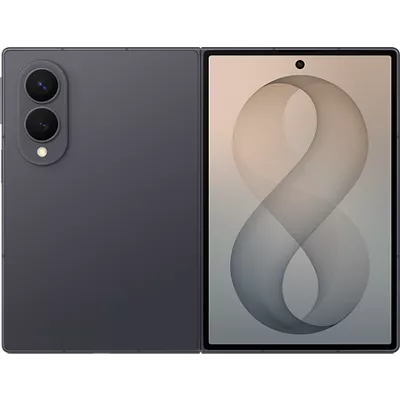
To figure out if you should hold off on your upgrade, you first have to evaluate what is currently on the table. The Pixel 11 is powered by the custom Tensor G6 processor and is paired with a solid 12GB of RAM across all base models. It delivers the quintessential Google software experience, boasting incredible AI photography tools like Magic Eraser, the latest Gemini Assistant capabilities, and a stunningly bright Super Actua display.
Right now, US buyers can find incredible Google Pixel 11 deals through major carriers like Verizon, AT&T, and T-Mobile. During Black Friday and the holiday season, aggressive trade-in promotions often allow consumers to snag the Pixel 11 for essentially free (with a qualifying trade-in and a lengthy billing contract).
But why are so many people hesitating? Because while the Pixel 11 is a beautiful refinement of Google's vision, it is still built on a foundational hardware architecture that has historically struggled. Power users are well aware of the minor thermal throttling under heavy gaming, the battery drain associated with 5G connectivity, and the occasional cellular network drop. The Pixel 11 minimizes these issues, but the Pixel 12 is engineered to eradicate them entirely.
The Tensor G7 "LaJolla" and the 2nm Revolution
The primary reason thousands of Android enthusiasts are planning to skip the Pixel 11 boils down to three letters and a single number: TSMC 2nm.
Since the inception of the Tensor program with the Pixel 6, Google has partnered with Samsung to manufacture its custom chips. The Pixel 11's Tensor G6 is part of this lineage. While Samsung's fabrication process is capable, its nodes run inherently hotter and less efficiently than those produced by industry leader TSMC.
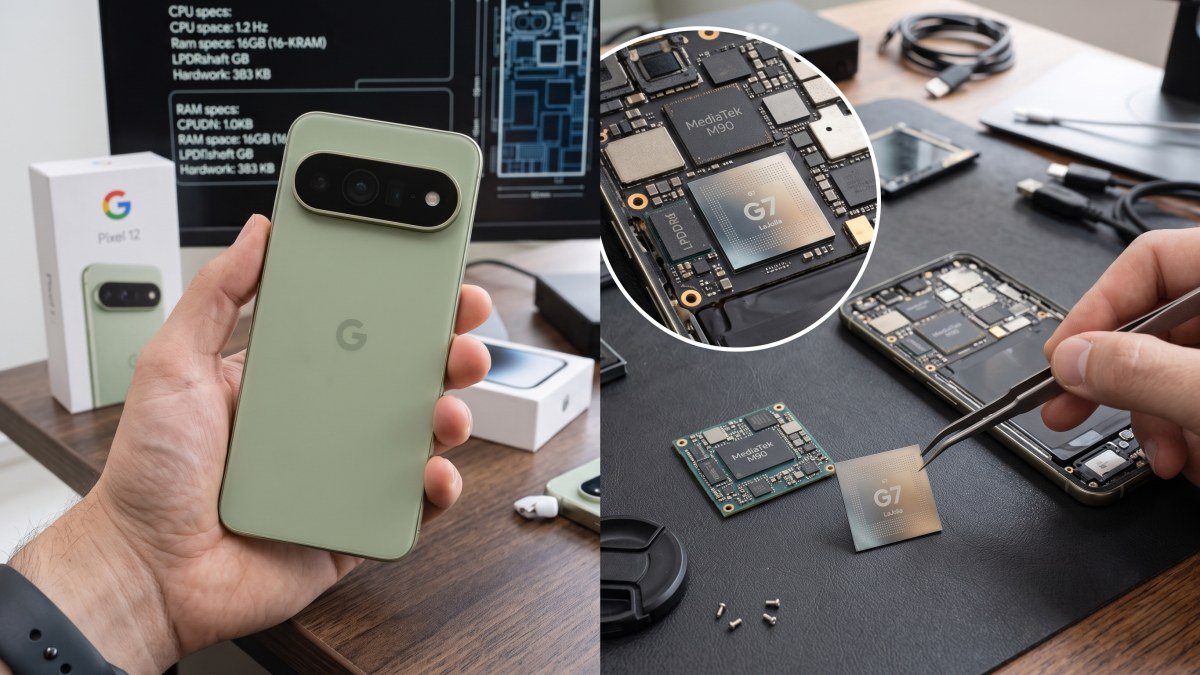
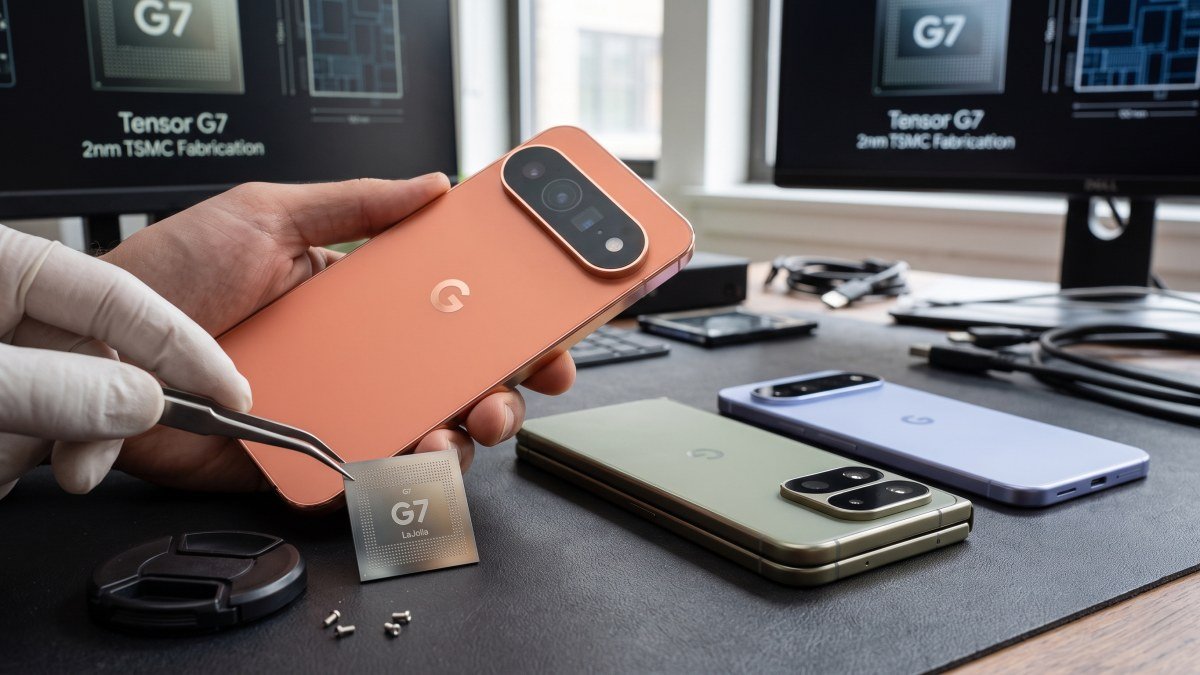
According to robust supply chain leaks regarding the Pixel 12 series leaks, next year's device will feature the Tensor G7 processor (internally codenamed "LaJolla"). For this chip, Google is completely cutting manufacturing ties with Samsung and moving production entirely to TSMC's cutting-edge 2nm node.
In practical terms, a 2nm architecture packs transistors insanely close together. This allows the processor to push electrical signals with drastically less voltage. The result is a smartphone chip that runs significantly faster, handles heavy AI workloads without turning your phone into a pocket heater, and fundamentally transforms battery endurance. If you suffer from battery anxiety, the 2nm Tensor G7 is the ultimate cure.
The Connectivity Leap: Enter the MediaTek Modem
Another critical factor in the Pixel 11 vs Pixel 12 debate is cellular network stability. Older Pixels often suffered from weak cellular reception and dropped calls due to the Samsung Exynos modems integrated directly into the Tensor chipset architecture.
Recent Tensor G7 specs indicate that the Pixel 12 will abandon Samsung networking hardware entirely, integrating a highly efficient MediaTek M90 modem instead. MediaTek has built a stellar reputation for engineering incredibly stable, low-power 5G modems. This hardware swap is specifically designed to fix the notorious network drops and 5G battery drain that plague many modern smartphones. If you live in an area with spotty US 5G coverage, waiting for the MediaTek M90 modem inside the Pixel 12 could be the difference between a dropped work conference call and crystal-clear, reliable communication.
LPDDR6 RAM and AI Future-Proofing
Artificial Intelligence is the driving force behind modern flagship smartphones, and running localized AI requires massive amounts of high-speed memory. The current Pixel 11 utilizes LPDDR5X RAM, which is undeniably fast. However, the Pixel 12 is heavily rumored to make the jump to the next-generation LPDDR6 RAM standard.
This generational leap in memory bandwidth ensures that the Pixel 12 will be able to run massive Gemini AI models entirely locally on the device without breaking a sweat. It means instant text generation, real-time video processing, and lightning-fast voice transcription without ever needing to ping a cloud server. If you want a phone that will remain aggressively fast for Google's promised seven years of software updates, the hardware foundation of the Pixel 12 is clearly the superior long-term investment.
By the Numbers: Pixel 11 vs Pixel 12 Comparison
If you are a spec-heavy buyer, here is a quick breakdown of how the current flagship compares to the leaked specifications of next year's model:
| Feature / Component | Google Pixel 11 (Current) | Google Pixel 12 (Leaked for 2027) |
|---|---|---|
| Processor | Tensor G6 | Tensor G7 "LaJolla" |
| Fabrication Node | Samsung Foundry | TSMC 2nm |
| RAM Standard | LPDDR5X (12GB Base) | LPDDR6 (12GB+ Base) |
| 5G Modem | Samsung Exynos | MediaTek M90 |
| Thermal Profile | Standard | Ultra-Efficient / Cool Running |
Holiday Discounts vs. The Waiting Game
Ultimately, this decision comes down to your current financial situation and how badly you actually need a new phone today. During the massive US holiday shopping season, you can easily secure a heavily discounted Pixel 11. If budget is your primary concern, the aggressive carrier deals available right now offer unmatched value.
Conversely, when the Pixel 12 officially launches in the second half of 2027, it will command a full retail flagship price tag. You will undoubtedly be paying a premium for the 2nm TSMC technology, the lightning-fast LPDDR6 RAM, and the brand-new MediaTek modem. The question is whether that premium is worth the wait.
The Final Verdict: Who Should Buy and Who Should Wait?
Buy the Pixel 11 If: Your current phone has a shattered screen, a dying battery, or is so old that it is no longer receiving vital security updates. The Pixel 11 is a fantastic, highly capable camera phone right now. If you can snag it on a massive holiday discount or via a lucrative carrier trade-in, it is an excellent, practical investment today. Be sure to browse the best phone deals in the USA to maximize your savings.
Wait for the Pixel 12 If: You are currently using a Pixel 8, Pixel 9, or a relatively recent Samsung Galaxy device that still functions perfectly well. The foundational hardware shift coming to the Pixel 12—specifically the TSMC 2nm Tensor G7 processor and the new MediaTek 5G modem—represents the biggest technological leap in Google’s hardware history. It promises to be the uncompromising, battery-efficient flagship we have been waiting for, and it is absolutely worth holding out for until 2027.