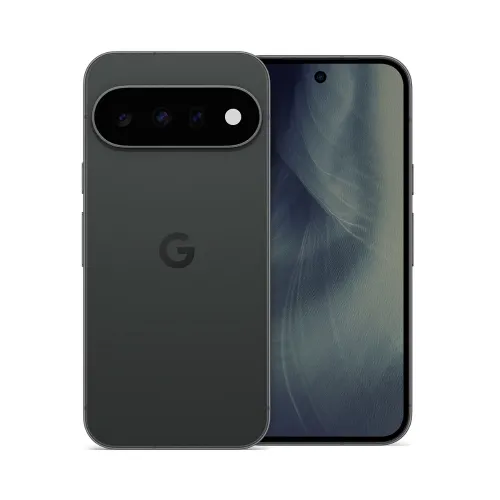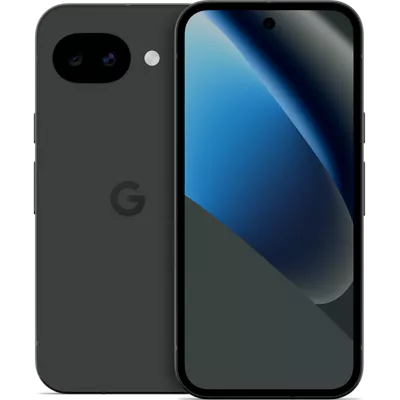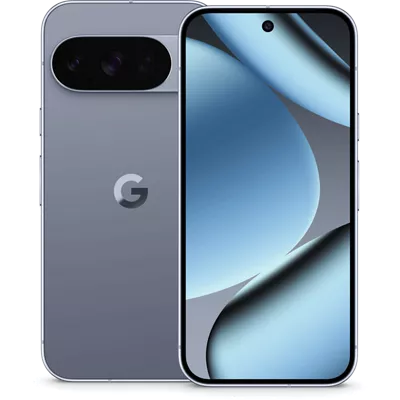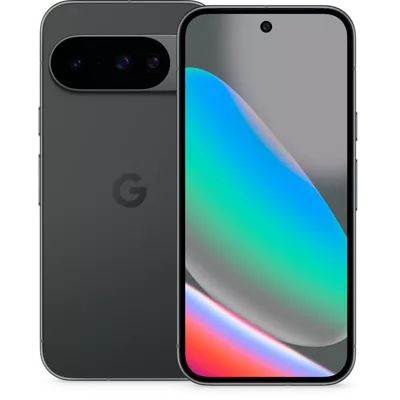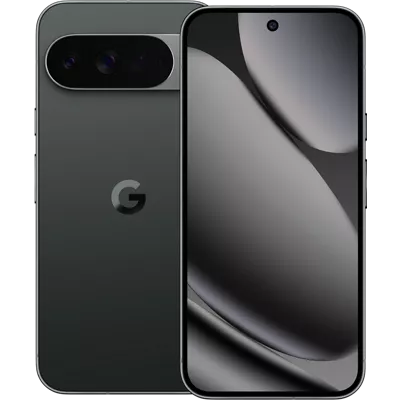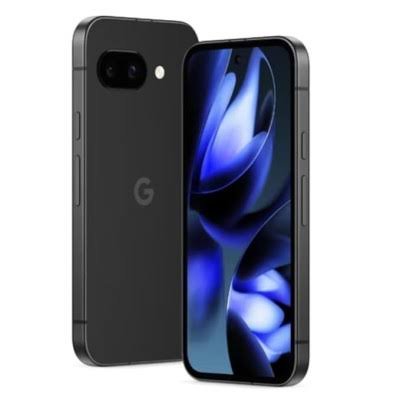
Google Pixel 11’s New AI Camera Trick is Genius, But Users Are Calling It "Terrifying"
For the past decade, the definition of a "good" smartphone camera was strictly defined by optical physics: how much light the sensor could capture, the quality of the glass lenses, and the accuracy of the color science. But with the release of the Google Pixel 11, the fundamental rules of photography have been permanently shattered. Google has officially shifted the narrative from capturing a moment to completely fabricating one.
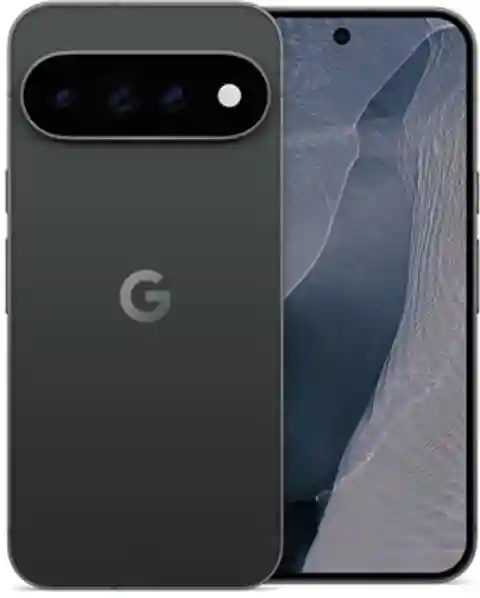
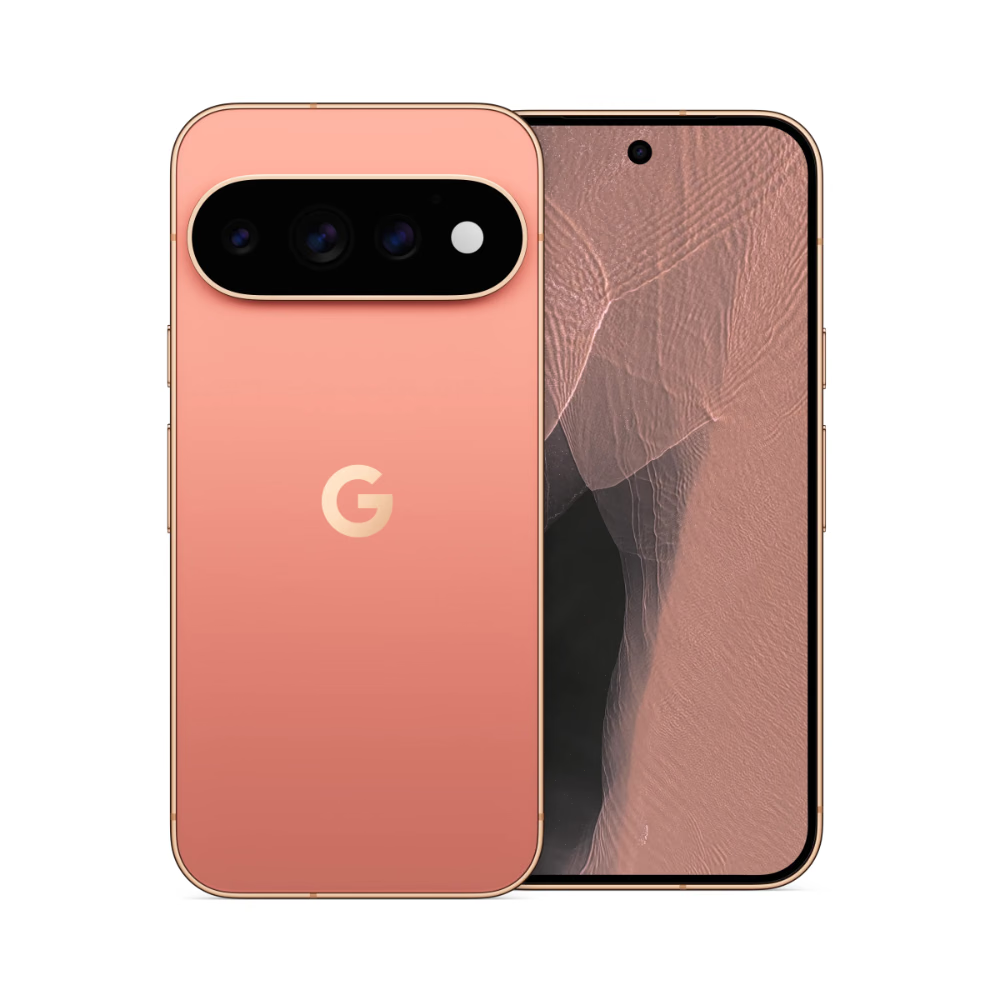
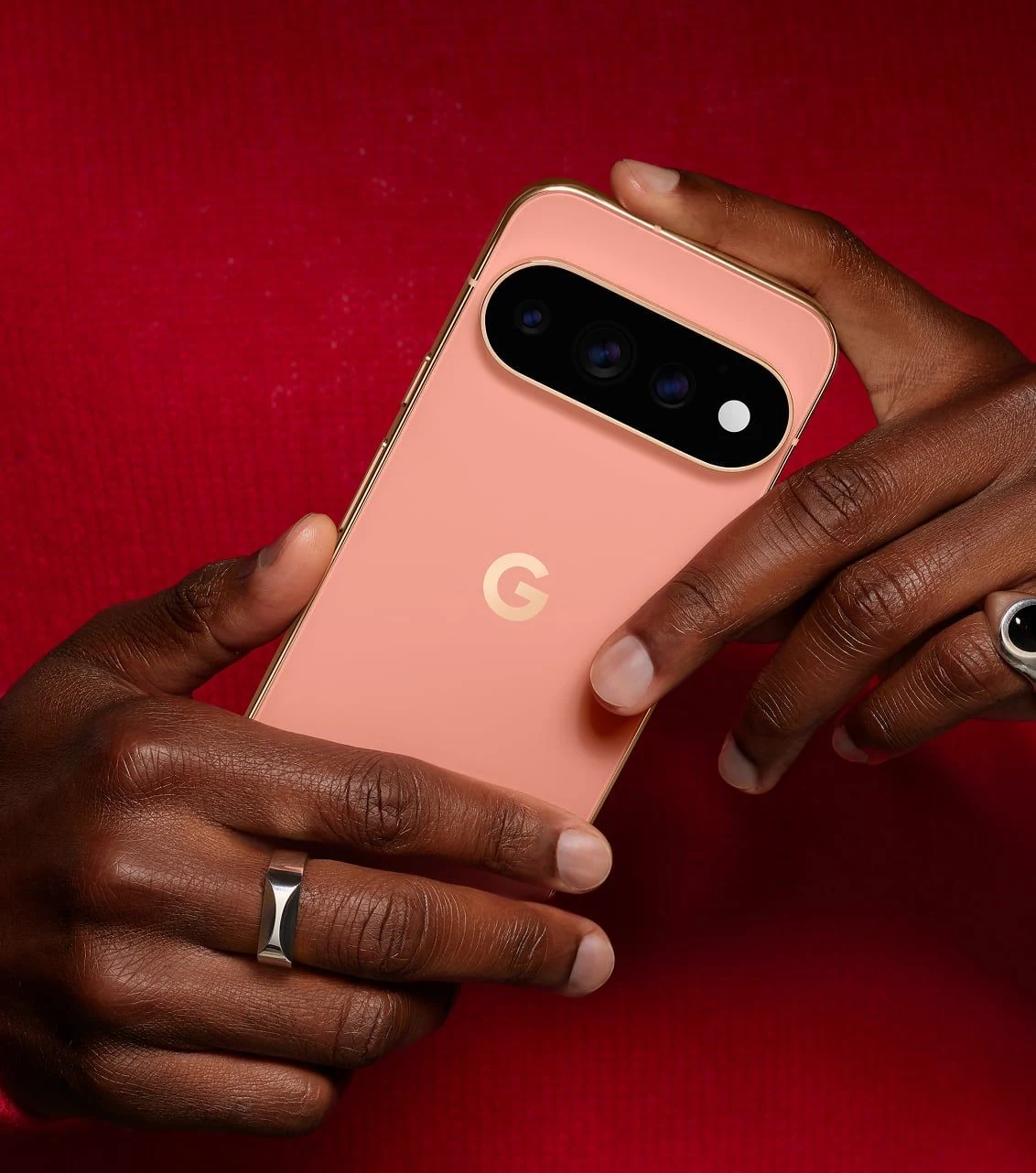
Powered by the highly anticipated Tensor G6 chip, the Pixel 11 and Pixel 11 Pro introduce a suite of generative AI photo editing tools that are so aggressively advanced, they have sparked a massive cultural debate. While tech enthusiasts and casual social media users are hailing these new tricks as absolute genius, professional photographers and digital ethicists are using a very different word: "terrifying."
Here is a deep dive into the Pixel 11’s most controversial AI camera features, the growing anxiety over digital authenticity, and why this device might just change how we trust our own memories.
The Genius: Editing Reality Post-Capture
Google’s computational photography has always been industry-leading. Features like Magic Eraser and Best Take paved the way for AI intervention, but the Pixel 11 takes it to an entirely new, almost unbelievable extreme.
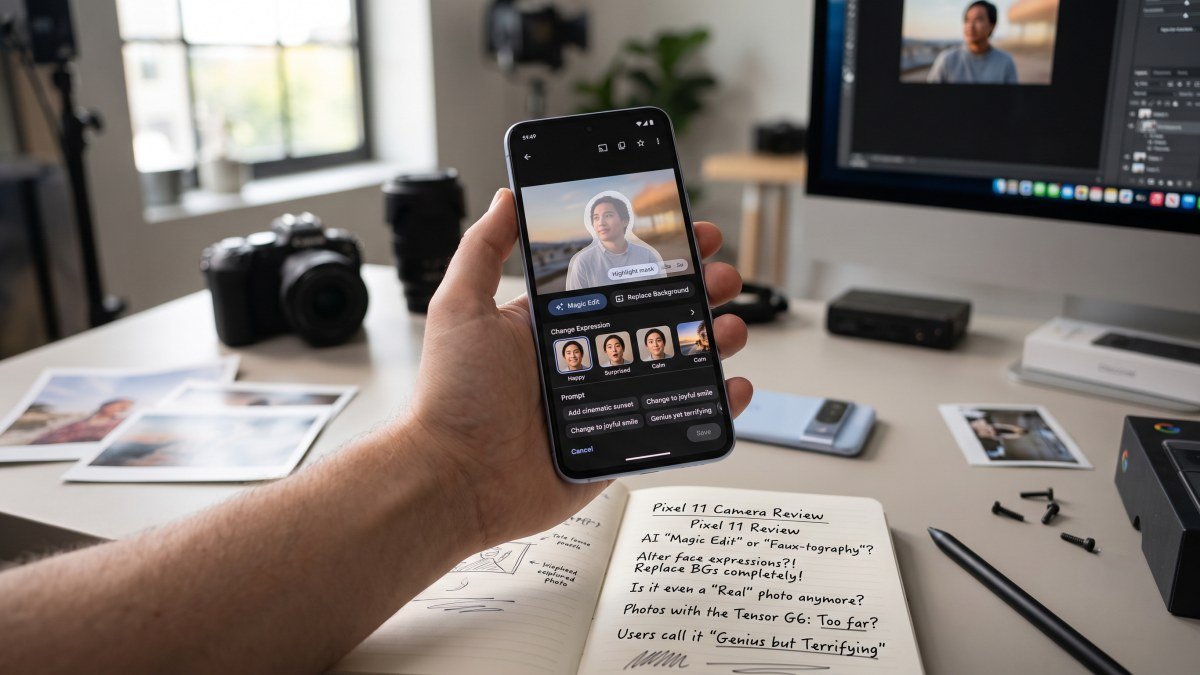
Thanks to the localized generative AI processing capabilities of the Tensor G6 processor, users can now fundamentally alter the reality of a photo after they have pressed the shutter button. The most talked-about feature is the new "Generative Expression" tool. If you take a group photo and one person is scowling or looking away, the Pixel 11 does not simply swap their head with another frame from a burst shot (as previous models did). Instead, it uses generative AI to analyze the subject's face and literally draw a realistic smile or open their eyes, creating a synthetic facial expression that never actually happened in real life.
Beyond faces, the new "Contextual Background Replacement" is equally mind-blowing. Instead of just blurring a messy background, users can prompt the Gemini AI to completely replace the environment. You can take a photo in a cluttered living room, highlight the background, and type "golden hour at a Parisian cafe." Within seconds, the Tensor G6 perfectly isolates your subject, generates the requested scene with accurate depth-of-field, and dynamically adjusts the lighting on your face to match the fake Parisian sunset.
From a purely technological standpoint, it is pure genius. Google has successfully democratized advanced, Hollywood-level VFX and Photoshop skills, placing them directly into the hands of everyday consumers without requiring a single tutorial.
The Terrifying Reality: The Death of the "Real" Photo
While fixing a ruined family photo sounds incredibly convenient, the aggressive nature of these AI tools has triggered a massive backlash online. The core of the anxiety comes down to a philosophical question: What constitutes a real photograph anymore?
Historically, a photograph was an objective, physical record of light hitting a sensor at a specific moment in time. It captured reality—flaws, messy backgrounds, and awkward expressions included. The Pixel 11 blurs the line between photography and digital illustration.
Users and critics are calling the feature "terrifying" because it introduces a severe uncanny valley effect into our personal memories. If you look back at a family photo from 2026 ten years from now, will you be looking at a genuine moment of happiness, or a synthetic smile generated by a Google algorithm because someone was having a bad day? When every photo can be instantly manipulated to perfection, the inherent authenticity and emotional weight of a photograph are entirely stripped away.
Furthermore, this raises serious concerns about digital trust. If a standard smartphone can flawlessly replace a background or alter a facial expression in three seconds, how can we trust any image we see on social media, dating apps, or even in casual text messages?
Google vs. Apple: The Diverging Paths of Smartphone AI
This controversy highlights a massive philosophical split between the two biggest players in the US smartphone market: Google and Apple.
With the Pixel 11, Google is fully leaning into the idea that a smartphone camera is a creative engine rather than a documentary tool. Their marketing emphasizes the final result: getting the "perfect" shot, regardless of how much synthetic intervention it takes to get there.
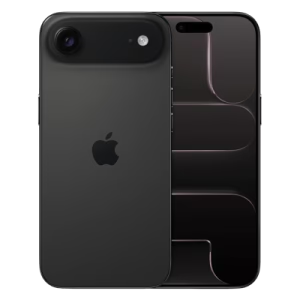
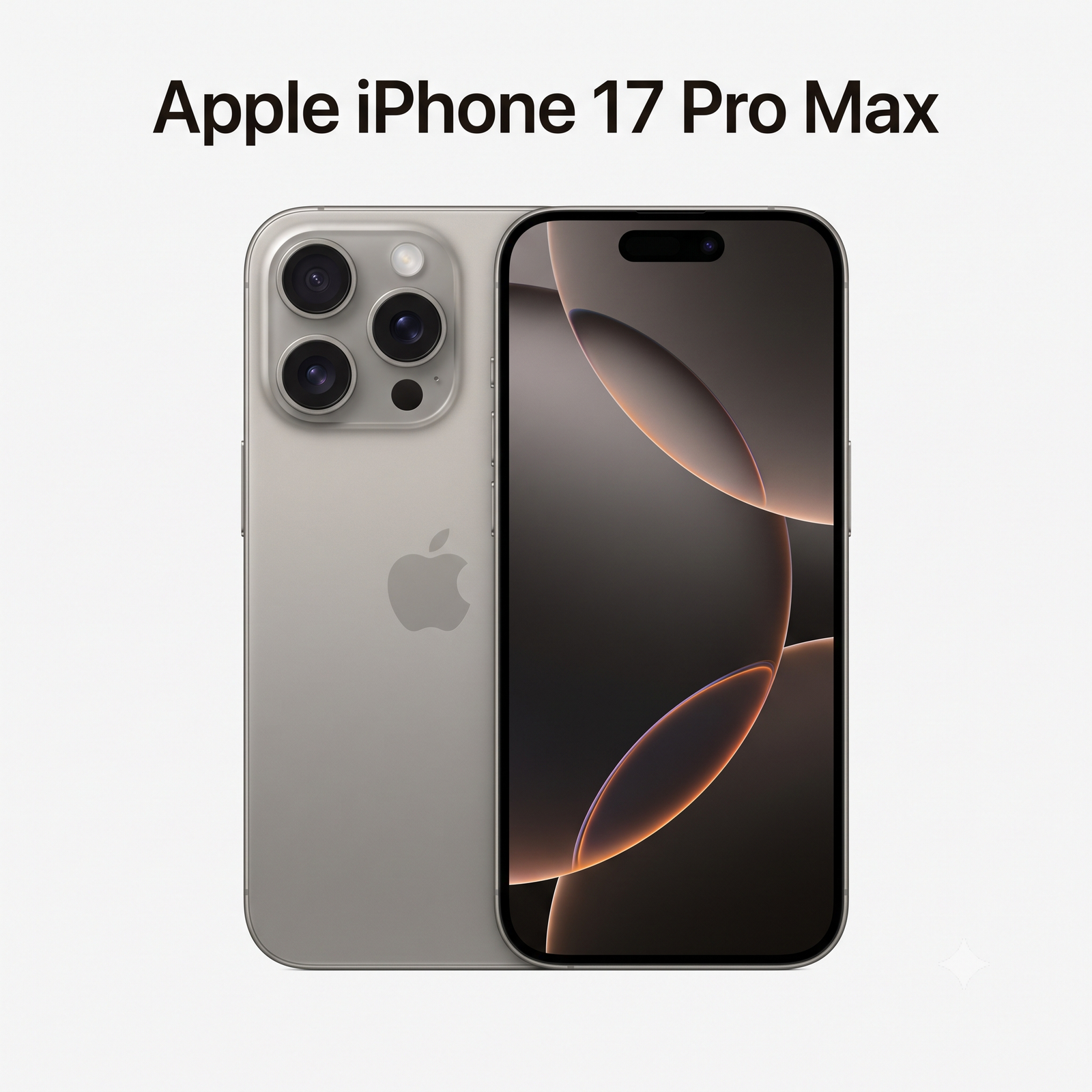
Conversely, Apple is taking a noticeably more conservative approach. While the iPhone 18 Pro Max features advanced Apple Intelligence, the company has intentionally restricted its generative AI from altering human faces or faking environments in standard photographs. Apple’s image processing focuses on enhancing what was actually there—adjusting dynamic range, reducing noise, and balancing skin tones—while leaving the fundamental reality of the moment intact.
Where Do We Draw the Line?
The Google Pixel 11 is an undeniable engineering marvel. The fact that a device sitting in your pocket can generate synthetic reality in real-time is a testament to the sheer power of the Tensor G6 chip. For content creators, social media influencers, and anyone who simply wants a flawless Instagram grid, the Pixel 11 is the ultimate tool.
But the backlash proves that consumers are still grappling with the psychological impact of generative AI. The uncanny ability to rewrite our own visual history on a whim is a pandora’s box that, once opened, cannot be closed.
Will you embrace the AI-generated perfection of the Pixel 11, or do you prefer the flawed authenticity of traditional photography? If you are ready to experiment with the future of mobile AI, check out our guide to the best phone deals in the USA to find the deepest carrier discounts on Google's controversial new flagship. For more editorial deep dives and tech culture debates, keep reading the DevDuniya tech blogs!