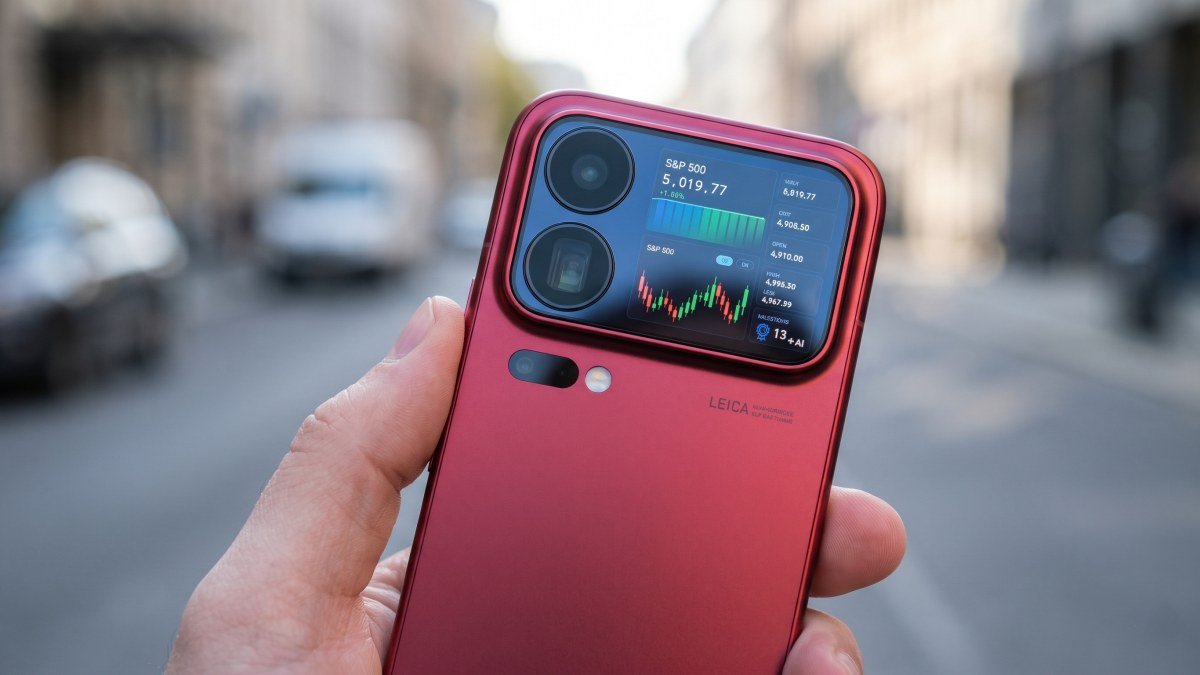
Xiaomi 18 Pro Global Launch Approaching: Hands-On Look at the Compact Flagship with Rear Display
If you walk into any major US carrier store today, the smartphone selection is remarkably predictable. You will find a wall of Apple iPhones, a wall of Samsung Galaxy devices, and perhaps a small endcap dedicated to Google Pixels. While these devices are incredibly capable, their designs have become fiercely stagnant. American consumers are being force-fed a diet of minor iterative updates, while the overseas smartphone market continues to experiment with wild, futuristic hardware.
However, the global smartphone landscape is about to experience a massive disruption. Following a highly successful domestic launch in China, the Xiaomi 18 Pro global launch is officially approaching for late 2026 and early 2027. We managed to get an early hands-on look at the global variant of this highly anticipated device, and it completely shatters the mold of what a modern smartphone should look like.
By combining an incredibly comfortable compact form factor with a stunning secondary rear display and a powerhouse Leica-branded camera system, the Xiaomi 18 Pro is making current US flagships look decidedly boring. If you are a tech enthusiast tired of the standard glass-slab duopoly and want to know how this imported beast holds up on American soil, here is our comprehensive hands-on review of the Xiaomi 18 Pro.
The Return of the Rear Display: Gimmick or Genius?
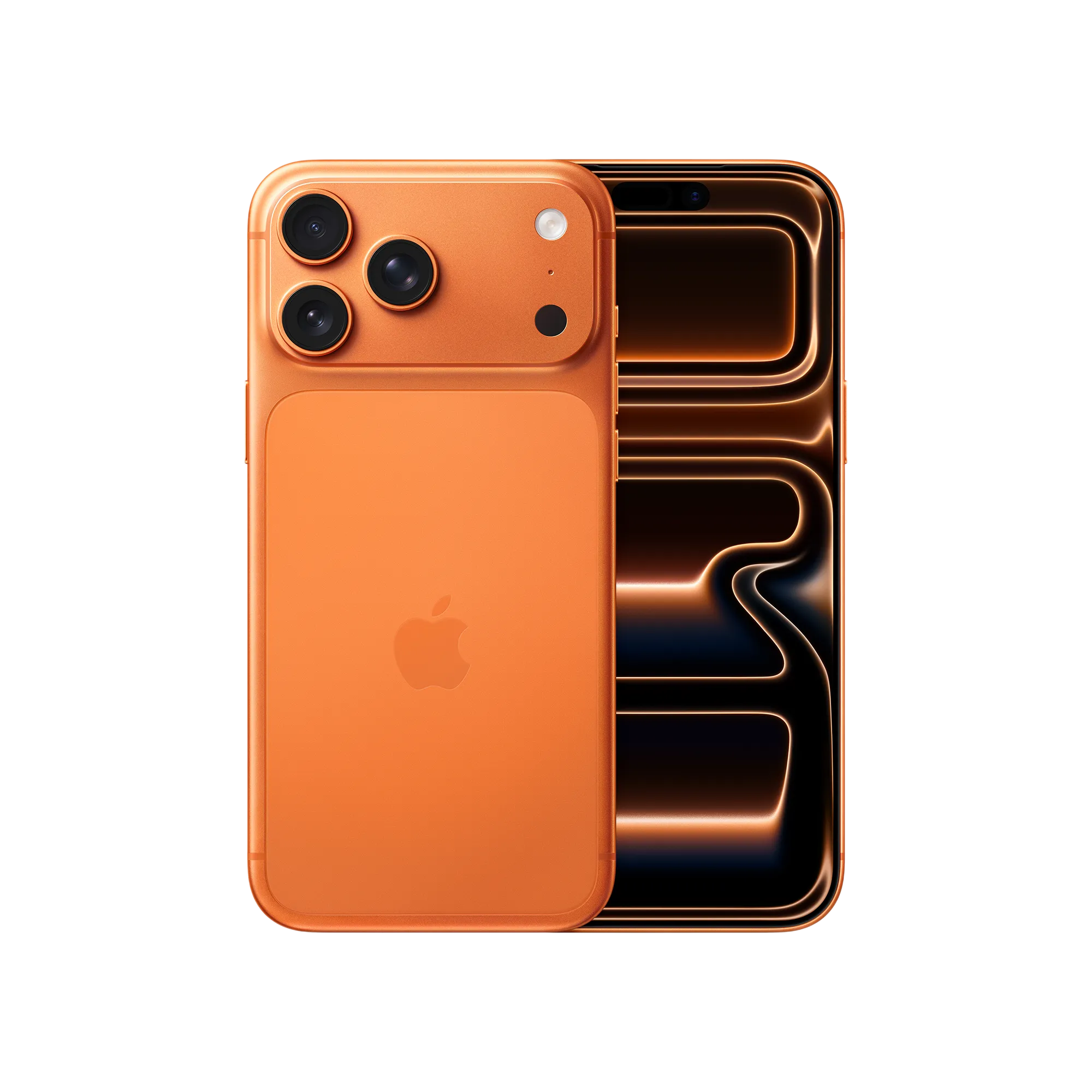
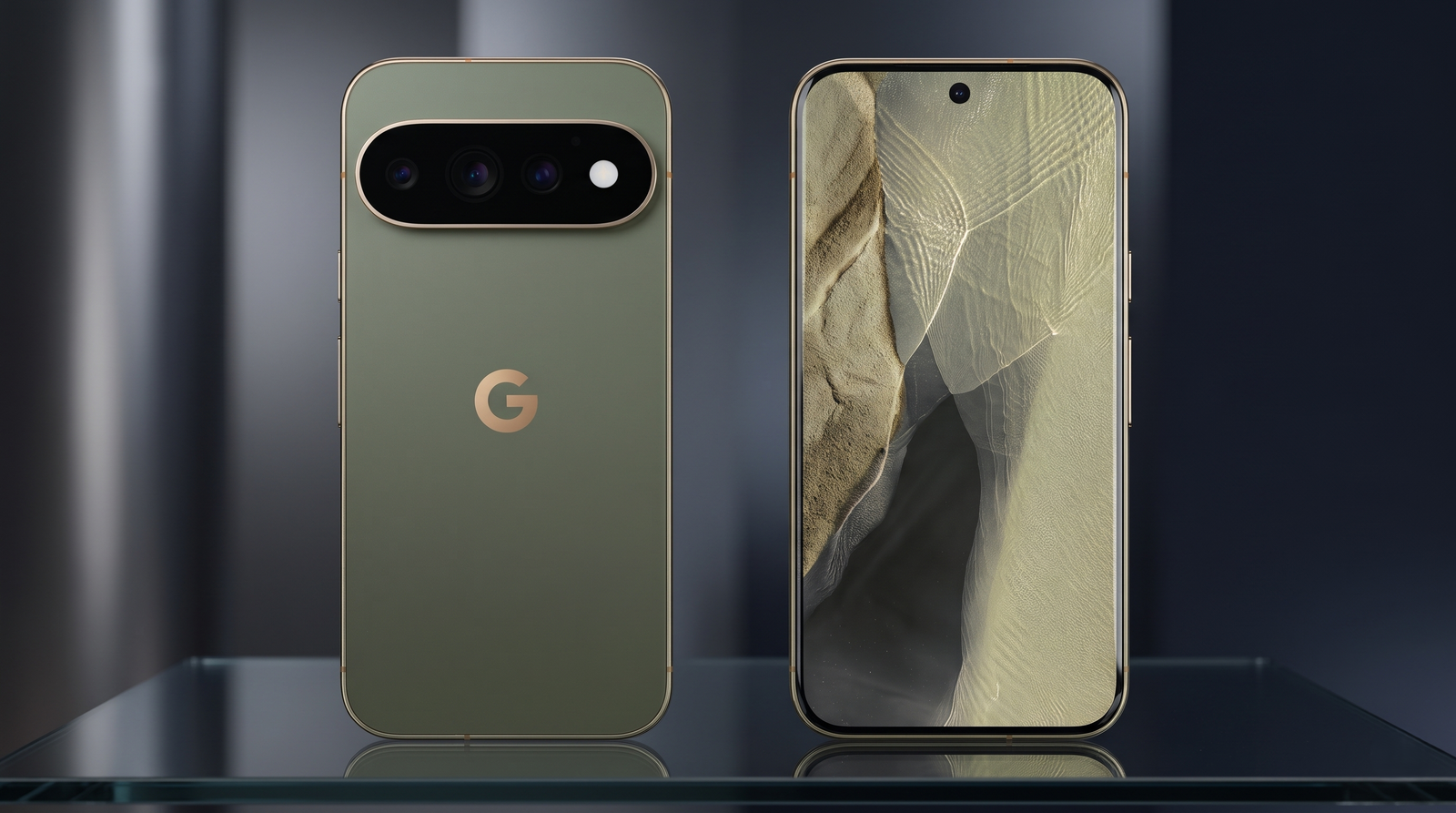
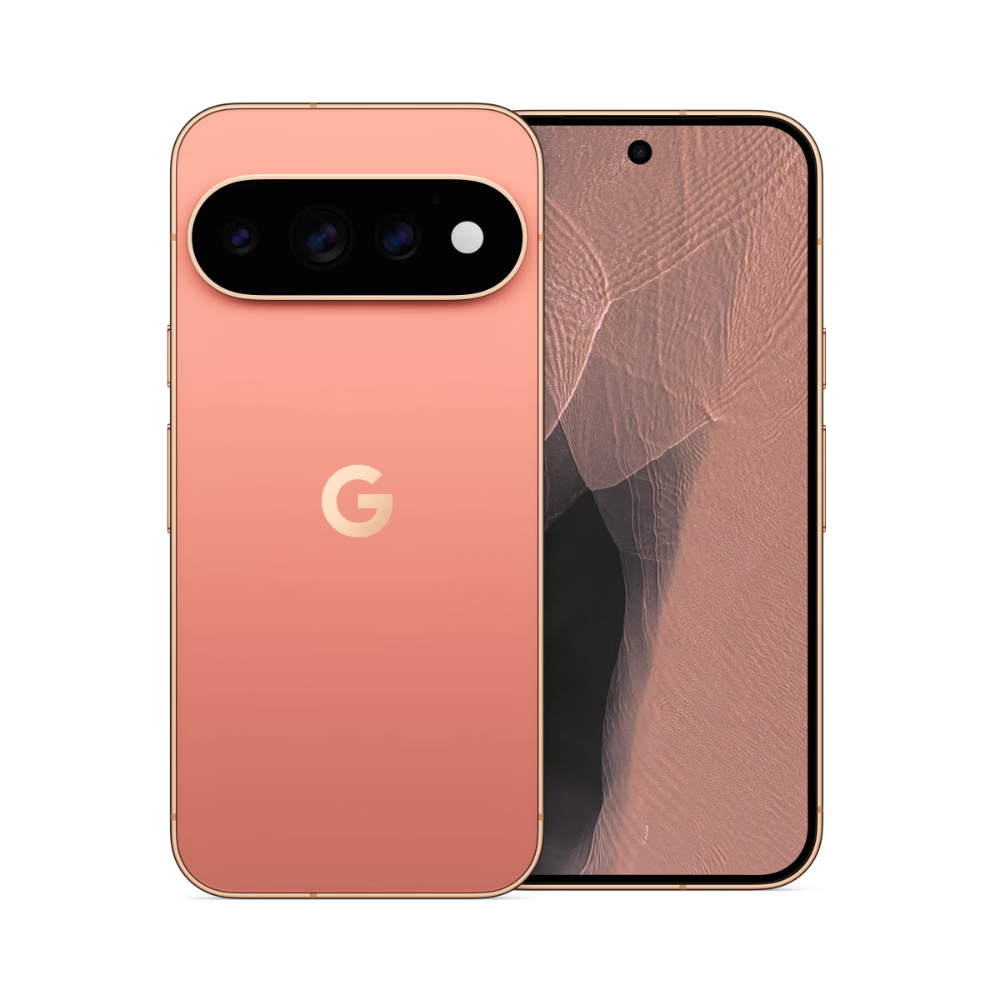
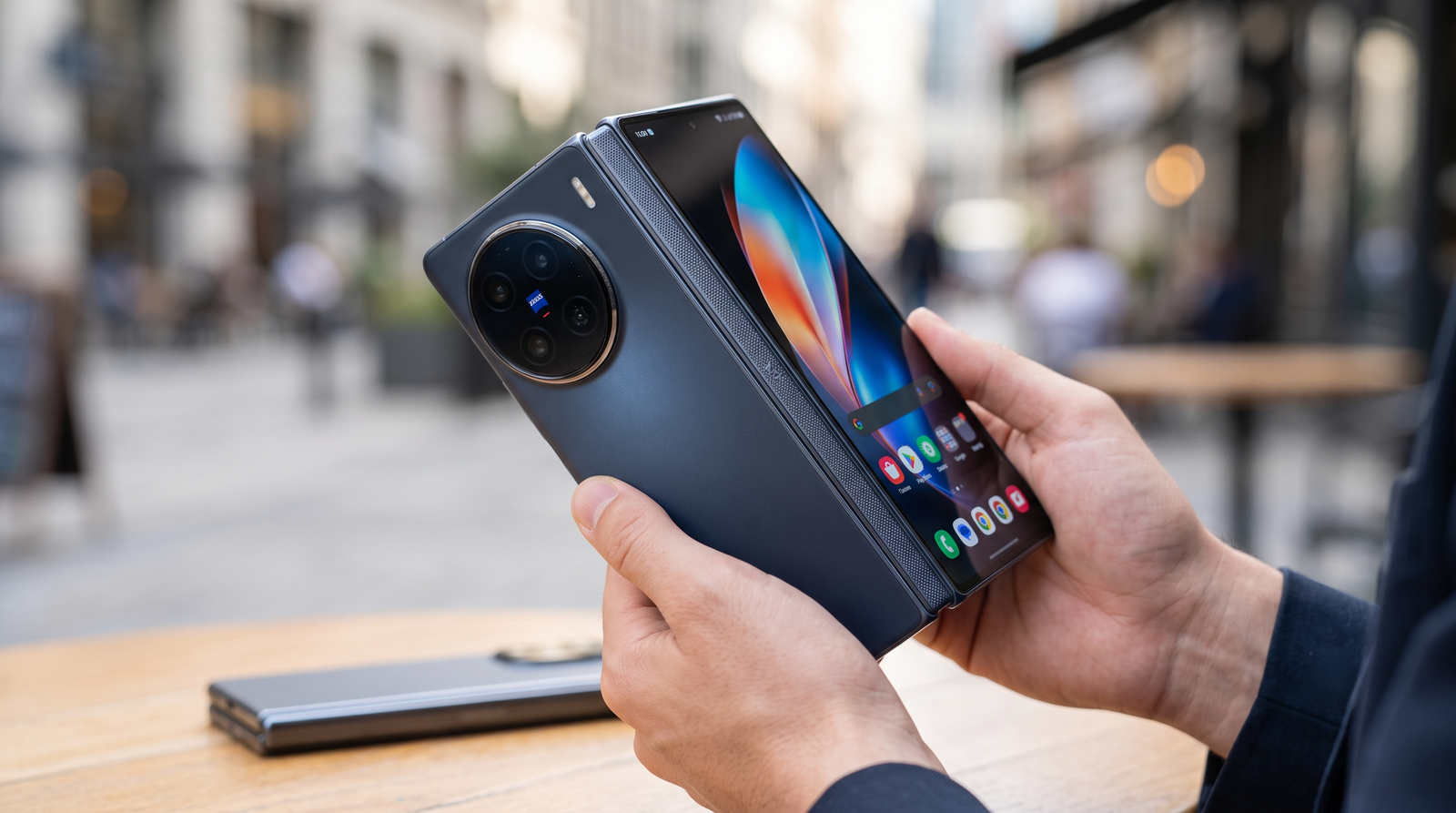
The most visually striking feature of the Xiaomi 18 Pro is undeniably the secondary rear display. Housed neatly adjacent to the massive Leica camera module, this 1.5-inch AMOLED screen is not just a flashy design gimmick; it fundamentally changes how you interact with your device.
For the past few years, we have seen manufacturers dabble with rear screens (most notably on the older Xiaomi Mi 11 Ultra), but the software integration was always clunky. With the new HyperOS 3.0 operating system running on the Xiaomi 18 Pro, the rear display is finally useful.
- The Ultimate Selfie Camera: The most significant advantage of the rear display is photography. Instead of relying on a tiny, inferior front-facing camera for selfies or vlogging, you can now use the massive 50MP Leica primary sensor to frame your shots perfectly, using the rear screen as your viewfinder. The difference in quality, dynamic range, and natural bokeh is staggering compared to a standard iPhone 18 Pro front camera.
- Notification Triage: If you are in a meeting or at dinner, you can leave your phone face down on the table. The rear display will light up with rich, customizable widgets showing your incoming texts, calendar alerts, and Spotify media controls, allowing you to stay connected without constantly unlocking your primary 6.36-inch screen.
- Battery Conservation: Checking the time or reading a quick text on a 1.5-inch screen draws a fraction of the power required to light up the main display, subtly improving your daily battery endurance.
A True "Compact" Flagship in a Phablet World
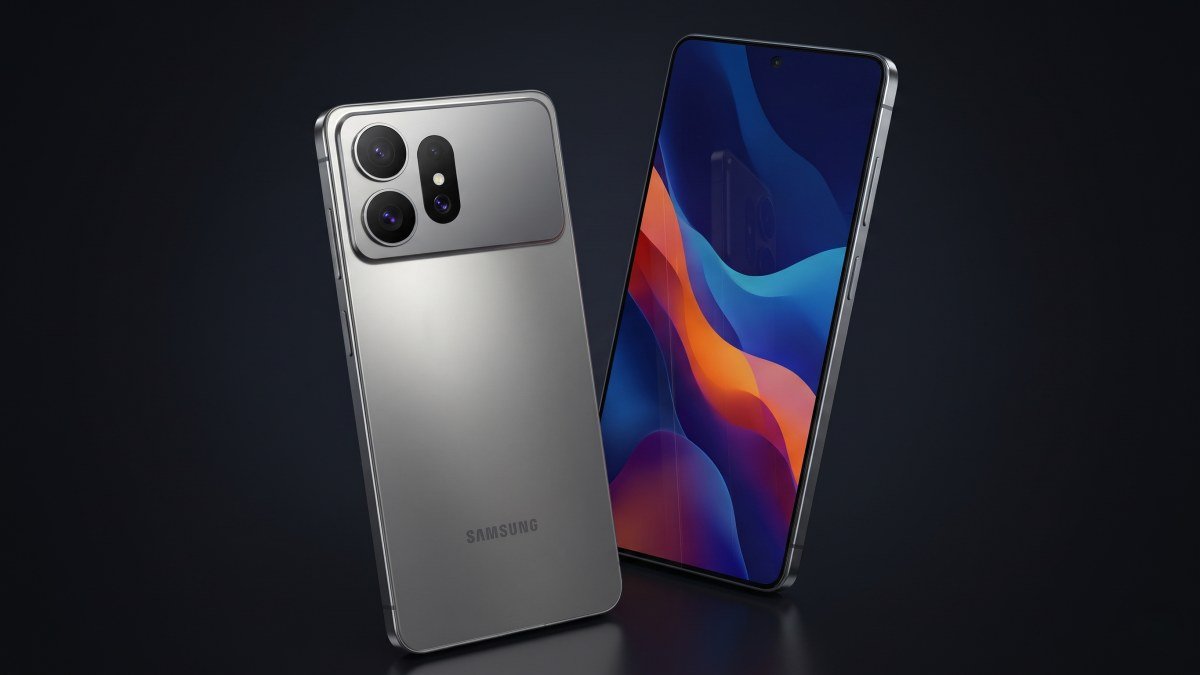
One of the loudest complaints from US smartphone buyers is the extinction of the small phone. If you want top-tier processing power and the best cameras, you are usually forced to buy a 6.8-inch or 6.9-inch behemoth that barely fits in your pocket. This is why the leaked Samsung Galaxy S27 Pro is generating so much hype—people desperately want smaller flagships.
The Xiaomi 18 Pro delivers exactly that. It features a perfectly flat, 6.36-inch LTPO OLED display wrapped in a premium, aerospace-grade titanium frame. It is designed for flawless one-handed usability. Your thumb can easily reach the opposite corner of the screen without uncomfortable hand gymnastics. Despite its smaller physical footprint, the display pushes an incredible 3,500 nits of peak brightness, making it perfectly legible under direct, blinding sunlight.
Leica Cameras and 2027 Silicon: Zero Compromises
Xiaomi’s partnership with the legendary German optics company Leica has produced some of the best smartphone cameras in the world, and the 18 Pro is their most refined system yet.
The rear module houses a triple 50MP array: a wide, an ultrawide, and a 3.2x floating telephoto periscope lens. Unlike the bloated digital processing found on some US flagships, the Leica integration offers two distinct color profiles: "Leica Authentic" (which produces rich, moody, DSLR-like contrast with natural vignetting) and "Leica Vibrant" (for bright, punchy social media shots).
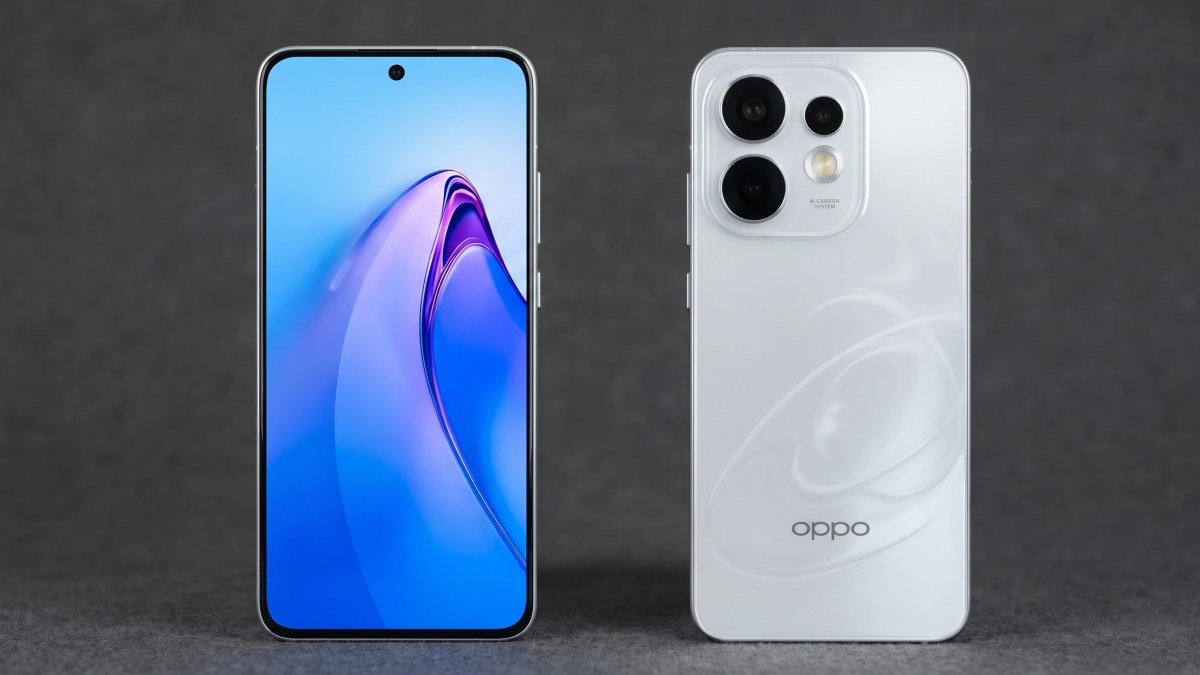
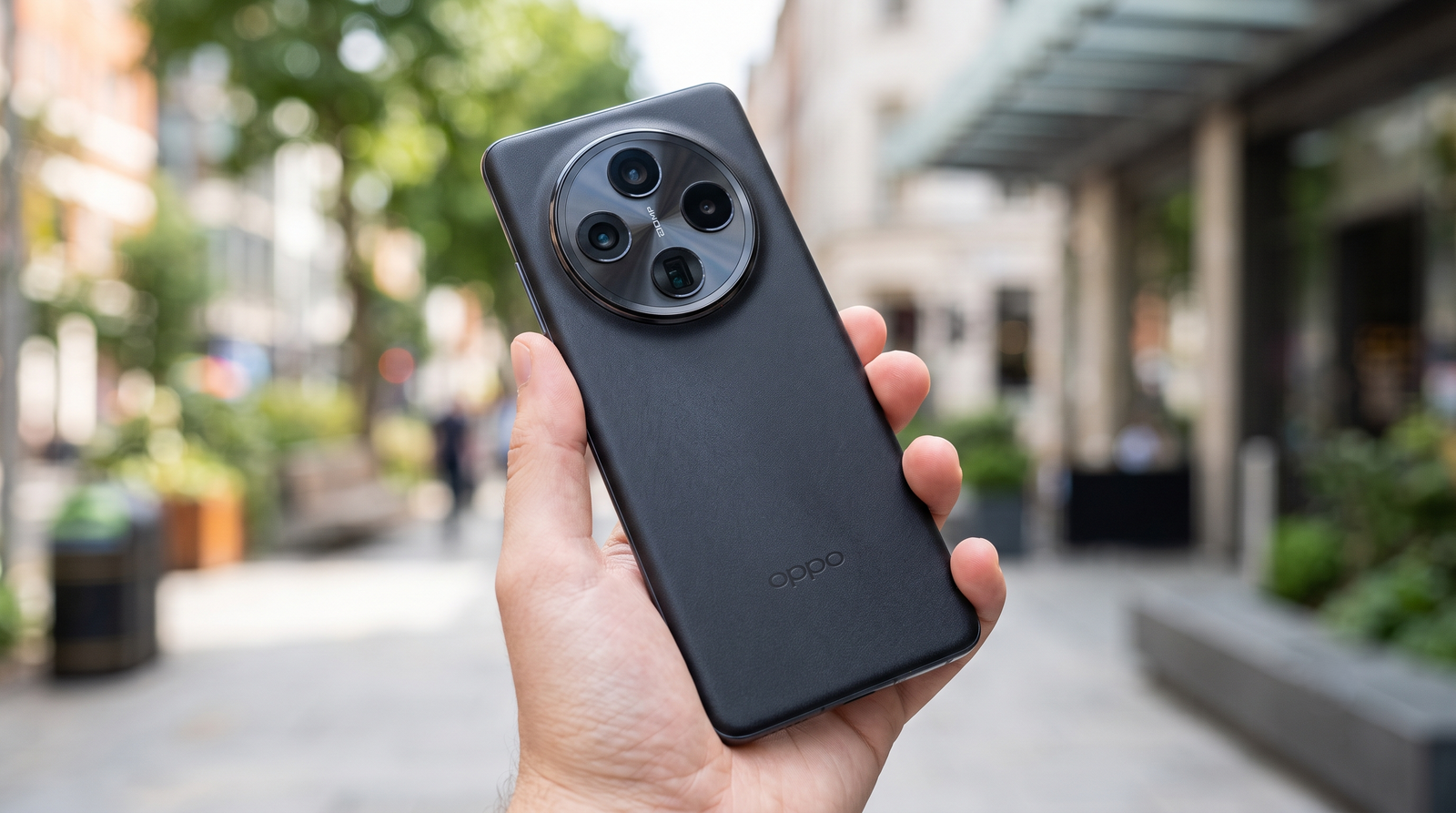
While the OPPO Reno 17 boasts a quad-camera setup, Xiaomi’s 3.2x floating telephoto lens is a mechanical marvel. It can physically shift its internal lens elements to achieve a staggering 10cm minimum focus distance, allowing it to double as one of the sharpest macro cameras ever put on a smartphone.
Underneath the hood, the Xiaomi 18 Pro is powered by the Qualcomm Snapdragon 8 Elite Gen 6 processor. Combined with 16GB of LPDDR5X RAM, this phone chews through 4K video rendering and heavy emulation gaming without breaking a sweat, all while managing thermal output via an oversized vapor cooling chamber.
Battery Life: The Silicon-Carbon Upgrade
How do you fit flagship power and a secondary rear screen into a compact chassis without sacrificing battery life? You ditch traditional graphite batteries.
Xiaomi has equipped the 18 Pro with a 5,400mAh Silicon-Carbon battery. This next-generation battery chemistry packs significantly more energy density into a smaller physical space. Even with heavy photography and the rear display active, this compact phone easily powers through a day and a half of heavy usage.
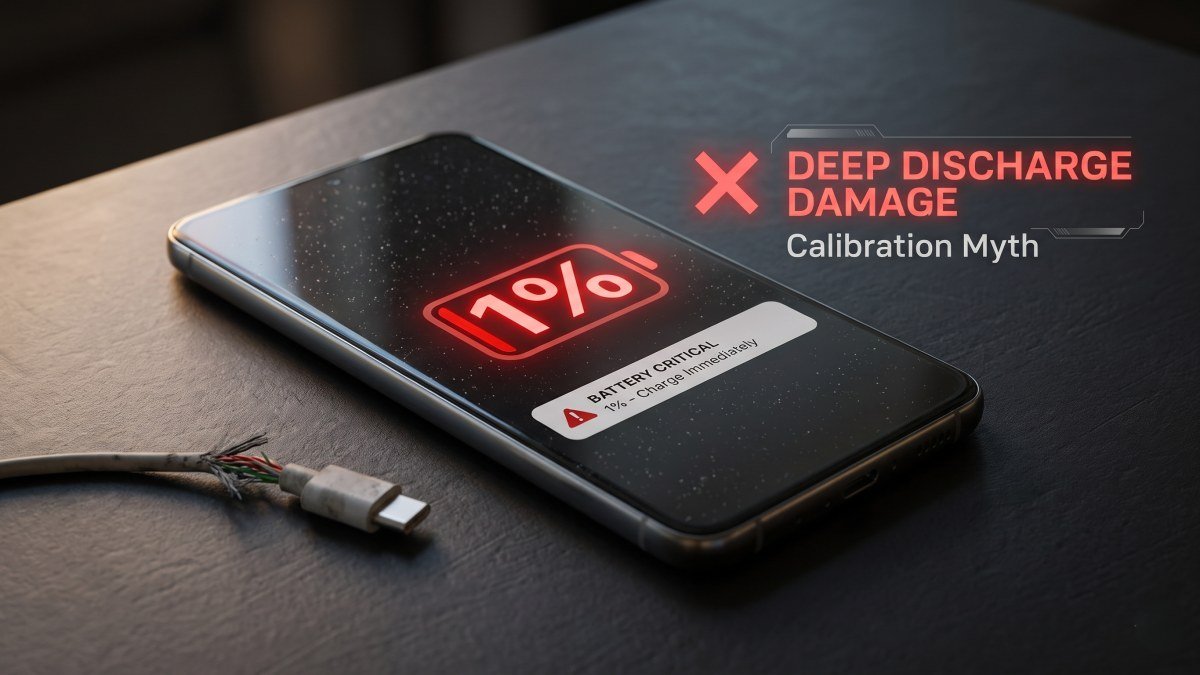
Furthermore, it features 90W wired fast charging and 50W wireless charging. As a reminder, to protect this cutting-edge battery technology, you should ignore the old smartphone battery calibration myth—never drain this device to 0%. Keep it topped up between 20% and 80%, and the silicon-carbon cell will outlast the phone itself.
Spec Showdown: Xiaomi 18 Pro vs US Flagships
To truly understand how aggressive the global market is right now, here is how the Xiaomi 18 Pro stacks up against the top devices currently dominating the US carrier stores:
| Feature | Xiaomi 18 Pro (Global) | Google Pixel 11 Pro | Apple iPhone 18 Pro |
|---|---|---|---|
| Primary Display | 6.36" LTPO OLED (120Hz) | 6.3" Super Actua OLED (120Hz) | 6.3" Super Retina XDR (120Hz) |
| Unique Hardware | 1.5" AMOLED Rear Display | Thermometer Sensor | Camera Control Button |
| Processor | Snapdragon 8 Elite Gen 6 | Google Tensor G6 | Apple A20 Pro |
| Battery & Charging | 5,400mAh (90W Wired / 50W Wireless) | 4,700mAh (30W Wired) | 3,577mAh (35W Wired) |
| Estimated US Price | ~$899 (Imported) | $999 (Often heavily discounted for Black Friday) | $999 |
Swipe sideways to see all table columns →
- Xiaomi 18 Pro (Global)
- 6.36" LTPO OLED (120Hz)
- Google Pixel 11 Pro
- 6.3" Super Actua OLED (120Hz)
- Apple iPhone 18 Pro
- 6.3" Super Retina XDR (120Hz)
- Xiaomi 18 Pro (Global)
- 1.5" AMOLED Rear Display
- Google Pixel 11 Pro
- Thermometer Sensor
- Apple iPhone 18 Pro
- Camera Control Button
- Xiaomi 18 Pro (Global)
- Snapdragon 8 Elite Gen 6
- Google Pixel 11 Pro
- Google Tensor G6
- Apple iPhone 18 Pro
- Apple A20 Pro
- Xiaomi 18 Pro (Global)
- 5,400mAh (90W Wired / 50W Wireless)
- Google Pixel 11 Pro
- 4,700mAh (30W Wired)
- Apple iPhone 18 Pro
- 3,577mAh (35W Wired)
- Xiaomi 18 Pro (Global)
- ~$899 (Imported)
- Google Pixel 11 Pro
- $999 (Often heavily discounted for Black Friday)
- Apple iPhone 18 Pro
- $999
How to Buy the Xiaomi 18 Pro in the US
The Xiaomi 18 Pro is a masterpiece of mobile engineering, but acquiring one in the United States requires navigating the import market. Because Xiaomi does not have official carrier agreements in the US, you cannot simply finance this phone through AT&T or Verizon.
When the Xiaomi 18 Pro global launch officially drops, third-party electronics importers like Giztop, TradingShenzhen, and AliExpress will begin stocking the "Global ROM" variants. This is the crucial step: You must purchase the Global ROM version. If you buy the cheaper China ROM variant, you will not have native access to the Google Play Store, and you will be flooded with non-removable, regional bloatware.
Secondly, you must check network compatibility. Imported Xiaomi phones rarely support Verizon's strict CDMA network or their specific mmWave 5G towers. If you are on Verizon, do not buy this phone. However, if you use GSM-based networks like T-Mobile, Mint Mobile, or Google Fi, the Xiaomi 18 Pro usually supports the critical mid-band 5G frequencies (like bands n41 and n71) required for blistering-fast US internet speeds.
The Final Verdict
The Xiaomi 18 Pro is a breath of fresh air in a remarkably stale US smartphone market. By packing an innovative rear display, world-class Leica optics, and a massive 5,400mAh silicon-carbon battery into a highly comfortable 6.36-inch titanium chassis, Xiaomi has created the ultimate device for tech enthusiasts.
If you are willing to step outside the comfort zone of carrier financing and embrace the import market, the Xiaomi 18 Pro offers a level of hardware excitement and sheer daily utility that American brands simply cannot match right now. Keep an eye on our DevDuniya devices hub as we track the official global pricing and ultimate release dates heading into the 2027 tech season.