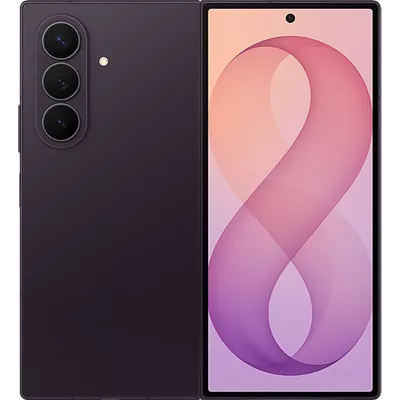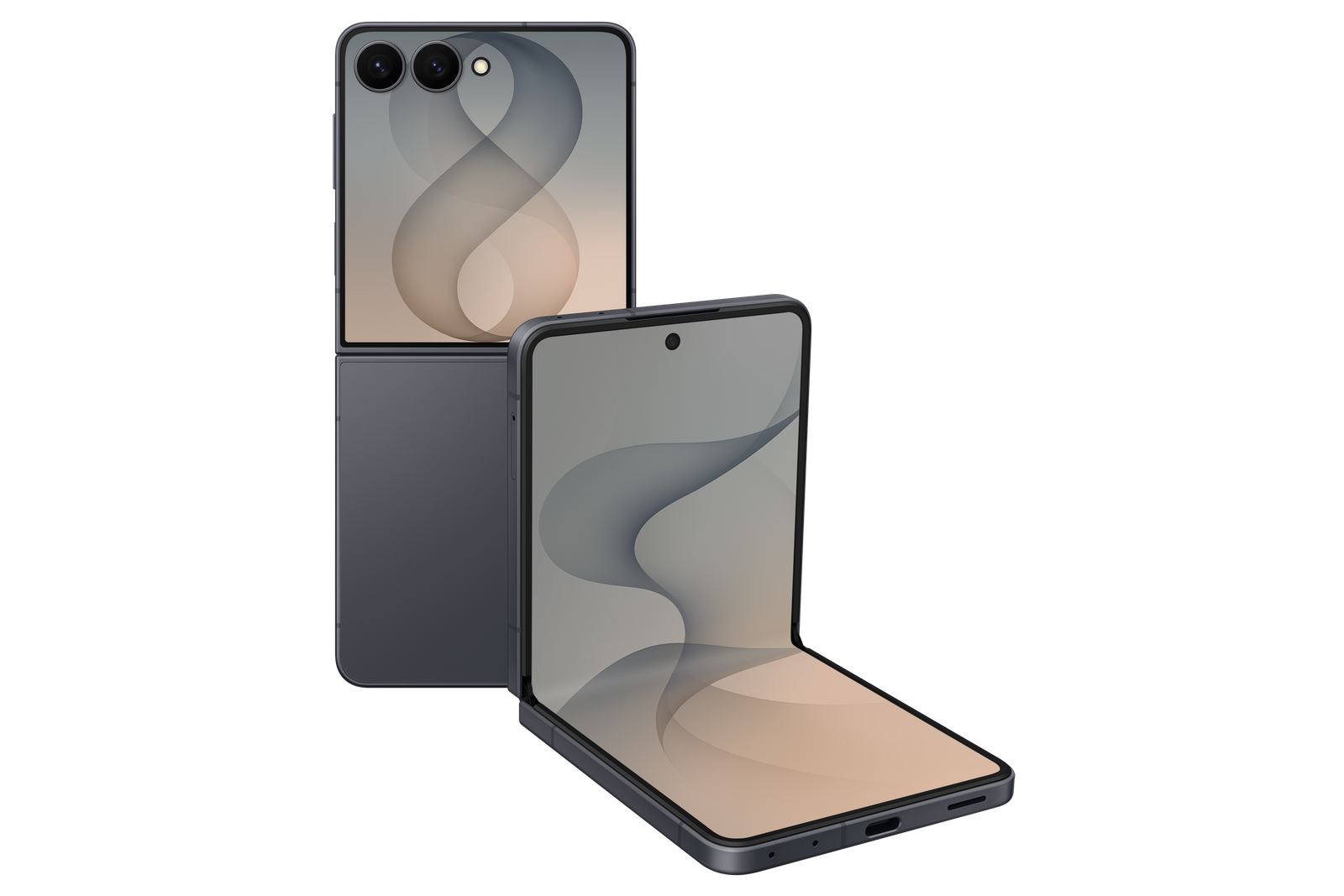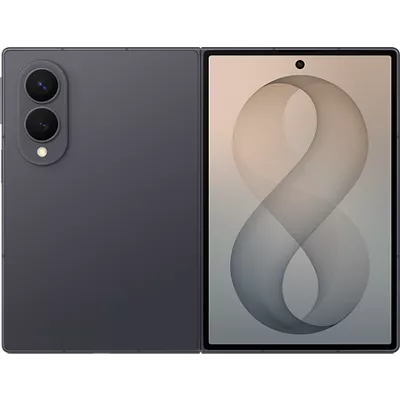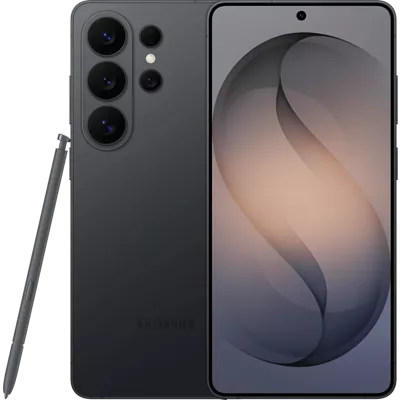
The Radical Overhaul: Why Samsung's One UI 10 is Dropping "App Silos" Forever
For over a decade, the foundational experience of using an Android smartphone has remained stubbornly identical: you unlock your device, stare at a static grid of colorful squares, and tap individual applications to complete isolated tasks. However, the smartphone industry has reached a breaking point with this traditional interface. Samsung is reportedly preparing to fundamentally rewrite the rules of mobile computing, aiming to completely eliminate standard "app silos" in favor of a dynamic, AI-driven experience.
According to recent insider reports, the upcoming Samsung One UI 10 redesign, Galaxy Z Fold 9 update will bring a radical, unprecedented shift in how millions of users interact with their Galaxy devices. Highly trusted tech insider Ice Universe recently confirmed that independent sources point to a massive, structural software overhaul aimed at drastically streamlining daily tasks. Built on top of Android 18, this highly ambitious software leap is expected to make its grand debut alongside the Galaxy Z Fold 9 in the second half of 2027.
If you are heavily invested in the Samsung ecosystem, this update represents the most significant paradigm shift since the original introduction of One UI. Here is a comprehensive deep dive into the concept of "Contextual Flow," the anticipated hardware synergy, and how Samsung plans to redefine the modern smartphone.
The Problem with Traditional "App Silos"
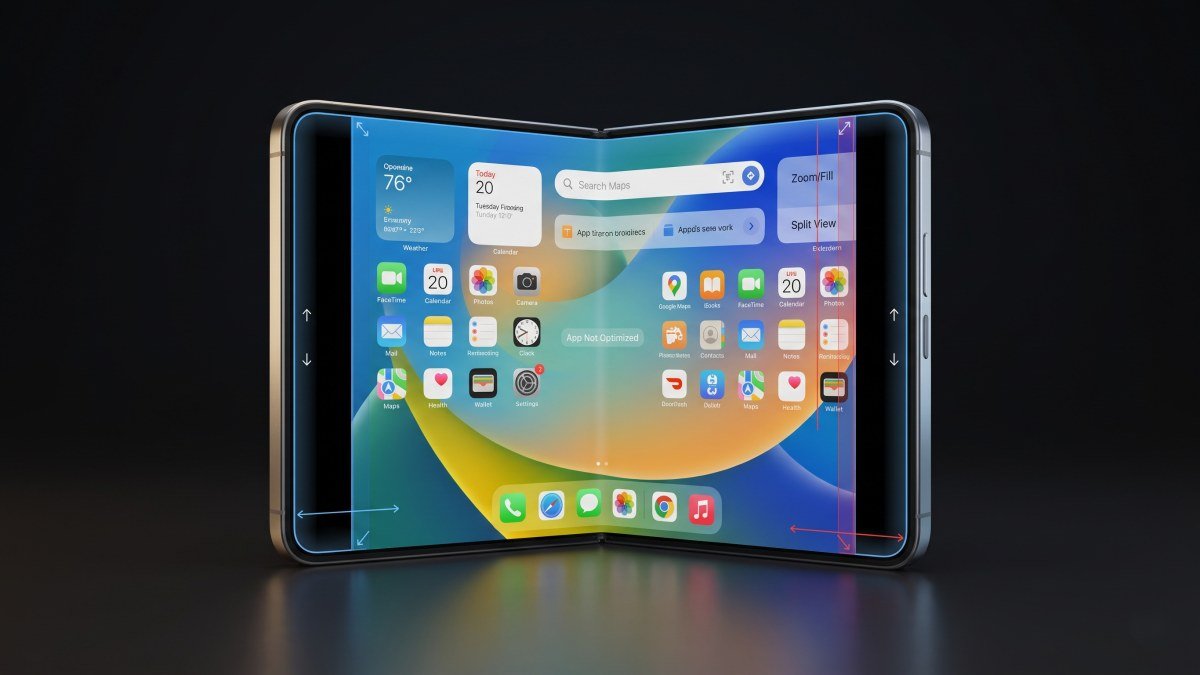
To understand why Samsung is taking such a massive gamble, we first have to understand the inherent limitations of the current smartphone interface. Today's operating systems rely entirely on "app silos." These are isolated environments that do not naturally communicate with one another without manual user intervention.
Think about a standard daily workflow: if you are planning a meeting, you might open your calendar application to check your availability. You then close it and open a weather app to see if it will rain during your commute. Finally, you open a messaging app to text your colleague the details. This fragmented process requires excessive tapping, deep menu navigation, and a high cognitive load just to accomplish a single, unified goal.
Samsung’s development team has recognized that the industry has reached a saturation point with this standard app-centric paradigm. The sheer number of installed applications on modern devices like the Samsung Galaxy S26 Ultra has turned the simple act of finding information into a chore. The One UI 10 redesign aims to systematically target and eliminate these hidden menu layers and extra taps.
Enter "Contextual Flow" and Ambient Data Panels
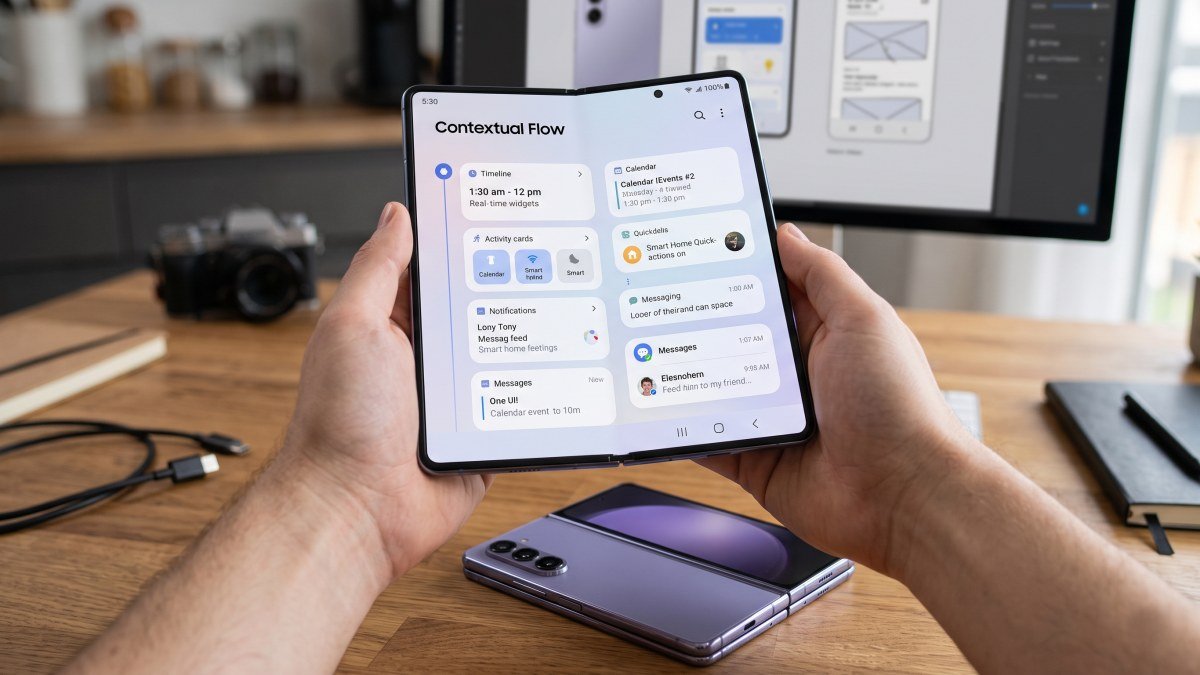
The core philosophy driving the One UI 10 redesign is a concept internally referred to as "Contextual Flow over App Silos". Instead of forcing users to juggle multiple isolated applications, One UI 10 aims to merge real-time data organically, creating fluid viewports that adapt to exactly what you need at any given moment.
This is achieved through the introduction of "Ambient Data Panels". Rather than opening separate apps, critical information will surface dynamically inside translucent, floating interface elements. By leveraging deep, on-device AI, the operating system will anticipate your needs based on your location, the time of day, and your routine habits.
- Morning Routines: Upon waking, an Ambient Data Panel might seamlessly blend your daily calendar events directly alongside the morning weather forecast and live traffic updates for your specific commute.
- Travel Integration: If you are heading to the airport, the UI could automatically generate a unified viewport displaying your flight status, digital boarding pass, and ride-sharing transportation details in one place.
- Visual Fluidity: Reports indicate the interface will utilize soft lighting effects and liquid-like animations, creating a cleaner visual experience that reduces interruptions while keeping vital info visible.
Why the Galaxy Z Fold 9 is the Perfect Launchpad
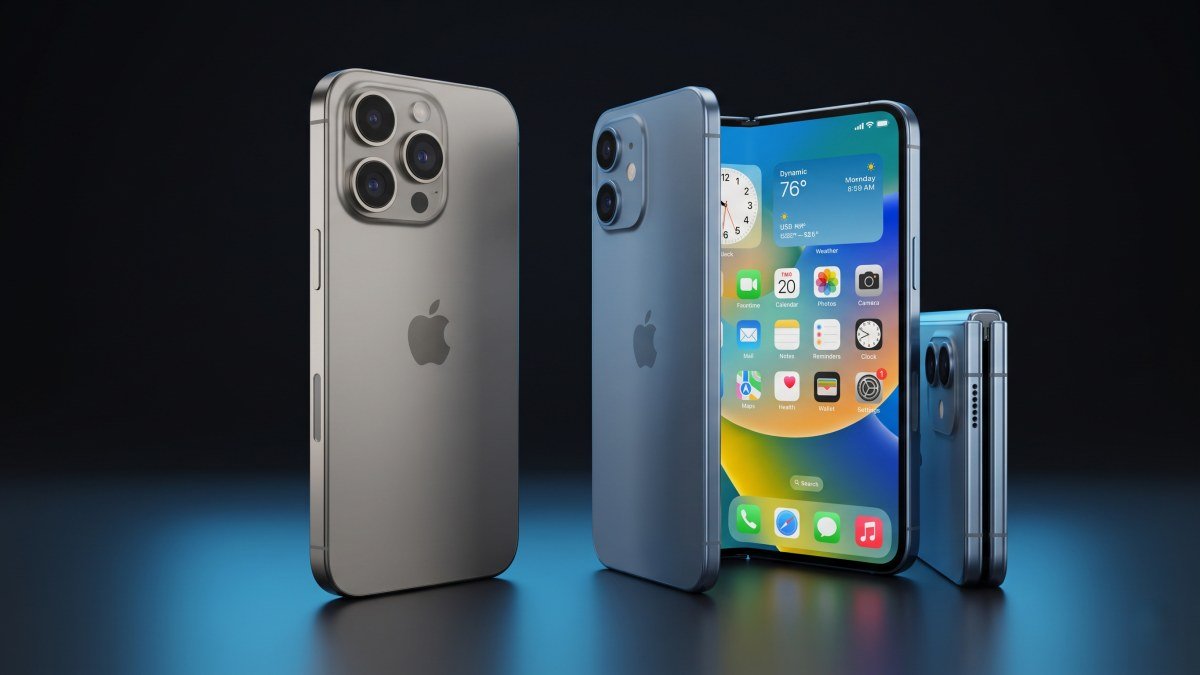
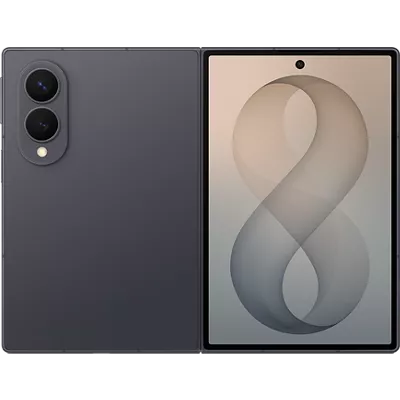
It is no coincidence that Samsung is allegedly timing the launch of One UI 10 with the release of the Galaxy Z Fold 9 in mid-2027. A UI based on fluid, contextual panels requires a massive amount of screen real estate to function effectively without feeling cluttered.
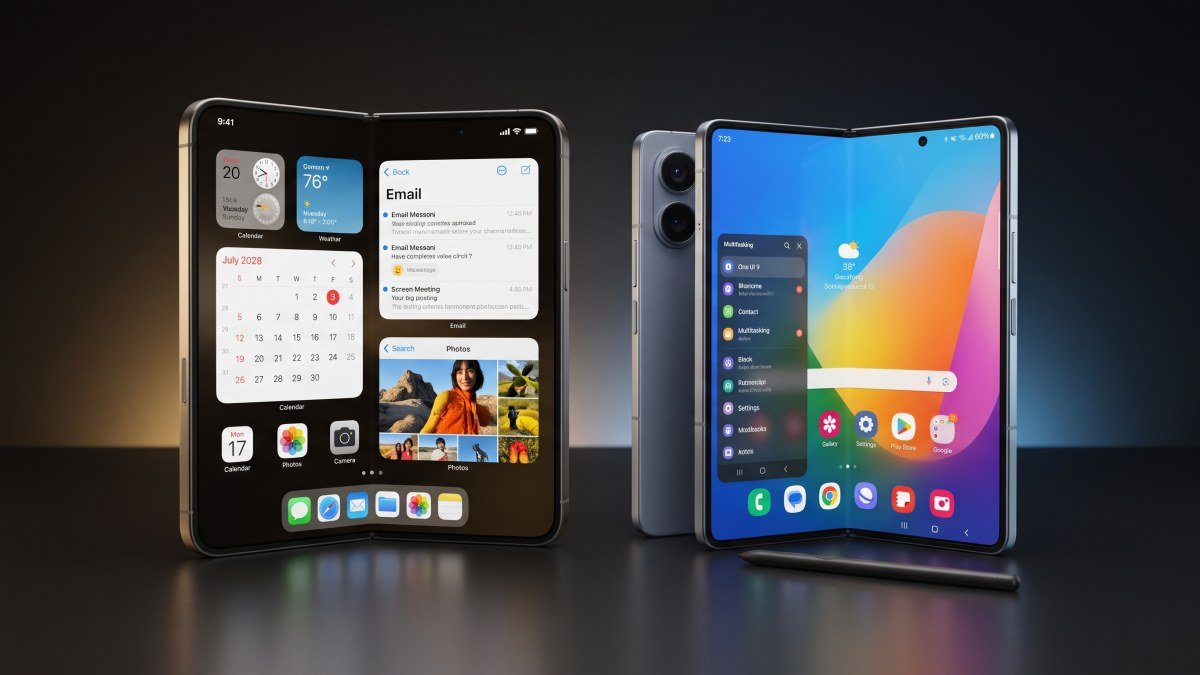
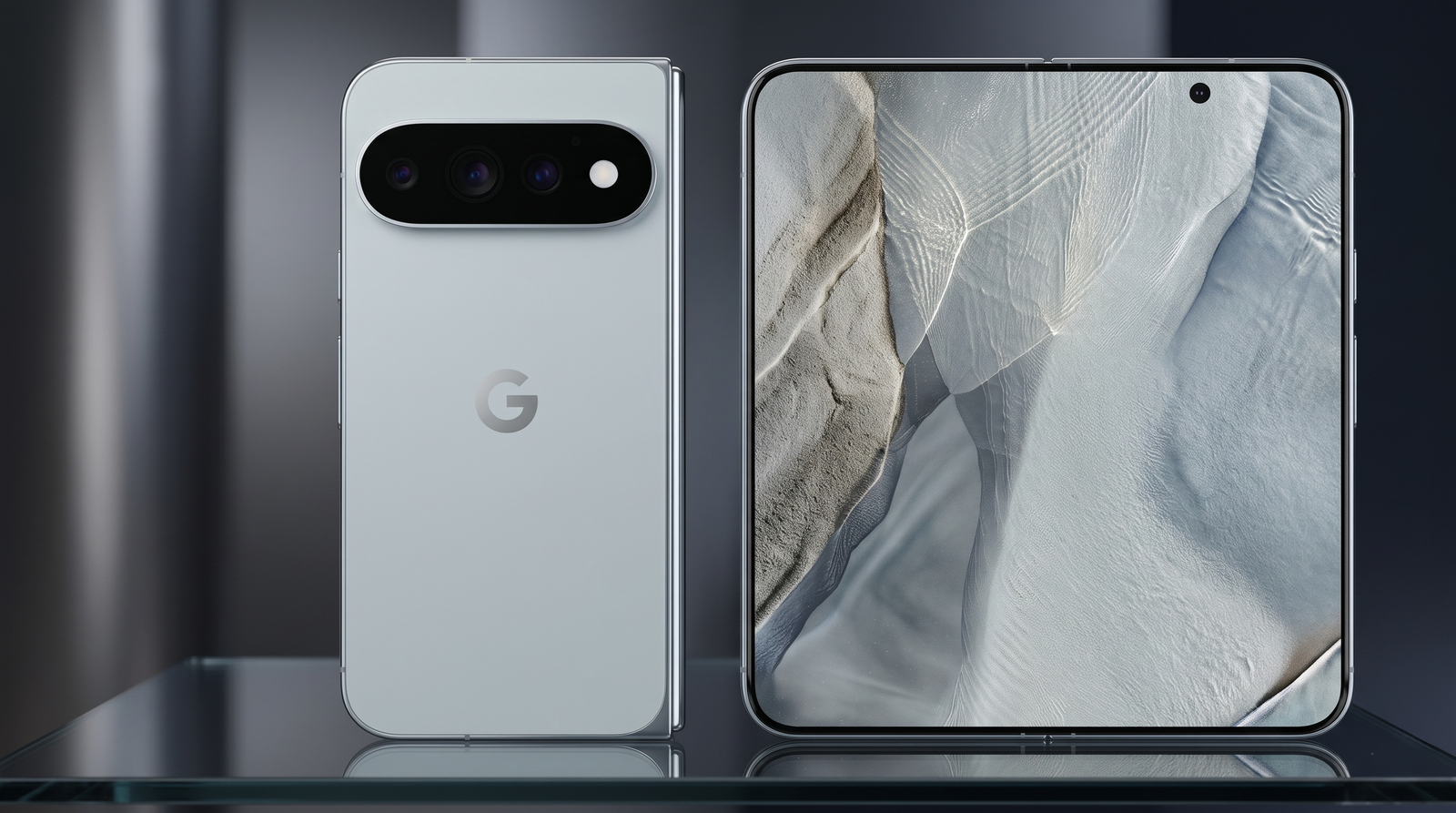
The Galaxy Z Fold 9 is rumored to feature a wider 16:9 inner display utilizing new Wide View OLED technology to seamlessly hide the crease. This expansive, near-creaseless canvas is the ideal environment for Ambient Data Panels to float and interact.
Comparing the Foldable Evolution
| Feature | Galaxy Z Fold 8 (Current) | Galaxy Z Fold 9 (Rumored 2027) |
|---|---|---|
| Operating System | One UI 9 (Android 17) | One UI 10 (Android 18) |
| Interface Style | Standard App Grid / Dock | Contextual Flow / Ambient Panels |
| Processing Power | Snapdragon 8 Elite | Snapdragon 8 Elite Gen 6 |
| Ecosystem Integration | Standard Handoffs | Unified Hardware Surface |
Swipe sideways to see all table columns →
- Galaxy Z Fold 8 (Current)
- One UI 9 (Android 17)
- Galaxy Z Fold 9 (Rumored 2027)
- One UI 10 (Android 18)
- Galaxy Z Fold 8 (Current)
- Standard App Grid / Dock
- Galaxy Z Fold 9 (Rumored 2027)
- Contextual Flow / Ambient Panels
- Galaxy Z Fold 8 (Current)
- Snapdragon 8 Elite
- Galaxy Z Fold 9 (Rumored 2027)
- Snapdragon 8 Elite Gen 6
- Galaxy Z Fold 8 (Current)
- Standard Handoffs
- Galaxy Z Fold 9 (Rumored 2027)
- Unified Hardware Surface
To power this heavy artificial intelligence, the Z Fold 9 is expected to house the Snapdragon 8 Elite Gen 6 processor, providing the vast thermal headroom and neural processing capabilities required to run Contextual Flow algorithms continuously in the background. This level of localized processing ensures that the device can adapt instantly without sending constant queries to external cloud servers, much like the upcoming Google Pixel 12.
A Unified Ecosystem and the Potential Catch
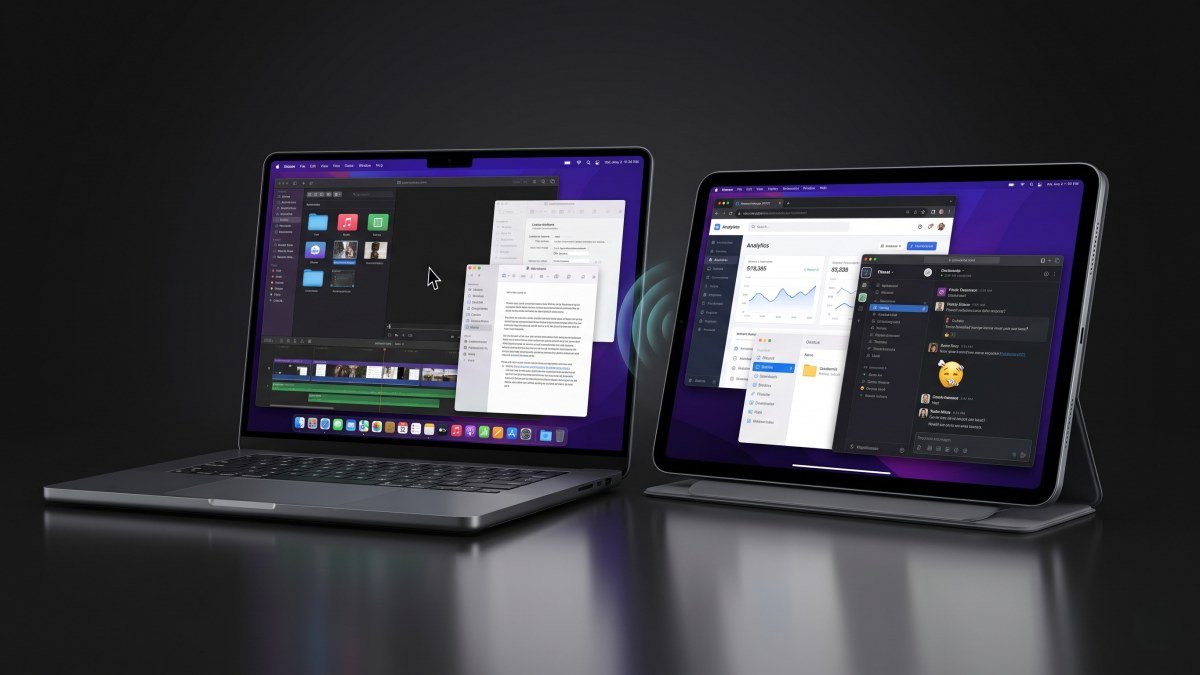
The ambitions for One UI 10 extend far beyond a single folding smartphone. Samsung is reportedly working closely with Google on a redesigned architecture that treats the entire hardware ecosystem as a unified surface.
Cross-device handoffs between your smartphone, Galaxy Tab, and Galaxy Watch are slated to operate under a seamless, hardware-accelerated design language. If you initiate a complex task on your Galaxy Z Fold 9, the contextual flow will theoretically allow you to pick it up instantly on your tablet or smartwatch without needing to manually launch matching applications on those secondary devices. Instead of treating each product separately, One UI 10 is engineered to make the entire ecosystem work as one cohesive intelligence.
However, running this level of persistent, system-wide AI is incredibly expensive from a computational standpoint. Insider reports suggest that Samsung may implement a two-tier model to offset these high computing costs[cite: 1]. While essential daily functions and standard Contextual Flow will likely remain free, specialized third-party integrations and advanced processing tools could potentially be locked behind a paid subscription service[cite: 1].
The Final Verdict
Moving away from the comforting, decade-old familiarity of the standard Android home screen is a monumental gamble for Samsung. If executed poorly, it could alienate long-time users who simply want to tap an icon and open an app. But if Samsung nails the execution, the One UI 10 update could establish the company as the definitive leader in AI-driven mobile productivity.
For tech enthusiasts holding onto devices like the Galaxy S25 Ultra, the wait for late 2027 will be agonizing. But if Ice Universe's leaks hold true, the era of the app silo is finally coming to an end, paving the way for a significantly smarter, more intuitive digital future.