iPhone 18 Pro Max Problems: 3 Critical Defects to Check Before Your Return Window Closes
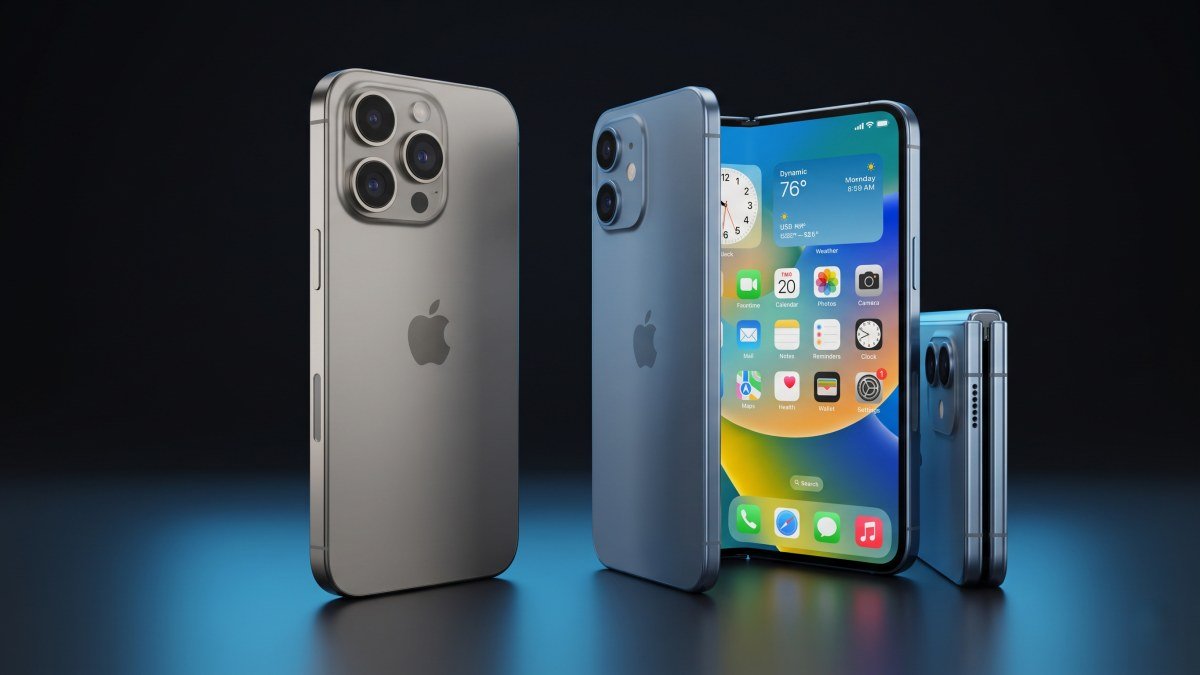
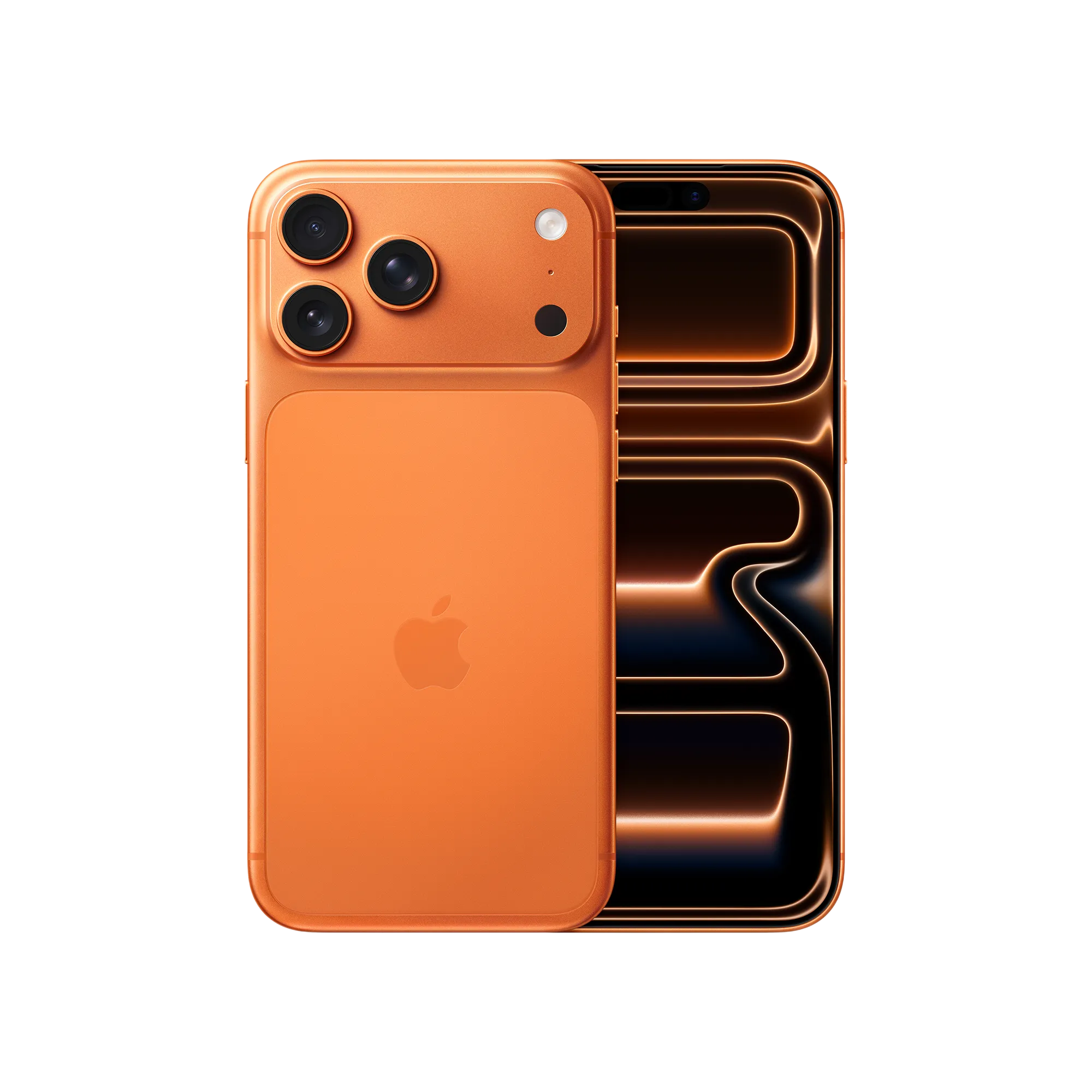
Dropping $1,199 on a brand-new, cutting-edge flagship smartphone comes with the baseline expectation of absolute perfection. Apple’s latest iPhone 18 Pro Max, boasting an incredible A20 Pro chip and a massive edge-to-edge display, is a technological marvel. However, the initial manufacturing batches rolling off the assembly line are currently exhibiting some severe growing pains.
Over the last few weeks, Apple Support forums and Reddit communities have been flooded with early adopters reporting highly disruptive iPhone 18 Pro Max problems. From terrifying random reboots tied to biometric scanning to physical hardware failures in the audio drivers, these are not minor inconveniences—they are critical defects.
Apple enforces a notoriously strict 14-day return and exchange policy in the US. If you wait for a software update that never comes, you will be trapped navigating the Genius Bar repair programme instead of simply walking out with a brand-new, defect-free replacement. If you just unboxed your new device, you need to rigorously test it for these three specific flaws immediately.
1. The iPhone 18 Face ID Restart Bug
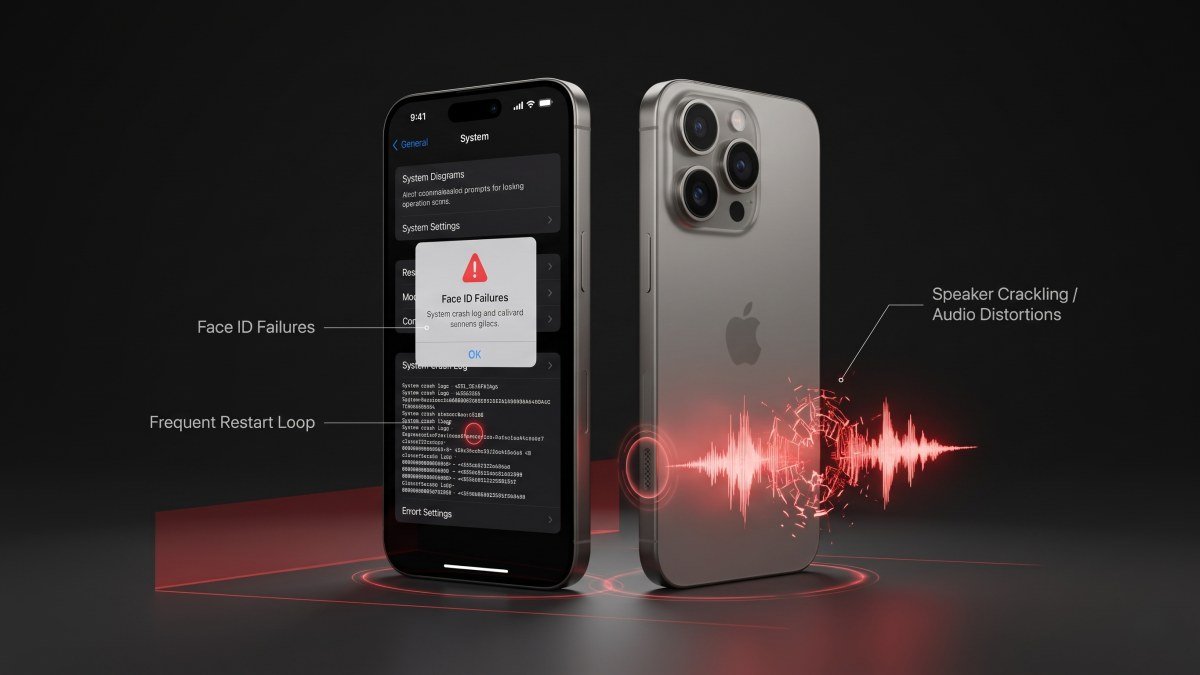
The most alarming issue currently plaguing early buyers is the iPhone 18 Face ID restart bug. Users are reporting that when they raise the phone to unlock it, or when an app attempts to authenticate a banking login via Face ID, the device instantly freezes. A split second later, the screen goes black, the Apple logo appears, and the phone undergoes a "respring" (a soft reboot of the iOS interface).
Why is this happening? Preliminary investigations suggest a conflict between the new under-display TrueDepth sensor array and the iOS 20 security enclave. When the sensor fails to properly categorise a face, a memory leak forces the entire operating system to crash to protect user data.
How to test your unit: Spend 10 minutes rapidly locking and unlocking your device in various lighting conditions (pitch black, bright sunlight, and indoors). Download a free app that requires Face ID authentication and toggle it repeatedly. If your phone reboots even once during this stress test, do not wait for iOS 20.1 to drop. Take it straight back to the shop.
2. Earpiece Speaker Crackling and Popping
Audio distortion is a historical pain point for early iPhone batches, and the 18 Pro Max is unfortunately continuing the trend. Hundreds of users have documented severe iPhone 18 Pro speaker crackling originating from the top earpiece receiver.
This issue does not present itself at lower volumes. However, when the volume is pushed past 80%, users are hearing a distinct, metallic rattling or static "pop." This is particularly noticeable during speakerphone calls, alarm chimes, and when listening to podcasts with heavy vocal bass.
Is it software or hardware? Unlike a software audio balancing glitch, a physical rattle is almost always a hardware defect. It indicates that the speaker membrane is either blown or the adhesive sealing the driver unit inside the titanium chassis was improperly applied at the factory, causing the component to vibrate against the metal frame.
How to test your unit: Open Apple Music or YouTube and play a bass-heavy track or a spoken-word podcast. Turn the volume up to 100% and hold the top earpiece directly up to your ear. If you hear static, distortion, or a physical vibration buzzing against the glass, your hardware is compromised. You must exchange the phone.
3. OLED Display Uniformity (The "Green Tint" Issue)
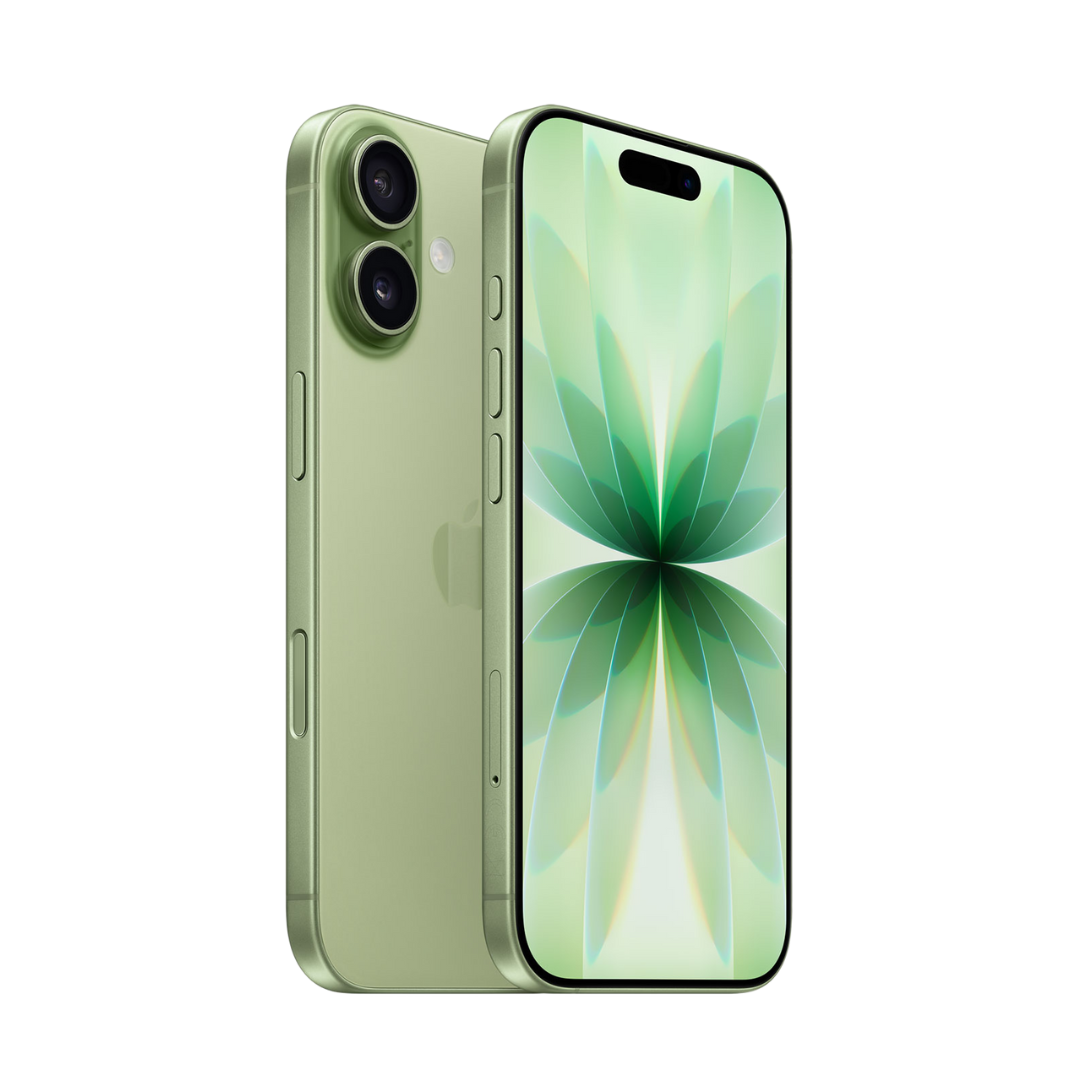
While the iPhone 18 Pro Max features a stunningly bright display, early production runs of OLED panels are notoriously prone to poor colour calibration at low brightness levels. Users are discovering that when using their phones in a pitch-black room, dark grey backgrounds (like the Settings app in Dark Mode) emit a sickly green or uneven pink tint.
How to test your unit: Go into a completely dark room. Turn your phone's brightness down to roughly 10% to 15%. Turn on Dark Mode and open the Settings app or a blank grey image. Carefully inspect the screen for uniformity. If the left side of your screen looks darker than the right, or if the entire panel glows green instead of a pure, inky grey, you have a poorly binned OLED panel.
Action Plan: Return or Wait?
Not all bugs require a frantic trip to the Apple Store. To help you categorise your device's behaviour, here is a breakdown of what warrants an immediate return versus what can be fixed via an over-the-air (OTA) update:
| Reported Defect | Defect Type | Our Recommendation |
|---|---|---|
| Face ID Random Restarts | Likely Hardware/Firmware | RETURN IMMEDIATELY. Do not risk getting stuck with a faulty biometric sensor. |
| Speaker Crackling / Popping | Hardware Manufacturing Flaw | RETURN IMMEDIATELY. Software updates cannot fix a blown or unsealed speaker driver. |
| OLED Green Tint | Hardware (Poor Panel Binning) | EXCHANGE. Apple rarely authorises screen replacements for this later; swap it while you are in the 14-day window. |
| Battery Draining Quickly | Software Indexing | WAIT. It takes 48 to 72 hours for a new iPhone to index your iCloud data. Battery life will normalise within a week. |
Swipe sideways to see all table columns →
- Defect Type
- Likely Hardware/Firmware
- Our Recommendation
- RETURN IMMEDIATELY. Do not risk getting stuck with a faulty biometric sensor.
- Defect Type
- Hardware Manufacturing Flaw
- Our Recommendation
- RETURN IMMEDIATELY. Software updates cannot fix a blown or unsealed speaker driver.
- Defect Type
- Hardware (Poor Panel Binning)
- Our Recommendation
- EXCHANGE. Apple rarely authorises screen replacements for this later; swap it while you are in the 14-day window.
- Defect Type
- Software Indexing
- Our Recommendation
- WAIT. It takes 48 to 72 hours for a new iPhone to index your iCloud data. Battery life will normalise within a week.
The Final Verdict: Do Not Let the Clock Run Out
If you purchased your device directly from Apple, you have exactly 14 calendar days from the date you received the phone to initiate a "no questions asked" return or exchange. If you bought it from a carrier like AT&T or Verizon, their return windows are similar but may involve restocking fees.
Do not fall into the trap of assuming a massive tech corporation will magically fix physical hardware symptoms with a future software patch. If your $1,199 investment is crackling, randomly restarting, or glowing green in the dark, box it back up and demand a flawless replacement before your window slams shut.