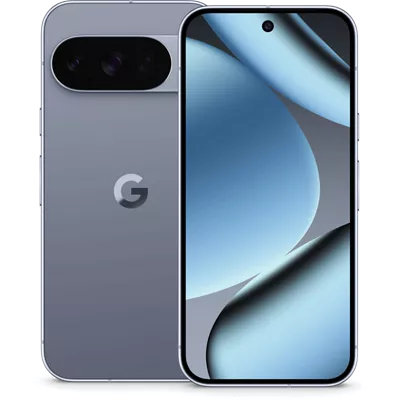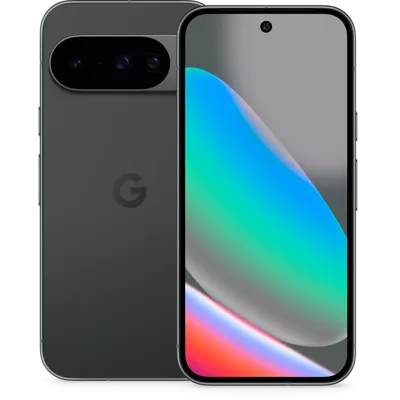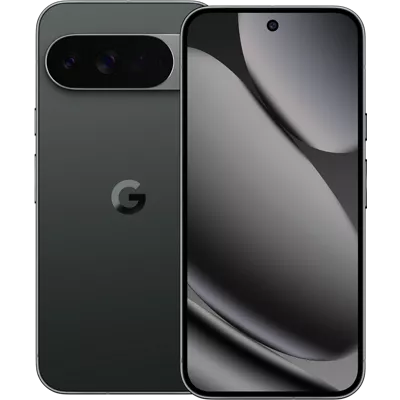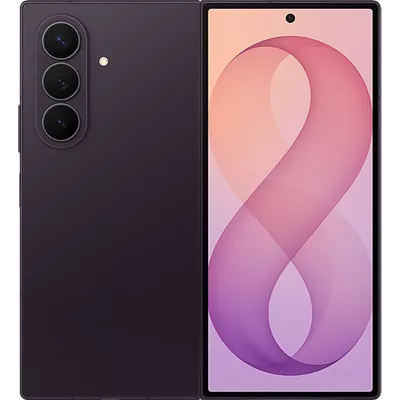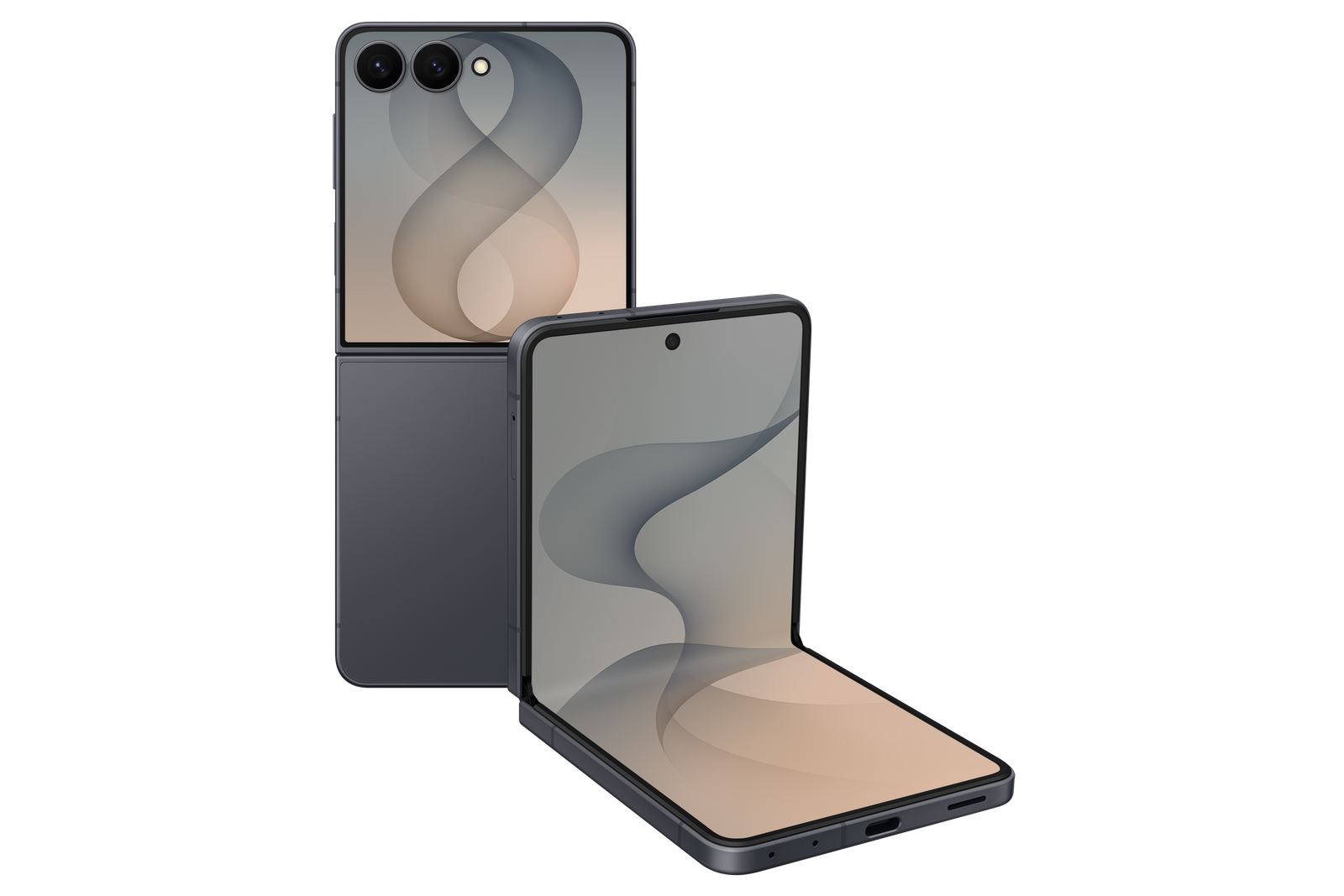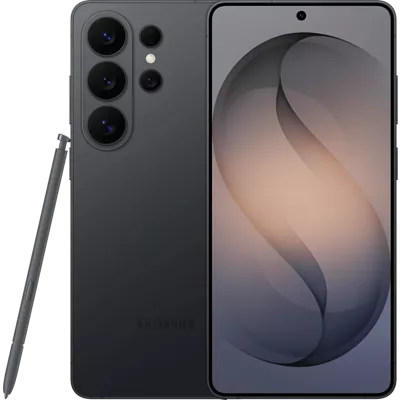
Pixel 12 Camera Leaks: Why the New ISP Will Transform Google’s Night Sight
Smartphone manufacturers have spent the last five years locked in a pointless megapixel war. While slapping a 200MP sensor on the back of a phone looks great on a retail display, it does not fundamentally guarantee better photography. As we approach the highly anticipated 2027 release of the Google Pixel 12, early supply chain leaks indicate that Google is taking a completely different route to maintain its camera dominance. Instead of exclusively overhauling the physical lenses, the company is drastically upgrading the hidden brain behind the glass: the Image Signal Processor (ISP).
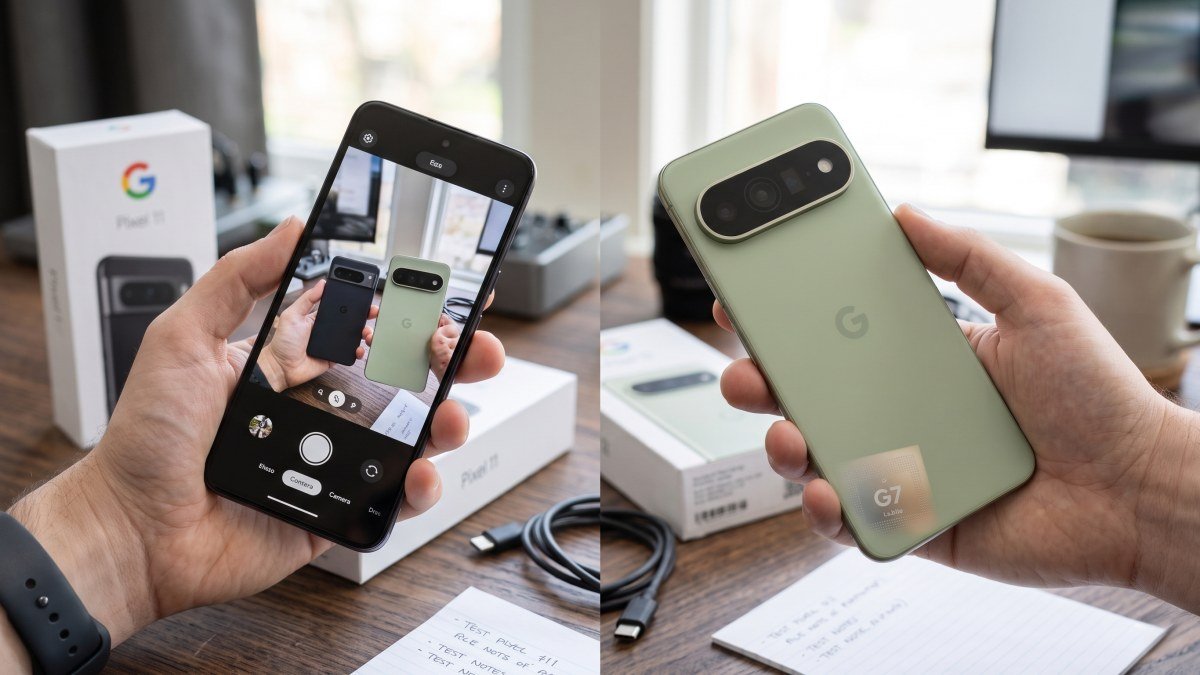
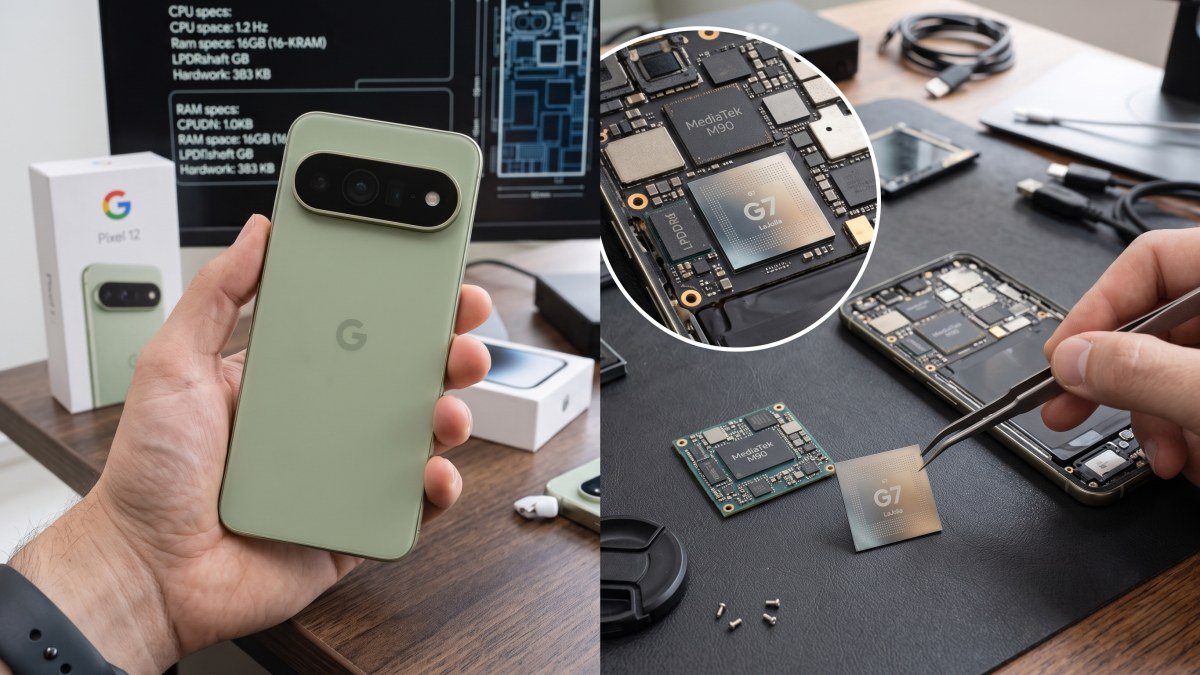
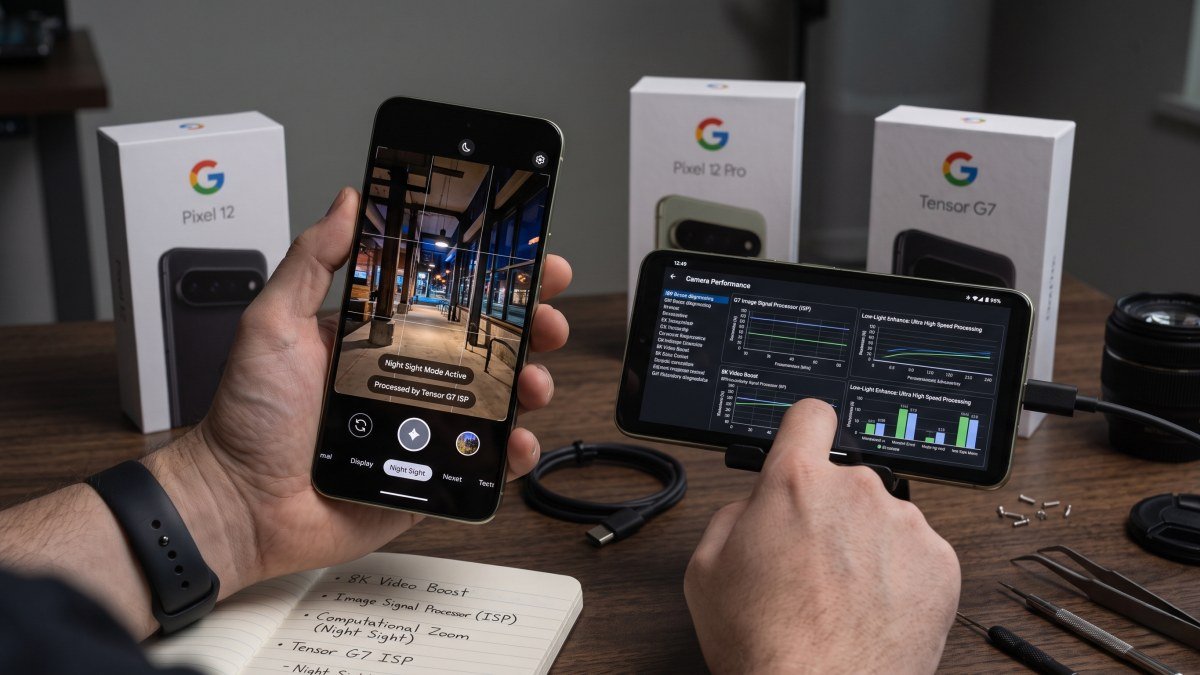
Recent reports confirm that the upcoming Tensor G7 processor, internally codenamed "LaJolla," will feature a thoroughly redesigned ISP built on TSMC’s cutting-edge 2nm manufacturing node. This hardware shift is massive. For mobile photographers relying heavily on Night Sight, cinematic video, or extreme telephoto zoom, this specific upgrade transforms how the smartphone captures the world. The leaked Google Pixel 12 camera upgrades ISP features prove the true future of mobile photography relies on processing speed, not just dense megapixel counts.
What is an Image Signal Processor (ISP)?
To understand the magnitude of this upgrade, you have to understand how a smartphone camera actually functions. When you press the shutter button, the physical camera sensor captures raw, unfiltered light data. In its raw form, this data is essentially a massive spreadsheet of electrical signals. It is the job of the Image Signal Processor to instantly translate those raw signals into a beautiful, color-accurate photograph.
The ISP handles autofocus tracking, white balance correction, exposure metering, and digital noise reduction in real-time. Historically, Google relied on its world-class software algorithms to compensate for slightly older, slower ISP hardware. By moving the Tensor G7 to a 2nm TSMC fabrication process, Google is unlocking an unprecedented level of raw computational horsepower. The new ISP can process vastly more image data per millisecond while consuming significantly less battery power. This hardware bottleneck removal allows Google’s legendary camera software to finally operate without thermal constraints.
Transforming Night Sight: Real-Time Denoising
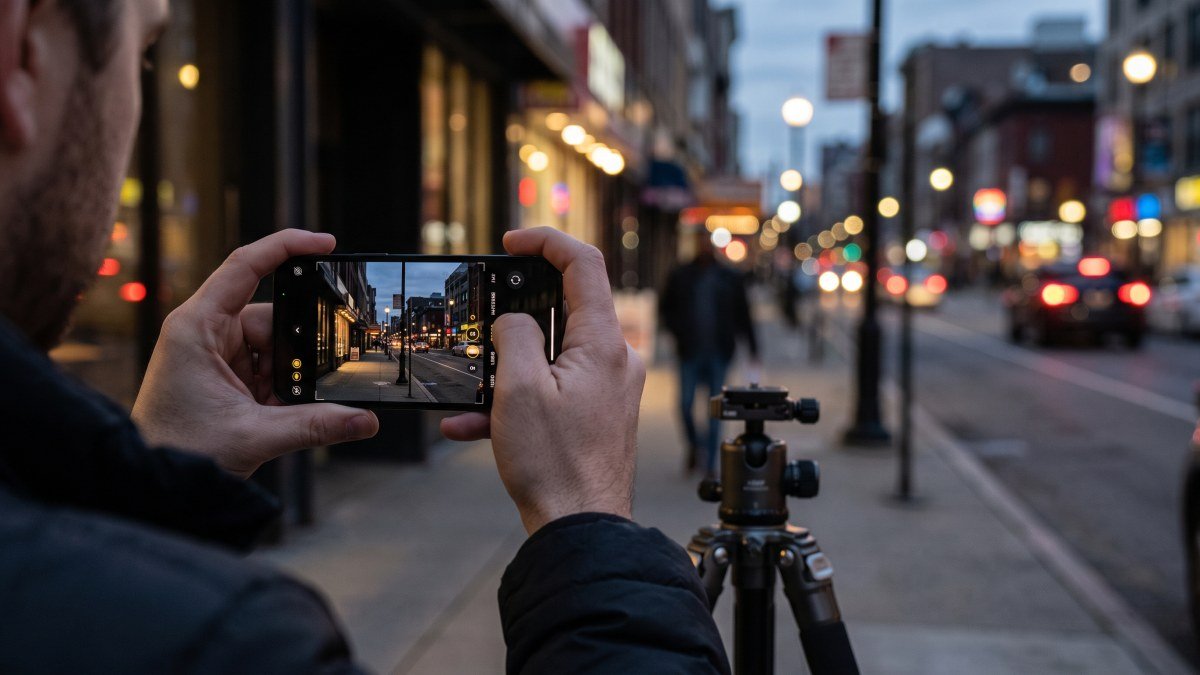
Google revolutionized low-light photography when it originally introduced Night Sight, but the feature has always come with a specific compromise: capture time. In exceptionally dark environments, current Pixel devices require you to hold your hands perfectly still for several seconds while the camera captures and stacks multiple frames.
The upgraded ISP inside the Tensor G7 is engineered to eliminate this waiting period. By processing image data at the hardware level with drastically improved memory bandwidth (thanks to the integration of LPDDR6 RAM), the new ISP performs real-time, hardware-level denoising before the image even reaches the software layer.
This means the Pixel 12 can capture the same stunning, well-lit Night Sight photos using much faster shutter speeds. If you are trying to photograph a moving subject in a dimly lit restaurant or capture a pet running across a dark living room, the faster ISP prevents the motion blur that typically ruins low-light smartphone photography. The hardware physically cleans the signal noise instantly, allowing the software to focus entirely on color accuracy and dynamic range.
8K Video Boost: Moving Processing On-Device
Historically, the Pixel lineup has dominated still photography but lagged noticeably behind Apple’s iPhone in video recording quality. Google attempted to bridge this gap with "Video Boost," a feature that drastically improves dynamic range, stabilization, and low-light noise in recorded videos. However, the current iteration of Video Boost requires you to upload massive video files to Google’s cloud servers, wait hours for processing, and download the finished product back to your phone.
The Tensor G7's new Image Signal Processor completely changes this workflow. Because the 2nm ISP is robust enough to handle intense, frame-by-frame data pipelines without overheating, the Pixel 12 is expected to run Video Boost entirely on-device.
Leaks point to the Pixel 12 supporting 8K Video Boost rendering locally. The ISP will instantly apply HDR+ algorithms to every single frame of a 60fps video locally, delivering cinematic, professionally graded footage straight to your camera roll within seconds of hitting the stop button. By eliminating the cloud processing requirement, Google is finally positioning the Pixel as a true tool for professional mobile videographers.
Computational Zoom: Upgrading the Telephoto Optically
Physical constraints dictate that you cannot fit a massive telephoto lens inside a 9mm-thick smartphone. While the Pixel 12 Pro and Pro XL will retain a dedicated periscope telephoto lens, the real zoom improvements will be entirely computational.
When you zoom past a lens's optical limit (e.g., zooming to 20x or 30x on a 5x optical lens), the camera relies on "Super Res Zoom" to fill in the missing details. The new ISP drastically improves this multi-frame blending process. When you zoom in on a distant subject, the ISP simultaneously captures data from the primary 50MP sensor, the telephoto sensor, and the ultra-wide sensor. It merges these distinct optical perspectives in real-time, utilizing the advanced neural processing unit to reconstruct fine details like text, brickwork, and foliage.
The result is digital zoom that mimics true optical clarity. You get the benefits of a massive 30x telephoto lens without increasing the physical size of the camera bump on the back of the device.
The Handshake: ISP and Gemini Nano
The true power of the Pixel 12 lies in how the Image Signal Processor communicates with the operating system. As detailed in our coverage of the Android 18 Gemini AI features, the entire OS is being built around localized artificial intelligence.
| Feature | Legacy ISP (Tensor G5/G6) | Tensor G7 ISP (TSMC 2nm) |
|---|---|---|
| Low-Light Capture | Requires multi-second still holds | Hardware denoising enables rapid shutter |
| Video Boost | Cloud-dependent, delayed processing | On-device real-time rendering |
| AI Integration | Post-processing software edits | Live viewfinder AI tracking and edits |
| Thermal Profile | Prone to overheating during 4K recording | Ultra-efficient continuous 8K capture |
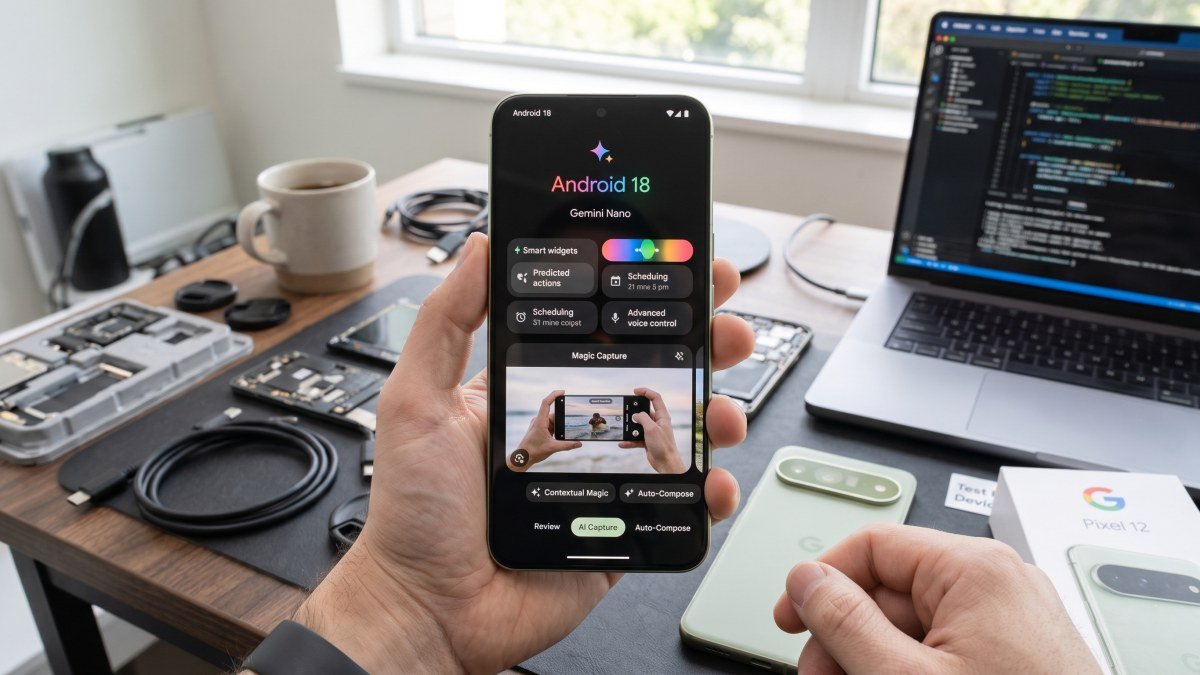
The upgraded ISP feeds perfectly clean, noise-free visual data directly to the Gemini Nano model running locally on the device. This clean data intake allows the AI to perform advanced features like "Smarter Magic Capture"—blurring out distracting background elements or automatically adjusting exposure on specific faces directly in the live viewfinder, before you even take the photo. If you are interested in the broader hardware platform driving this system, check out our breakdown of the Tensor G7 specs and MediaTek modem integration.
The Final Verdict: Processing is the New Glass
For US consumers tired of blurry photos, noisy low-light video, and delayed cloud processing, the Pixel 12's camera architecture offers a massive leap forward. By moving away from the megapixel race and investing heavily in the TSMC 2nm Image Signal Processor, Google is ensuring that its camera hardware finally matches the ambition of its world-renowned photography software. The Pixel 12 is shaping up to be an absolute powerhouse for creators, proving that the most important camera component in 2027 is the silicon processor sitting beneath the glass.