Fitbit Air Review: Why This Screen-Free Fitness Tracker is the Best Wearable of 2026
In 2026, we are living in an era defined by inescapable hyper-connectivity. From the moment we wake up to the second we close our eyes, glowing screens demand our attention. For the past decade, the wearable tech industry has heavily leaned into this trend, transforming our wrists into secondary smartphones that constantly ping, vibrate, and flash with incoming emails, social media alerts, and news updates. But a massive cultural shift is happening across the United States: screen fatigue is real, and consumers are actively seeking a digital detox.
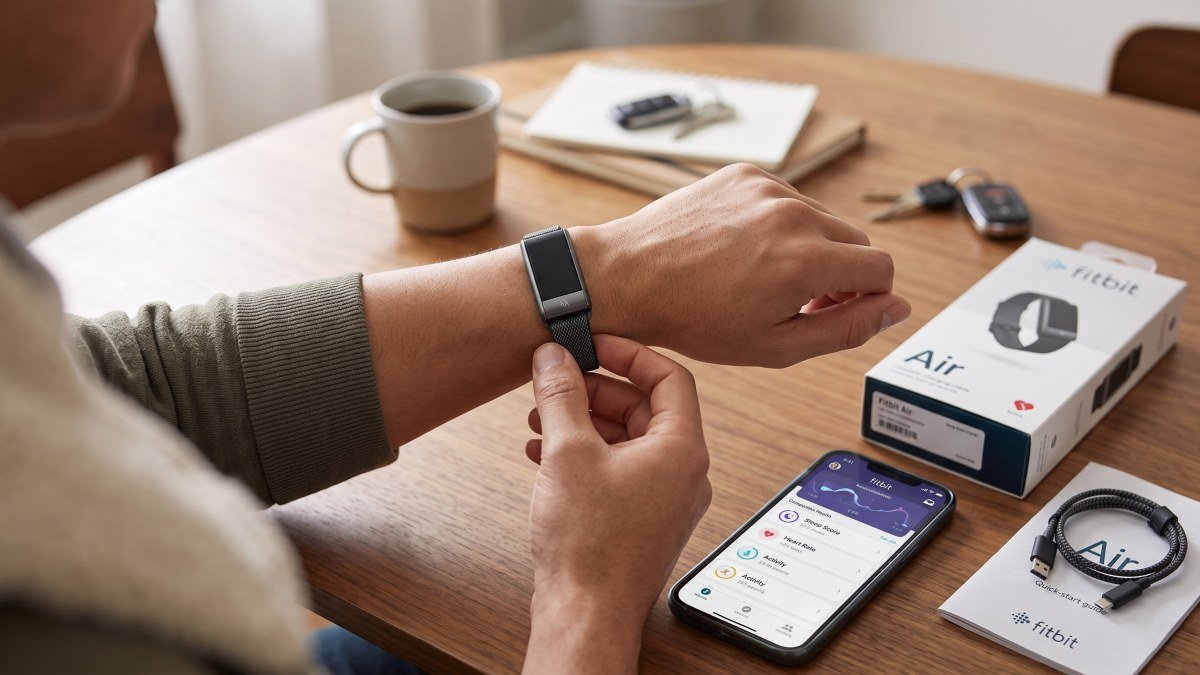
Enter the Fitbit Air. Google-owned Fitbit has taken a radical step backward to move the industry forward. The Fitbit Air is a completely screen-free fitness tracker designed to invisibly monitor your heart health, sleep stages, and workout metrics without ever distracting you from the present moment. Priced incredibly aggressively at just $99, this minimalist band is challenging heavyweights like the Apple Watch Series 12 and the Google Pixel Watch 5 by offering exactly what modern users actually want: silent, invisible health tracking.
In this comprehensive Fitbit Air screen-free fitness tracker review, we will dive deep into its minimalist design, its robust health-tracking sensors, the psychological benefits of removing a screen from your wrist, and why this affordable device is arguably the most important wearable release of 2026.
The Screen Fatigue Epidemic: Why Less is More
Before diving into the hardware, it is crucial to understand the market context of 2026. A recent industry report by Tom's Guide highlighted a fascinating trend: US buyers are aggressively searching for smartwatches and fitness trackers that do not look or act like traditional smartphones. The mental toll of "phantom vibration syndrome"—the anxiety-inducing feeling that you just received a notification—is driving consumers away from ultra-connected devices.
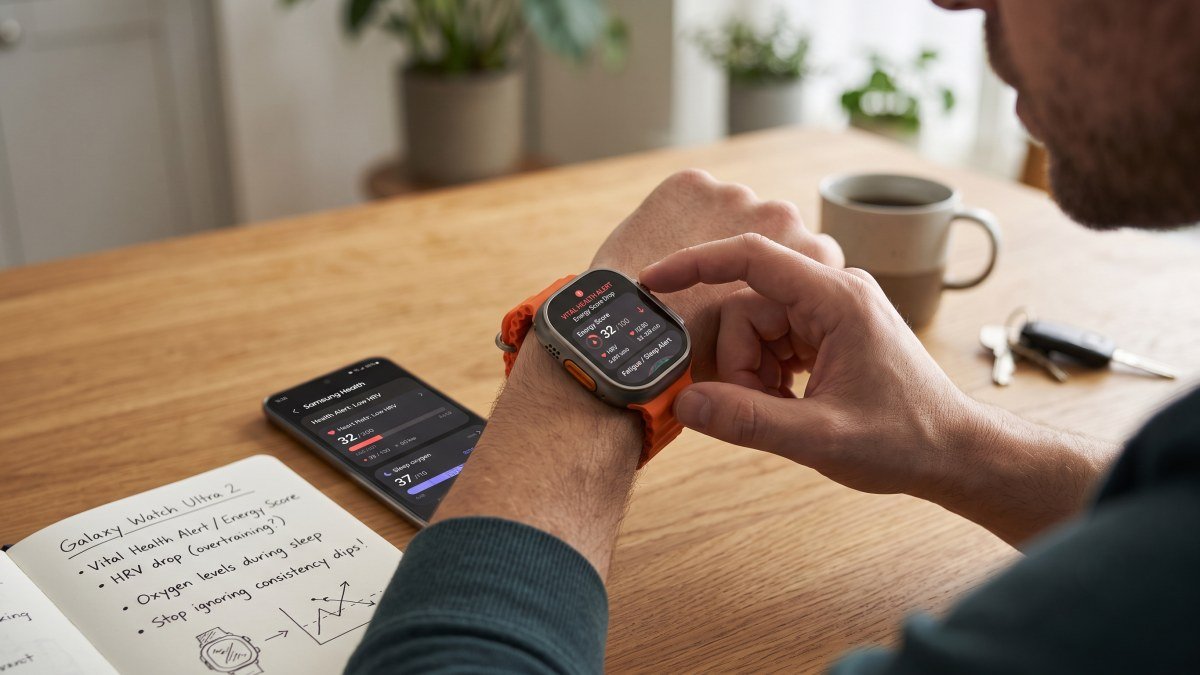
We are experiencing absolute flagship fatigue. While devices like the Samsung Galaxy Watch Ultra 2 offer incredible cellular connectivity and brilliant OLED screens, they also tether you to your digital life 24/7. The Fitbit Air strips all of that away. There are no text messages to read on your wrist, no incoming phone calls to decline, and no bright screens waking you up in the middle of the night. It is a purposeful return to pure health tracking, allowing you to engage with your physical world while still gathering vital biometric data in the background.
Design and Build Quality: The Invisible Wearable
Because it lacks a display, the Fitbit Air does not look like a piece of consumer electronics. Instead, it resembles a high-end woven bracelet or a premium piece of minimalist jewelry. The central tracking module is incredibly small, housed in a lightweight brushed aluminum casing that sits flush against your skin.
Here are the standout design elements of the Fitbit Air:
- Zero-Screen Interface: The top of the tracker features a smooth, matte finish with a single, subtle, multi-color LED indicator. This LED only activates to show charging status or to confirm that a manual workout sync has been initiated.
- Ultra-Lightweight Comfort: Weighing in at just 14 grams (without the band), the Fitbit Air is virtually unnoticeable. This makes it the absolute perfect wearable for 24/7 use, completely eliminating the bulky discomfort often associated with wearing a smartwatch to bed.
- Interchangeable Bands: Fitbit offers a variety of bands, including breathable woven nylon for everyday wear, perforated liquid silicone for intense workouts, and genuine leather for formal occasions.
- Swimproof Durability: With a 5ATM water resistance rating, the Air is designed to survive sweaty workouts, daily showers, and deep-water swimming without skipping a beat.
Health and Fitness Tracking: Silent but Deadly Accurate
Do not let the lack of a screen fool you into thinking the Fitbit Air is a primitive pedometer. Underneath the brushed aluminum casing lies a highly sophisticated sensor array powered by Google's latest health algorithms.
The Fitbit Air provides continuous, 24/7 optical heart rate monitoring, tracking your resting heart rate (RHR) and heart rate variability (HRV) with clinical-level precision. It also features a built-in SpO2 sensor to monitor your blood oxygen saturation while you sleep, which is a critical metric for detecting early signs of sleep apnea or respiratory distress.
When it comes to working out, the device relies on SmartTrack Auto-Detection. You do not need to press a button or tap a screen to start a run, bike ride, or elliptical session. As soon as you begin moving, the 6-axis accelerometer recognizes the kinetic patterns and automatically logs the activity. By the time you sit down and open the Fitbit app on your phone, your entire workout—including active zone minutes, calories burned, and peak heart rate zones—is perfectly cataloged.
By the Numbers: Fitbit Air vs Traditional Smartwatches
To truly highlight why the $99 Fitbit Air is such a disruptive force in the wearable market, let's compare it directly to a premium, screen-heavy smartwatch.
| Feature Category | Fitbit Air ($99) | Typical Premium Smartwatch ($399+) |
|---|---|---|
| Display Type | None (Single LED Indicator) | Always-On OLED / AMOLED |
| Battery Life | Up to 14 Days | 18 to 36 Hours |
| Distraction Level | Zero Notifications / Silent | High (Calls, Texts, App Alerts) |
| Sleep Tracking Comfort | Exceptional (Ultra-light, no glow) | Moderate (Bulky, accidental screen wakes) |
| Health Sensors | Heart Rate, SpO2, Accelerometer | ECG, Heart Rate, SpO2, GPS |
The Battery Life Revolution: Two Weeks of Freedom
Perhaps the most universally praised feature of the Fitbit Air is its battery life. The number one drain on any modern smartwatch is illuminating a high-resolution OLED display and maintaining a constant Bluetooth connection to funnel notifications from your phone.
By eliminating the screen and batch-syncing your health data only when you open the mobile app, the Fitbit Air boasts a staggering 14-day battery life on a single charge. This fundamentally changes how you interact with the device. You no longer have to suffer through daily charging anxiety or meticulously plan when to take your watch off. You can go on a two-week vacation, track every step and every night of sleep, and completely leave the proprietary magnetic charger at home.
When it finally does need juice, the device supports rapid charging, going from zero to a full two-week charge in just under 45 minutes.
The App Experience: Where the Magic Happens
Since the physical band acts solely as a silent data collector, the entire user experience is offloaded to the newly redesigned Fitbit app (now deeply integrated with Google Fit). This is where your digital detox pays off.
Instead of glancing at your wrist constantly throughout the day, you consciously choose when you want to engage with your health data. Opening the app reveals a beautifully visualized dashboard showing your Daily Readiness Score, sleep architecture (light, deep, and REM stages), and cardiovascular trends. The app uses Google's Gemini AI to provide personalized, actionable insights—such as suggesting a lighter workout if your HRV is low or advising an earlier bedtime based on your recent sleep debt.
The Final Verdict: Is the Fitbit Air Worth It?
The Fitbit Air is not for everyone. If you rely on your wrist to dictate text messages, pay for groceries via NFC, or navigate city streets with standalone GPS, you will undoubtedly find this device limiting. You are better off exploring our guide on the Google Pixel Watch 5 specifications.
However, if you are exhausted by the constant demands of digital notifications and simply want a reliable, comfortable, and highly accurate health tracker, the Fitbit Air is a masterpiece. For just $99, it provides peace of mind, incredible battery life, and the most comfortable sleep-tracking experience on the market. In a world obsessed with screens, the Fitbit Air proves that sometimes, the best technology is the kind you forget you are even wearing.